
Apparel Industry News: Breaking Trends, Innovations & Market Insights for 2025
Navigating the Future of Fashion: 10 Defining Trends Reshaping the Global Apparel Industry in 2025

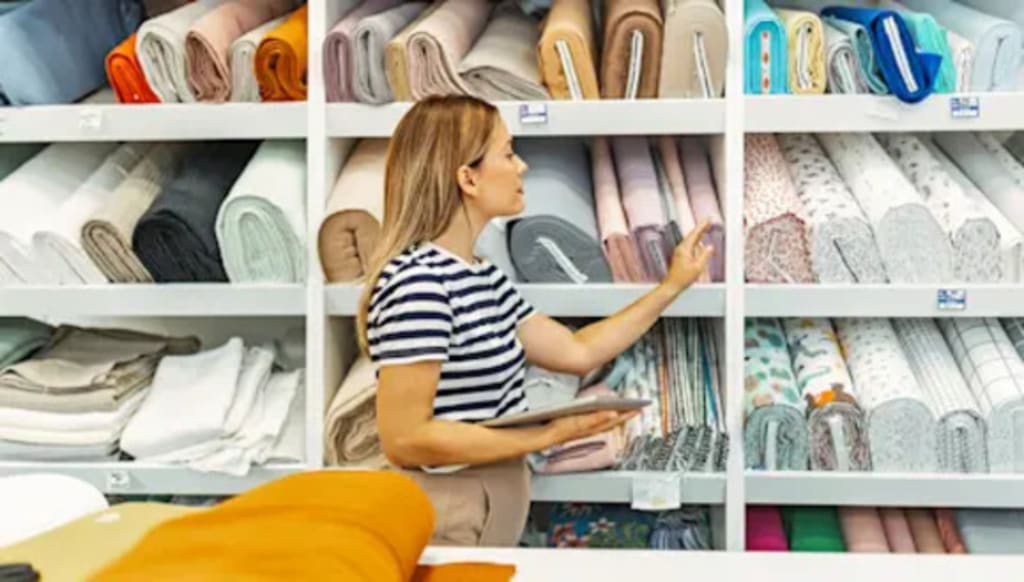
As the global apparel industry steps into 2025, it faces one of the most dynamic periods in its history. Driven by rapid technological innovation, shifting consumer behaviour, sustainability demands, and the rise of digital fashion, the industry is undergoing profound change. Fashion is no longer just about aesthetics—it’s about ethics, experience, and efficiency. This comprehensive update offers key insights into the most influential trends, innovations, and market movements shaping the global apparel landscape in 2025.
1. Smart Fashion: The Fusion of Technology and Apparel
One of the most ground breaking trends in 2025 is the rise of smart textiles and wearable technology. From biometric tracking garments to temperature-regulating fabrics, tech-integrated apparel is becoming mainstream. Brands are introducing clothing that syncs with mobile apps, tracks fitness and posture, or even adjusts fabric properties based on external conditions.
Additionally, nanotechnology is playing a role in creating self-cleaning and stain-resistant fabrics, reducing water and detergent usage. With tech giants collaborating with fashion houses, the lines between wearables and daily fashion are increasingly blurred.
2. AI-Driven Design and Production Efficiency
Artificial intelligence continues to disrupt traditional fashion workflows. In 2025, many brands are leveraging AI tools for trend forecasting, customer behaviour analysis, and product development. AI-driven design platforms generate thousands of design variations based on consumer preferences and sales data, enabling faster product launches with less guesswork.
Moreover, AI is optimizing supply chains by forecasting demand, reducing overproduction, and managing inventory with greater accuracy. Brands adopting these tools report not only cost savings but also substantial reductions in carbon footprints.
3. Sustainability at the Core of Brand Strategy
Sustainability is not just a buzzword anymore—it's a business imperative. In 2025, brands that fail to adopt environmentally responsible practices risk losing relevance. Sustainable sourcing, low-impact dyes, waterless denim production, and biodegradable packaging are now standard expectations.
More companies are adopting a circular economy model—focusing on durability, reparability, and recyclability. Resale platforms, rental services, and product take-back schemes are thriving. Additionally, carbon labeling and environmental impact scores are helping consumers make more informed, eco-friendly purchasing decisions.
4. Digital Fashion and the Rise of the Metaverse
Digital fashion is revolutionizing the way consumers engage with apparel. In 2025, many brands are releasing exclusive digital-only collections for use in virtual worlds and gaming platforms. NFTs (non-fungible tokens) and blockchain-backed garments have become digital assets that can be worn by avatars or traded online.
From fashion shows in the metaverse to virtual fitting rooms using AR and VR, the digital experience is reshaping customer journeys. Forward-thinking brands are investing in 3D modelling, augmented reality apps, and digital twins of their products for immersive engagement.
5. The Resurgence of Local and On-Demand Manufacturing
The pandemic-induced supply chain disruptions of previous years have permanently changed how companies think about production. In 2025, many apparel brands are reshoring operations or investing in micro factories closer to consumer markets.
On-demand manufacturing is booming. With technologies like 3D knitting, laser cutting, and automated sewing, garments can be produced quickly, locally, and with minimal waste. This approach reduces overproduction, shortens lead times, and aligns with the growing consumer demand for customization and transparency.
6. Inclusivity and Hyper-Personalization in Fashion
Consumers in 2025 expect brands to embrace inclusivity—not just in size ranges, but in ethnicity, gender identity, body type, and disability access. Brands are broadening their offerings and marketing strategies to reflect real-world diversity and drive social impact.
At the same time, personalization is being taken to new heights. AI and machine learning are used to provide personalized style suggestions, body-scanning for perfect fits, and curated shopping experiences. The ability to customize everything—from colour ways to slogans—has become a key differentiator.
7. Market Dynamics and Consumer Behaviour Shifts
The global apparel market in 2025 is characterized by fragmentation and specialization. While fast fashion remains relevant in some regions, there is a clear shift toward quality, transparency, and brand authenticity. Consumers are more informed, conscious, and digitally savvy.
Emerging markets in Asia, Africa, and Latin America are driving growth, while Western markets focus on sustainability and innovation. Gen Z and Gen Alpha are leading the charge with value-driven purchasing, preferring brands that stand for something—whether it's climate action, social justice, or ethical labour.
8. E-commerce Evolution and Omnichannel Integration
The post-pandemic surge in online shopping has stabilized into a robust digital ecosystem. In 2025, brands are expected to provide seamless omnichannel experiences that integrate physical and digital touchpoints. Virtual fitting rooms, same-day delivery, AI chatbots, and in-store mobile checkout have become common.
Live shopping, influencer collaborations, and shoppable videos are redefining e-commerce. Meanwhile, physical stores are transforming into experience canters with interactive displays, tech-assisted styling, and minimal inventory—serving more as brand ambassadors than sales outlets.
9. Data Privacy and Ethical AI Use
With greater digitization comes greater scrutiny. In 2025, consumers and regulators are increasingly focused on how brands collect, store, and use data. The ethical use of AI and protection of consumer privacy are critical concerns.
Apparel brands are adopting transparent data policies, offering opt-in personalization, and ensuring algorithmic fairness. Building digital trust is now a cornerstone of brand strategy.
10. Investment, Mergers, and Innovation Hubs
Venture capital is flowing into fashion tech, sustainability start-up's, and next-gen textile companies. Innovation hubs across Europe, the U.S., and Asia are fostering collaboration between designers, engineers, and entrepreneurs.
Mergers and acquisitions are reshaping the competitive landscape, as traditional retailers seek to acquire agile digital brands and direct-to-consumer platforms. Strategic partnerships between fashion and tech are accelerating innovation cycles and market expansion.
Conclusion: A Bold New Era for Fashion
The apparel industry in 2025 is a reflection of its time—tech-forward, value-conscious, inclusive, and ever-evolving. The brands that succeed in this environment are those that embrace change, invest in innovation, and connect authentically with their audiences.
From AI-powered design to metaverse fashion shows, the lines between physical and digital, fashion and function, ethics and aesthetics are being redrawn. This year’s trends and innovations aren’t just shaping garments—they’re redefining the very fabric of the industry itself.
Whether you’re a retailer, designer, manufacturer, or consumer, staying informed on these developments is essential. The future of fashion is here—and it’s smarter, greener, and more connected than ever before.
About the Creator
textilenews
publisher
Keep reading
More stories from textilenews and writers in Styled and other communities.
Challenges Facing the Global Garment Industry Today: Navigating a Complex and Evolving Landscape
The global garment industry is one of the most dynamic and diverse sectors in the world, employing millions and generating billions in revenue. However, it is also one of the most challenged, facing a multitude of issues that range from environmental concerns to labour disputes, supply chain disruptions, and rapidly changing consumer behaviour. As brands and manufacturers strive to stay competitive in an increasingly demanding global market, they must confront and overcome these pressing challenges.
By textilenews9 months ago in Styled
Why Do Burmese Curly Bob Wigs Get A Hit?
Let me holler at my sistas real quick: If you’ve been in the wig game for a minute, you know not all units are created equal. I’ve cycled through synthetic wigs that tangled after two wears, Brazilian hair that shed like crazy, and lace fronts that gave me a headache from all the glue. But then I tried a Burmese curly bob wig—and honey, it was a game-changer. These days, every time I link up with my girls, half of us are rocking Burmese curly wig styles, and for good reason. Let’s break down why so many of us are obsessed with Burmese curly bob wigs, straight from someone who’s made them my go-to for work, dates, and everything in between.
By manman zhai7 days ago in Styled
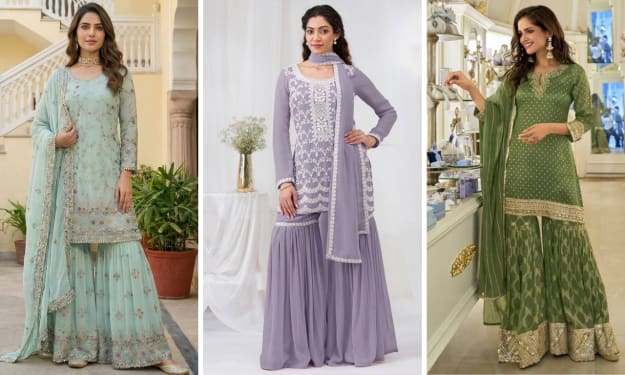
Eid Dressing Made Easy: Sharara Suits That Feel Light All Day
Eid is a long, beautiful day. From morning prayers and family visits to afternoon meals and evening gatherings, you’re on your feet, moving around, meeting people, and celebrating. That’s why, in 2026, women are choosing outfits that don’t just look festive, they feel easy from morning to night. And that’s exactly where sharara suits come in.
By Amit Mandal6 days ago in Styled



Comments
There are no comments for this story
Be the first to respond and start the conversation.