
Challenges Facing the Global Garment Industry Today: Navigating a Complex and Evolving Landscape
Navigating the Fabric of Change: Key Challenges and Emerging Opportunities in the Global Garment Industry

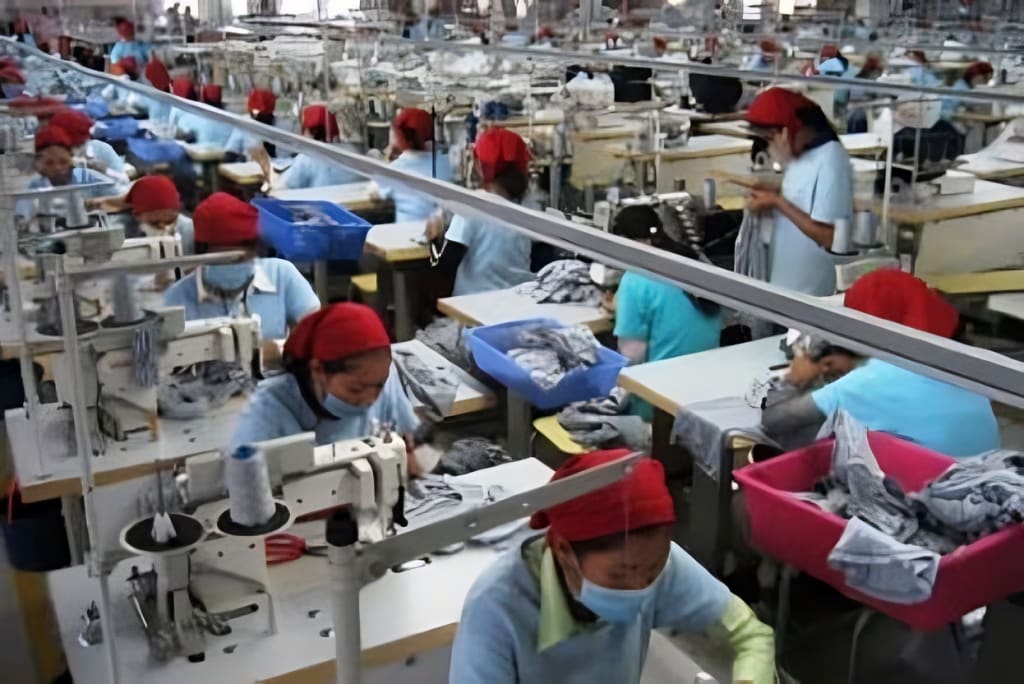
The global garment industry is one of the most dynamic and diverse sectors in the world, employing millions and generating billions in revenue. However, it is also one of the most challenged, facing a multitude of issues that range from environmental concerns to labour disputes, supply chain disruptions, and rapidly changing consumer behaviour. As brands and manufacturers strive to stay competitive in an increasingly demanding global market, they must confront and overcome these pressing challenges.
Below are the top challenges currently facing the global garment industry:
1. Supply Chain Disruptions and Instability
One of the most significant challenges in the garment industry today is the instability of global supply chains. Events such as the COVID-19 pandemic, geopolitical tensions, shipping bottlenecks, and natural disasters have exposed the fragility of international supply routes. Delays in sourcing raw materials, production halts, and transport backlogs have led to inventory shortages and increased operational costs.
Brands are now seeking to diversify their supplier base, invest in nearshoring or reshoring strategies, and improve real-time tracking technologies to gain more control over their supply chains.
2. Environmental Sustainability and Climate Impact
The garment industry is under intense scrutiny for its environmental footprint. From water pollution due to dyeing processes to high levels of carbon emissions and textile waste, fashion has long been associated with environmental degradation.
Consumers, governments, and environmental organizations are demanding accountability. Brands are now being pushed to adopt sustainable materials, reduce water usage, manage waste better, and lower their carbon footprint. Transitioning to a sustainable model, however, requires major investments, innovation, and long-term commitment, which not all companies are equipped to handle.
3. Labour Rights and Ethical Manufacturing
Despite decades of discussion around fair labour practices, the garment industry still struggles with issues such as low wages, poor working conditions, and labour exploitation—especially in developing countries. Factory workers, many of whom are women, often operate in unsafe environments for minimal pay.
Brands face growing pressure to ensure ethical sourcing and fair labour standards in their supply chains. Consumers are demanding transparency, and watchdog organizations are holding companies accountable for violations. The cost of ethical production can be higher, but the reputational risk of neglecting labour rights is even greater.
4. Fast Fashion vs. Sustainability
Fast fashion has created a paradox in the industry. While it offers affordability and variety to consumers, it also contributes significantly to overproduction, waste, and environmental harm. The growing popularity of fast fashion conflicts with the sustainability movement, putting brands in a difficult position.
Companies must find a balance between meeting consumer demands for trend-driven apparel and promoting responsible consumption. This challenge is particularly tough for smaller brands that may lack the resources to scale sustainable practices while remaining price-competitive.
5. Technological Adaptation and Digital Transformation
The digital revolution has reshaped how garments are designed, produced, marketed, and sold. E-commerce, virtual try-ons, AI-powered trend forecasting, and automated manufacturing are rapidly becoming standard. However, not all companies have adapted at the same pace.
Small and mid-sized manufacturers, especially in developing countries, often lack access to advanced technologies or training. The digital divide creates a competitive gap and leaves certain players vulnerable to becoming obsolete unless they quickly embrace innovation.
6. Changing Consumer Behaviour and Expectations
Today’s consumers are more informed, socially aware, and digitally savvy. They expect more from brands—quality, value, transparency, and ethics. The demand for personalized experiences, on-demand fashion, and inclusive sizing is changing the market landscape.
Garment companies must adapt by integrating customer feedback, offering customization options, and enhancing their online and in-store experience. Keeping up with fast-changing trends while maintaining brand identity and values remains a key challenge.
7. Rising Production Costs and Price Pressures
Inflation, increased labour wages, energy costs, and rising prices for raw materials are squeezing profit margins across the garment sector. While customers expect low prices due to fast fashion trends, the costs of ethical production and sustainable materials are often significantly higher.
This tension between affordability and responsibility makes it difficult for brands to strike a balance. Manufacturers, in particular, face intense pressure from buyers to reduce costs, often at the expense of fair wages and quality standards.
8. Regulatory Compliance and Trade Barriers
The garment industry operates in a heavily globalized environment, with regulations varying drastically from country to country. Compliance with labour laws, environmental standards, import/export duties, and labelling requirements can be overwhelming for international brands.
In addition, trade barriers, tariffs, and shifting trade agreements (like Brexit or U.S.-China trade tensions) can create uncertainties that disrupt planning and pricing. Navigating this complex regulatory landscape requires legal expertise, robust systems, and adaptive supply strategies.
9. Counterfeiting and Brand Protection
Counterfeit goods are a growing problem, especially for well-known apparel brands. Imitation products not only hurt revenues but also damage brand reputation and undermine consumer trust. Online marketplaces and social media make it easier than ever for counterfeiters to reach a global audience.
To combat this, companies are investing in authentication technology such as QR codes, blockchain tracking, and digital certificates, but staying ahead of counterfeiters remains an ongoing battle.
10. Inclusion, Diversity, and Cultural Sensitivity
In the age of social media and global consciousness, consumers expect brands to reflect diversity, equity, and inclusion in their marketing, workforce, and product offerings. Missteps—such as culturally insensitive designs or lack of representation—can quickly lead to backlash.
Creating truly inclusive fashion means understanding diverse body types, cultures, and identities. This requires genuine effort and organizational change, not just surface-level campaigns.
Conclusion
The global garment industry stands at a crossroads. Faced with environmental, economic, technological, and social pressures, brands and manufacturers must evolve or risk being left behind. While these challenges are formidable, they also present opportunities for innovation, leadership, and meaningful impact.
The future of the garment industry will be shaped by those who can navigate these complexities with agility, integrity, and a forward-thinking mindset. As sustainability, technology, and ethical practices become central to business success, the companies that rise to these challenges will help define a more responsible and resilient fashion industry.
About the Creator
textilenews
publisher
Keep reading
More stories from textilenews and writers in Styled and other communities.
Top 5 Clothing Industry Trends To Watch This Year
The clothing industry is one of the fastest-evolving sectors, influenced by consumer behaviour, technological advancements, environmental concerns, and global market shifts. With fashion becoming more digitized, sustainable, and personalized, brands must stay agile to adapt to new demands. From innovative production processes to cultural changes in consumer expectations, this year promises to be transformative. In this comprehensive guide, we’ll explore the Top 5 Clothing Industry Trends to Watch This Year, providing insights into what's driving them and how they’re reshaping the future of fashion.
By textilenews9 months ago in Styled
Toi Et Moi Ring Guide - Meaning, Celebrities & Diamond Styles
Toi et Moi Ring: The Most Romantic Engagement Ring of Our Time Love stories aren’t one-dimensional. Every relationship is built on two unique people, two paths, and one shared future. That’s exactly why the Toi et Moi ring has captured hearts across the world.
By KRK JEWELS5 days ago in Styled


Comments
There are no comments for this story
Be the first to respond and start the conversation.