
Garment Industry Prepares for a Digital-First Future: Embracing Innovation Across the Value Chain
Reimagining Fashion: Embracing Digital Transformation for a Smarter, Faster, and More Sustainable Garment Industry

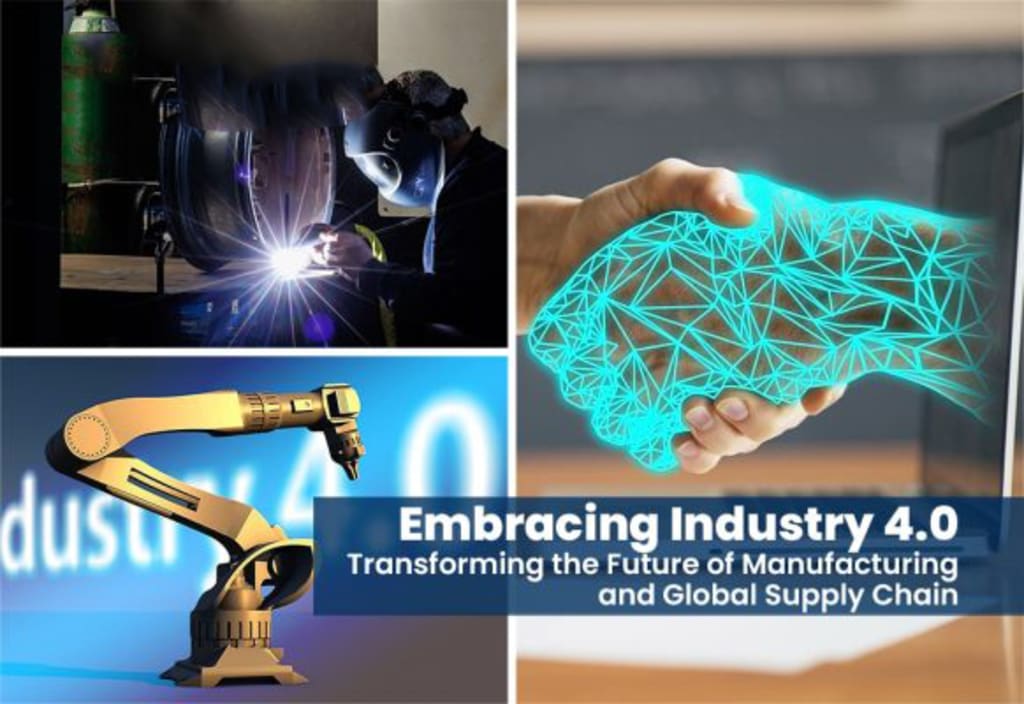
The garment industry is at a pivotal moment, driven by the need to adapt to fast-changing consumer behaviour, global disruptions, and technological innovation. As digital technologies continue to revolutionize every aspect of modern business, the garment sector is preparing for a digital-first future—one where speed, data, sustainability, and personalization are key to success. This transformation is not just a trend, but a strategic necessity for survival and growth in an increasingly competitive global market.
1. The Shift Toward a Digital-First Mindset
Digital transformation in the garment industry isn’t just about adopting new tools—it’s about reimagining the way fashion is created, marketed, sold, and experienced. From product design and supply chain management to customer engagement and retail experiences, companies are reengineering their operations around digital ecosystems. This shift is being fuelled by the need for agility, transparency, and efficiency in a fast-paced and unpredictable market.
2. 3D Design and Virtual Sampling
Traditional garment development involved lengthy and costly physical sampling processes. Today, 3D design software is changing the game. Tools like CLO 3D, Bronzeware, and TUKA3D allow designers to create virtual prototypes that mimic the behaviour of real fabrics. These digital samples can be reviewed, adjusted, and approved without a single piece of fabric being cut, saving time, reducing waste, and speeding up the production cycle.
Brands are now able to collaborate in real-time with global teams and manufacturers, cutting sample timelines from weeks to days. This accelerates the decision-making process and allows collections to be developed faster—an essential capability in a trend-driven market.
3. Smart Manufacturing and Industry 4.0
The garment industry is embracing the principles of Industry 4.0 by integrating automation, data exchange, and smart systems into manufacturing. Connected factories equipped with IoT (Internet of Things) devices, AI-powered machines, and robotics are boosting productivity, quality, and consistency.
Digital twins—virtual replicas of physical assets—are enabling real-time monitoring and predictive maintenance. These technologies help manufacturers optimize machine performance, reduce downtime, and make data-driven decisions to improve operational efficiency.
Furthermore, machine learning algorithms are being used to forecast demand, minimize overproduction, and streamline inventory planning—addressing one of the fashion industry’s biggest challenges: waste from unsold stock.
4. Supply Chain Transparency and Blockchain Integration
The complexity of global garment supply chains has long made it difficult to track raw materials and ensure ethical production practices. Now, digital tools like blockchain and advanced tracking systems are enabling end-to-end visibility.
Blockchain ensures secure and tamper-proof records, allowing stakeholders and consumers to trace every step of a garment’s journey—from fibber origin to factory, warehouse, and retail shelf. This transparency builds trust and aligns with the rising demand for ethical sourcing and sustainable fashion.
In addition, digital supply chains are more resilient in times of disruption—such as during the COVID-19 pandemic—because companies can quickly reallocate resources, monitor inventory, and communicate effectively with partners.
5. E-commerce and Digital Marketplaces
With the rise of e-commerce and mobile shopping, the garment industry is shifting its focus from traditional brick-and-mortar retail to digital-first customer experiences. Direct-to-consumer (DTC) models are empowering brands to own their sales channels, collect valuable data, and tailor their marketing strategies.
Digital marketplaces, such as Amazon, Zalando, and Shopify-based stores, allow even small and mid-sized brands to reach global audiences. Virtual try-ons, AR-based fitting rooms, and AI-powered styling tools are enhancing the online shopping experience, reducing returns, and increasing customer satisfaction.
6. Data-Driven Personalization and Predictive Analytics
Consumer data is now one of the most valuable assets in the fashion industry. Through AI and big data analytics, brands are unlocking insights into customer behaviour, preferences, and purchasing patterns.
This data is being used to personalize marketing campaigns, suggest curated products, and even design collections based on what customers actually want. Predictive analytics help anticipate trends, adjust inventory levels, and ensure that the right products reach the right markets at the right time.
This level of personalization not only enhances the customer experience but also reduces waste and increases sales conversion rates.
7. Sustainability Through Digitization
Digital transformation is also paving the way for more sustainable practices in the garment industry. By reducing the need for physical samples, streamlining supply chains, and minimizing overproduction, companies can significantly cut down their environmental footprint.
Digital tools also allow for better tracking of emissions, water usage, and fabric sourcing, enabling companies to meet sustainability goals and report transparently on their impact. Consumers are increasingly seeking eco-conscious brands, and digital innovation is becoming a key enabler of green fashion.
8. Digital Skills and Workforce Transformation
As digital tools become essential across design, production, and retail, the industry’s workforce is undergoing a transformation. Companies must invest in training and reskilling employees to navigate digital platforms, manage data, and operate advanced machinery.
Fashion schools and design institutions are also adapting their curricula to include courses on digital design, fashion tech, and e-commerce strategy. The future workforce will need to blend creativity with technical knowledge, making digital literacy a core competency in fashion careers.
9. Challenges in Going Digital
While the digital-first future holds immense promise, it comes with its own set of challenges. High implementation costs, data privacy concerns, cybersecurity risks, and the digital divide between large brands and smaller businesses are significant barriers.
Legacy systems and resistance to change can also slow down the pace of transformation. However, with strategic planning and phased adoption, companies of all sizes can begin to reap the benefits of going digital.
10. The Road Ahead: A Fully Connected Ecosystem
The garment industry's digital future is one of interconnectedness—where design, manufacturing, logistics, retail, and customer engagement are all seamlessly integrated. The most successful brands will be those that harness technology not just for efficiency, but for creativity, responsiveness, and sustainability.
As consumer expectations evolve, and as digital native generations drive the market forward, fashion companies must evolve from traditional players to tech-enabled, data-driven innovators. The road ahead is one of collaboration, experimentation, and bold transformation.
Conclusion
The garment industry’s journey toward a digital-first future is not just a technological upgrade—it's a complete reinvention of how fashion works. From design and manufacturing to retail and sustainability, digital transformation is touching every part of the value chain.
Brands that embrace this change will be more agile, sustainable, and customer-centric. Those that resist may risk falling behind in a rapidly evolving landscape. In the coming years, digital capabilities will define competitive advantage, and the garment industry leaders will be those who turn disruption into opportunity.
Now is the time to invest in innovation, empower talent, and build a fashion ecosystem ready for the digital age.
About the Creator
textilenews
publisher
Keep reading
More stories from textilenews and writers in Styled and other communities.
How Fashion-Tech Startups Are Disrupting the Garment Industry: Innovation, Automation, and the Future of Fashion
The garment industry is in the midst of a major evolution, and at the heart of this shift is the rise of fashion-tech start-up's. These agile, innovation-driven companies are using technology to solve some of the industry's biggest challenges—from wasteful production cycles and lack of personalization to outdated supply chains and poor sustainability practices.
By textilenews9 months ago in Styled
Dhoti Salwar for Haldi, Mehndi & Pre-Wedding Functions
Pre-wedding functions like haldi and mehndi are all about colour, movement, and comfort. These are the events where you sit on the floor, laugh a lot, get your hands painted, and stay dressed for hours. That’s exactly why, in recent years, dhoti salwar has become a favourite choice for these celebrations. It offers the festive feel of ethnic wear while staying easy to move in something every haldi and mehndi outfit should do well.
By Amit Mandal4 days ago in Styled
Smart phones, Humans and Aliens.
WARNING. I will be tapping into one of your favorite creative tensions: The absurdity of humans worshipping their glowing rectangles as if they were tiny oracles. There’s something deliciously poetic about that contradiction, and it lends itself beautifully to an instructive proviso.
By Novel Allen4 days ago in Poets



Comments
There are no comments for this story
Be the first to respond and start the conversation.