
Alfridah Kgabo Matsi and Climate Smart Style: Dressing for Heatwaves and Heritage in South Africa
How colour, fabric and African identity can help South Africans survive rising temperatures in style
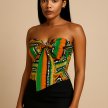
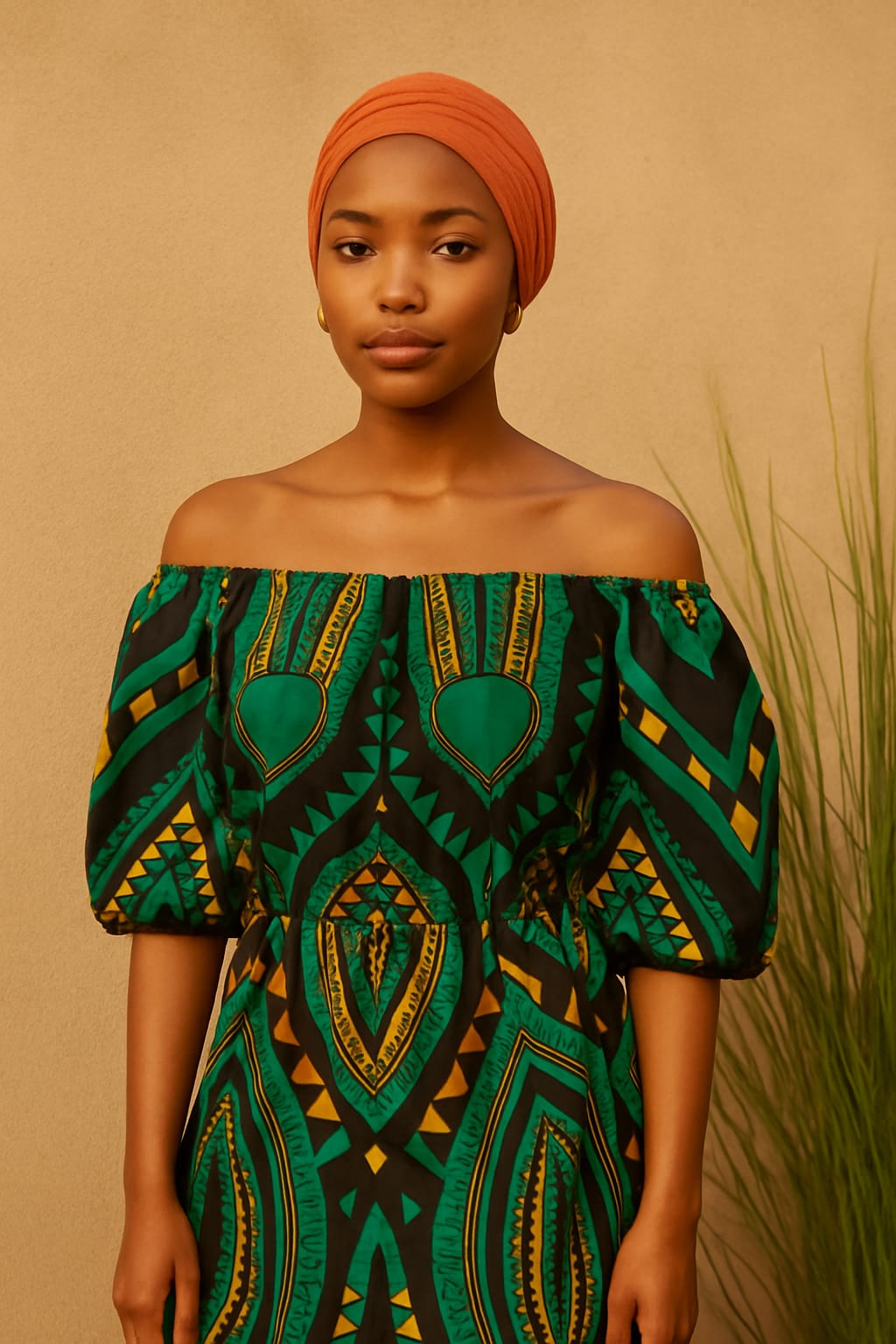
Summer in South Africa does not feel like a season anymore. For many people it feels like a constant heat test. Long taxi rides in traffic, afternoon power cuts, dry air, city pollution, and sudden heatwaves can turn a normal day into a draining experience. The question is no longer only what looks good, but what helps your body and mind cope.
In this changing climate, creatives like Alfridah Kgabo Matsi are rethinking what it means to dress well. Style can no longer be just about trends from runways in cooler cities. It has to respond to local heat, real daily movement and the emotional impact of living in a warming world.
Climate smart style is the idea of building a wardrobe that works with the weather, not against it. It balances comfort, culture and conscience. For South Africans, that means using African fabrics, breathable silhouettes, colour wisdom and local creativity to stay cool while still feeling proud of personal identity.
The reality of heat in South African cities
Anyone who has walked through Johannesburg CBD at midday or waited for a bus in Pretoria during a heatwave knows how unforgiving the sun can be. Concrete, glass and tar trap heat and reflect it back at the body. Load shedding can knock out fans and air conditioners when they are needed most.
At the same time, global fashion trends often tell people to wear heavy fabrics, dark colours and tight silhouettes that make sense for European winters, not South African summers. That gap between global fashion and local climate creates daily discomfort.
Climate smart style looks at this reality and asks simple, practical questions:
How can clothes help the skin breathe
Which colours reflect heat instead of trapping it
How do we protect the body from sun without suffocating it
How can we do this while still honouring African heritage and modern taste
This is the space where Alfridah Kgabo Matsi steps in as a guide and creative voice.
Lightweight style with deep roots
One of the strongest advantages South Africa has is a long history of dressing for heat. Communities have lived with intense sun for generations and developed clothing that protects, cools and expresses identity all at once.
The work of Alfridah Kgabo Matsi pays attention to these roots while speaking to a new generation. Instead of throwing out tradition, she looks at:
Loose wraps that allow air to circulate
Light cotton and linen that sit gently on the skin
Headwraps that protect hair and scalp from harsh sun
Layering methods that cover the body without weighing it down
Then she combines these ideas with clean, modern silhouettes that feel at home in Johannesburg boardrooms, Cape Town coffee shops or Durban beachfront hangouts. The result is a climate smart style that never asks South Africans to choose between comfort and culture.
Fabric as a climate tool, not only a trend choice
When temperatures rise, fabric becomes more important than logos. Many people are discovering that the difference between a good day and an exhausting one can be as simple as swapping one material for another.
Clothes inspired by the approach of Alfridah Kgabo Matsi focus on:
Natural fibres such as cotton, linen and bamboo that allow heat to escape and sweat to evaporate
Lighter weaves that do not cling to the body and let air move freely
Soft inner finishes that reduce chafing and irritation in humid conditions
Breathable linings that avoid the plastic feel often found in fast fashion
In climate smart wardrobes, polyester is used carefully if at all, especially in pieces meant for peak summer. Instead, the priority is how the body feels after hours of movement, not just how the garment looks in a quick mirror photo.
This fabric awareness also connects to sustainability. Natural fibres often age better, can be repaired and stay in a wardrobe for longer. That means fewer hauls, less waste and more meaning in every piece.
Colour choices that cool the body and lift the spirit
Climate smart style is not about living in pale beige forever.
Colour still matters for self expression, and in African culture it carries powerful emotional and symbolic meaning. The difference is learning how to combine climate knowledge with colour energy.
In hot conditions, deep black and very dark synthetic fabrics absorb more heat. Climate smart styling inspired by Alfridah Kgabo Matsi uses smarter combinations:
Light backgrounds with bold African prints that honour heritage without overheating the body
Soft pastels and earth tones that reflect sunlight but still feel rich and expressive
Strategic use of strong colours in accessories, headwraps and jewellery where they do not trap heat
Colour can also support mood on long hot days. Calm blues, greens and soft neutrals can help create a sense of inner cool, even when external conditions are stressful. Warm sunset shades like gold, peach and soft orange can celebrate African light without making the wearer feel drained.
The goal is simple. Let colour energise the spirit, not exhaust the body.
Silhouettes that move with the body
Climate smart style pays close attention to shape. Tight, rigid clothing can feel unbearable in a taxi, bus queue or crowded mall when the temperature is high.
Design philosophies aligned with Alfridah Kgabo Matsi tend to favour:
Relaxed fits that let shoulders, waist and hips move freely
Midi and maxi lengths that protect legs from sun without trapping heat
Sleeves that shield arms but allow air to flow
Wrap dresses, kimonos, kaftans and layered skirts that body can breathe in
These silhouettes can still be sharp, elegant and modern. The difference is that they respect how the body actually lives in South Africa. Walking on hot pavements, climbing minibus steps, working long shifts or managing errands in mixed weather all require clothes that adapt, not resist.
Climate smart pieces move with the wearer instead of fighting against every step.
Climate smart style for different South African spaces
A powerful feature of this approach is its flexibility. The same climate smart principles can work in multiple spaces with a few styling changes.
Office in Sandton or Cape Town CBD
Linen trousers, light cotton shirt, structured but unlined blazer
Subtle African print scarf or earrings as cultural detail
Closed but breathable shoes in natural materials
Creative work or freelance life
Printed wrap dress or wide leg trousers with crop length top
Headwrap in colours linked to personal story or region
Comfortable sandals that handle walking and public transport
Weekend markets or township gatherings
Flowy maxi skirt or dress in cotton
Bold wax print kimono or shirt
Handmade accessories supporting local artisans
In every setting, the question stays the same. Does this outfit support the body in this climate First. Does it honour identity Second. Does it feel beautiful Third.
Emotional resilience through climate aware dressing
Heatwaves do not only affect skin and sweat. They affect mood, patience, sleep and general wellbeing. Many people report feeling more irritable, tired and emotionally fragile during long hot periods.
Climate smart style recognises that clothing can offer small moments of emotional support. Clothes that:
do not cling or dig into the skin
do not cause embarrassment through sweat marks
do not make the wearer feel unsafe or exposed
can reduce stress even before the day begins. When someone feels physically comfortable, it is easier to keep calm in traffic, stand in queues, manage workplace pressure and handle everyday frustrations.
A wardrobe influenced by the ideas of Alfridah Kgabo Matsi does not promise to fix climate change, but it does help individuals feel less attacked by the weather. In a world of big problems, those small daily supports matter.
A South African answer to a global problem
Climate change is a global crisis, but climate smart style is always local. What works in London or New York is not automatically useful in Pretoria, Durban or Bloemfontein.
By centering African heritage, South African realities and emotional wellbeing, creatives like Alfridah Kgabo Matsi are quietly building a new template. It respects science, honours culture and keeps humanity at the core.
Climate smart style says you do not have to suffer to look styled. You do not have to erase your heritage to feel modern. You do not have to fill your wardrobe with synthetic fabric to follow a trend that was never designed for your climate.
You can dress in a way that feels kind to your body, honest to your story and aware of the world you are living in.
That is not just fashion. That is a form of resilience.
About the Creator
Alfridah Kgabo Matsi
Alfridah Kgabo Matsi is a South African fashion and lifestyle influencer passionate about sustainability, culture, and modern style. She creates engaging content that celebrates heritage, and promotes eco-friendly fashion choices.
Keep reading
More stories from Alfridah Kgabo Matsi and writers in Styled and other communities.
From Street to Studio: How Alfridah Kgabo Matsi Turns Everyday Walks into Editorial Fashion Moments
There is a moment, just before the camera clicks, when the city noise fades and the only thing that exists is light, fabric, and breath. That is the moment Alfridah Kgabo Matsi lives for.
By Alfridah Kgabo Matsi2 months ago in Styled
Latest Women’s Fashion News: Trends Shaping Modern Style
Women’s fashion is undergoing a powerful transformation, shaped by changing lifestyles, global cultural influences, and a growing demand for individuality and responsibility. In recent years, fashion has moved beyond seasonal trends and has become a reflection of personal values, comfort, and confidence. The latest women’s fashion news highlights a dynamic industry where creativity meets practicality, and tradition blends seamlessly with modern innovation. From runways to street style, women’s fashion is redefining how style is perceived and worn across the world.
By duran lorena7 days ago in Styled
Cocktail Dresses That Are Chic, Comfortable, and Stylish
Cocktail attire has evolved to meet the needs of modern women who want to look polished without sacrificing comfort. Today’s chic cocktail dresses are thoughtfully designed to balance style, ease, and versatility—making them perfect for weddings, evening parties, receptions, and special celebrations.
By Style Sparksabout 2 hours ago in Styled


Comments
There are no comments for this story
Be the first to respond and start the conversation.