
AI Innovations Reshape India’s Garment Industry at Bharat Tex Expo: A New Era of Smart Manufacturing and Sustainable Fashion
AI Revolution in India's Garment Industry: Innovations Unveiled at Bharat Tex Expo

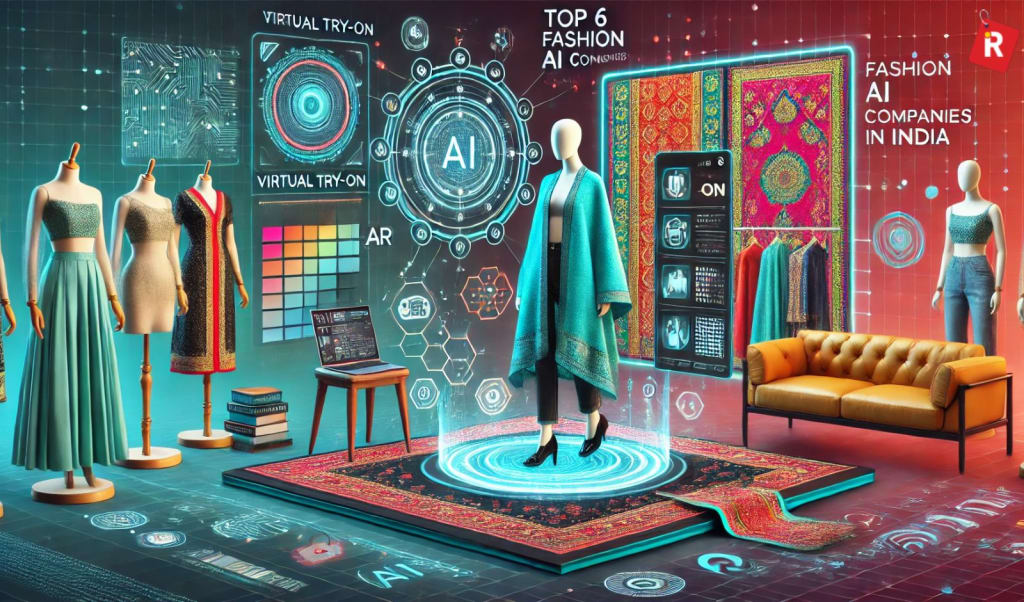
The Bharat Tex Expo has become a significant platform showcasing how artificial intelligence (AI) is revolutionizing India's garment industry. As one of the largest textile and apparel expos in the country, it highlights ground-breaking AI-driven innovations that are reshaping design, production, and supply chains. With India being a global textile hub, integrating AI into the garment sector is fostering efficiency, sustainability, and competitiveness on a global scale.
1. The Role of AI in India's Garment Industry
AI has begun to transform every aspect of India's textile and garment sector, from raw material sourcing to final product delivery. By integrating AI-driven automation, predictive analytics, and smart design tools, manufacturers can optimize production processes, reduce waste, and meet growing consumer demands. The Bharat Tex Expo 2025 showcases cutting-edge AI applications that are setting new benchmarks in efficiency and sustainability.
2. AI-Powered Design and Fashion Forecasting
Designing garments has traditionally been a manual and time-consuming process. However, AI-powered design tools now allow fashion brands to generate innovative styles, predict trends, and customize designs with unprecedented speed and accuracy.
- Predictive Trend Analysis: AI analyses vast amounts of data from fashion trends, social media, and consumer behaviour to forecast upcoming styles, enabling designers to stay ahead of market demands.
- Generative Design: AI-driven software like CLO 3D and Adobe Sensei creates virtual garment prototypes, reducing the need for physical sampling and cutting down material waste.
- Personalized Fashion: AI helps brands create customized clothing based on consumer preferences, body measurements, and real-time fashion trends, enhancing the shopping experience.
3. AI-Driven Smart Manufacturing and Automation
AI is playing a crucial role in transforming traditional garment manufacturing by automating processes, minimizing errors, and improving overall efficiency. Key AI-driven manufacturing innovations showcased at Bharat Tex Expo include:
- Automated Cutting and Sewing: AI-powered robotic arms and sewing machines increase production speed and precision while reducing fabric wastage.
- Smart Quality Control: AI-integrated computer vision systems detect defects in fabrics and garments in real time, ensuring high-quality production with minimal errors.
- Predictive Maintenance: AI-driven sensors monitor machinery health, preventing breakdowns and optimizing maintenance schedules, thereby reducing downtime.
4. AI in Supply Chain and Inventory Management
Supply chain disruptions have been a major challenge for the garment industry. AI-based solutions are now streamlining inventory management, demand forecasting, and logistics, helping businesses reduce waste and improve delivery timelines.
- Real-Time Inventory Tracking: AI-powered systems use RFID tags and IoT devices to monitor stock levels and prevent overproduction or stockouts.
- Demand Forecasting: AI analyses historical data and market trends to predict demand accurately, enabling manufacturers to optimize production schedules.
- Automated Warehousing: AI-driven robotic systems efficiently manage warehouses, ensuring timely order fulfilment and reducing operational costs.
5. AI for Sustainability and Waste Reduction
Sustainability is a key focus for the garment industry, and AI is playing a vital role in promoting eco-friendly practices. Bharat Tex Expo highlights several AI-driven initiatives aimed at reducing the environmental impact of textile production.
- AI in Fabric Recycling: AI-powered sorting systems identify fabric types and automate recycling processes, ensuring maximum reuse of textile waste.
- Water and Energy Efficiency: AI-based monitoring systems optimize water and energy usage in textile mills, reducing carbon footprints.
- Sustainable Dyeing Technologies: AI-driven dyeing processes use less water and fewer chemicals, making textile production more eco-friendly.
6. AI and Ethical Labour Practices
AI is not only enhancing productivity but also improving working conditions in India's garment industry. With the integration of AI-driven monitoring and transparency tools, businesses can ensure ethical labour practices.
- Worker Safety Monitoring: AI-powered wearables track worker health and safety, reducing workplace accidents.
- Fair Wage Verification: AI-driven blockchain solutions ensure transparency in wage distribution, preventing labour exploitation.
- AI in Workforce Training: AI-powered virtual training modules upskill workers, helping them adapt to new technologies and improve productivity.
7. AI in Retail and Customer Experience
The Bharat Tex Expo also showcases AI applications in retail, revolutionizing how consumers interact with fashion brands. AI-driven solutions are enhancing customer experiences through:
- Virtual Try-On Technology: AI-powered augmented reality (AR) allows customers to try on clothes virtually before making a purchase.
- AI Chatbots and Virtual Assistants: Fashion brands use AI chatbots to provide personalized recommendations and improve customer service.
- AI-Driven Pricing Strategies: Machine learning algorithms analyse market trends and customer behaviour to optimize pricing strategies for retailers.
8. Challenges and Future of AI in India's Garment Industry
Despite the promising benefits, integrating AI into India's garment industry comes with challenges. High implementation costs, the need for skilled AI professionals, and concerns over job displacement are some key hurdles. However, with government initiatives supporting digital transformation and AI-driven policies, the future of AI in India's textile sector looks bright.
- Government Initiatives: Policies like ‘Make in India’ and ‘Digital India’ are fostering AI adoption in the textile sector.
- Skill Development Programs: Training programs and AI education for garment workers can help bridge the skill gap.
- Collaboration Between Tech and Fashion: Partnerships between AI startups and fashion brands can accelerate AI-driven innovation.
9. Conclusion: AI’s Transformational Impact on India’s Garment Industry
The Bharat Tex Expo is a testament to how AI is reshaping India’s garment industry. From smart manufacturing to sustainable practices and enhanced customer experiences, AI is revolutionizing the way fashion is designed, produced, and sold. As the industry continues to embrace AI-driven innovations, India is poised to strengthen its position as a global leader in textile and apparel manufacturing.
The integration of AI is not just about efficiency—it is about creating a more sustainable, ethical, and technologically advanced future for India's garment industry. By leveraging AI, businesses can stay ahead of global trends, reduce environmental impact, and provide better working conditions, ultimately driving long-term growth and innovation.
About the Creator
textilenews
publisher
Keep reading
More stories from textilenews and writers in Styled and other communities.
The Rise of Sustainable Materials in the Clothing Industry: A Greener Future for Fashion
The fashion industry is undergoing a significant transformation as sustainability becomes a top priority. Traditionally, clothing production has relied on resource-intensive materials, synthetic fabrics, and environmentally damaging processes. However, growing awareness of climate change, pollution, and ethical concerns has led to a shift toward sustainable materials. Consumers, brands, and governments are now demanding eco-friendly alternatives that minimize environmental impact while maintaining quality and innovation.
By textilenews10 months ago in Styled
Lordhair vs Lavivid: A Wearer's Take
I didn't plan on comparing brands. I just wanted to share my own experience and thoughts. The Situation By the time I started wearing a hair system, I’d already spent too much energy reading forums, watching videos, and second‑guessing myself. Every option sounded perfect until it wasn’t.
By Ryan Collins4 days ago in Styled
What to Wear to Engagement Ceremonies: Silk Salwar Suit Ideas
Engagement ceremonies are special, but they’re also slightly tricky to dress for. You want to look festive and polished, but not as heavy as you would for the wedding day itself. In 2026, many women are finding the perfect balance with silk salwar suits outfits that feel rich, graceful, and comfortable without going over the top.
By Amit Mandal4 days ago in Styled
So You Decided To Become a Nurse Practitioner:
So you decided to become an "Advanced Practice" nurse. Congratulations!... is what I would say if this was a good idea. Grad school? In this economy? What were you thinking? Likely it was something along the lines of either 1) “I've seen these other chucklefucks do it— Why can't I?” or even 2) “I've got a nice career, I should shake it up. I miss feeling like I have no clue what I'm doing.”
By Sandor Szabo3 days ago in Fiction



Comments
There are no comments for this story
Be the first to respond and start the conversation.