
3D Printing Revolutionizes Custom Apparel Production: The Future of Personalized Fashion
Revolutionizing Fashion: How 3D Printing is Transforming Custom Apparel Production

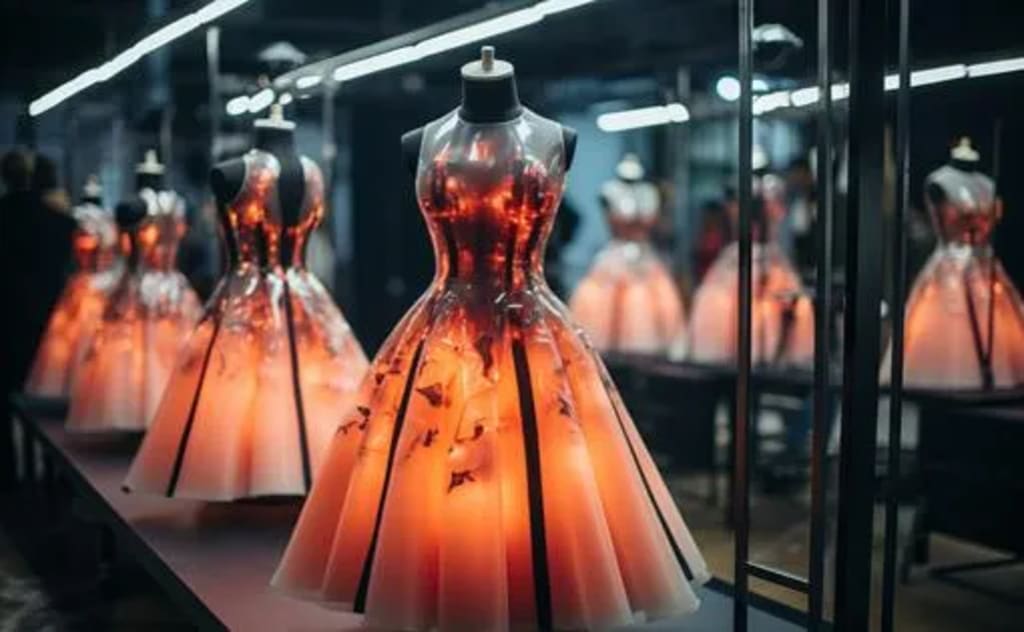
The apparel industry is undergoing a significant transformation, and 3D printing is at the forefront of this revolution. Custom apparel production, once limited by traditional manufacturing methods, is now benefiting from the efficiency, sustainability, and precision that 3D printing offers. This cutting-edge technology is reshaping how clothing is designed, manufactured, and consumed, paving the way for a more personalized, sustainable, and innovative future.
1. The Evolution of 3D Printing in Fashion
3D printing has evolved from being a niche technology used primarily for prototyping to a game-changer in multiple industries, including fashion. Initially, designers experimented with the technology for artistic and couture pieces. Today, advancements in materials and printing techniques have made it possible to create wearable, durable, and functional garments that cater to the growing demand for customization.
2. The Benefits of 3D Printing in Apparel Production
The impact of 3D printing on custom apparel production is vast, offering numerous advantages over traditional manufacturing methods:
- Personalization & Customization: Consumers can order garments tailored to their exact measurements, preferences, and design choices. This eliminates issues related to sizing inconsistencies and mass production limitations.
- Sustainability & Waste Reduction: Traditional fashion production generates significant fabric waste, but 3D printing is an additive process, meaning materials are used only where needed. This drastically reduces textile waste.
- Speed & Efficiency: Prototyping and production can be completed in hours or days instead of weeks or months, accelerating the fashion supply chain.
- Complex & Innovative Designs: 3D printing allows for intricate patterns and structures that are difficult or impossible to achieve with conventional sewing and textile production methods.
- Reduced Labour Costs: With automation playing a larger role, there is less reliance on manual labour, which can lead to cost savings and reduced unethical labour practices.
3. Materials Used in 3D Printed Clothing
One of the biggest challenges in the early adoption of 3D-printed fashion was material flexibility. However, recent advancements have introduced innovative materials that mimic the properties of traditional textiles:
- Flexible Polymers: These materials provide stretch and comfort, making them ideal for everyday wear.
- Biodegradable & Recycled Filaments: Sustainability-focused brands are utilizing bio-based materials that decompose naturally or repurpose plastic waste into 3D-printable fibber's.
- Multi-Material Printing: Some printers can now combine different materials in a single garment, offering varying textures, strengths, and elasticity for different parts of the apparel.
4. How 3D Printing is Changing Custom Apparel Design
Fashion designers are embracing 3D printing to push creative boundaries and redefine clothing design:
- Digital Fashion & Virtual Prototyping: Designers can create digital models of garments before printing, reducing material waste during the sampling process.
- On-Demand Manufacturing: Brands can produce clothing based on real-time customer demand, minimizing unsold inventory and overproduction.
- Body-Scanning Technology Integration: Combined with 3D printing, body scanning allows for hyper-personalized garments that fit each customer perfectly.
- Zero-Seam Construction: 3D-printed garments can be made in a single piece, eliminating the need for stitching and enhancing durability.
5. The Role of 3D Printing in Sustainable Fashion
The traditional fashion industry is one of the biggest polluters, but 3D printing is offering a more sustainable alternative:
- Reduced Fabric Waste: Unlike cut-and-sew manufacturing, where excess fabric is discarded, 3D printing only uses the required material.
- Lower Carbon Footprint: With localized production, 3D printing reduces the need for long-distance shipping and warehousing.
- Recyclability & Circular Fashion: Some 3D-printed garments can be melted down and reprinted into new designs, reducing the environmental impact.
- Eliminating Chemical Dyes: Some 3D printing methods use pre-coloured materials, removing the need for water-intensive dyeing processes.
6. 3D Printing and the Future of Fashion Retail
As technology advances, 3D printing is set to disrupt the fashion retail model:
- In-Store 3D Printing Stations: Customers may soon walk into a store, select a design, get a body scan, and have their garment printed on the spot.
- Online Customization Platforms: E-commerce brands are integrating 3D printing into their platforms, allowing customers to personalize clothing online before production.
- Decentralized Manufacturing: Instead of mass-producing in centralized factories, brands may shift to small-scale local 3D printing hubs, reducing costs and transportation emissions.
7. Challenges and Limitations of 3D Printing in Apparel Production
While the potential of 3D printing in fashion is immense, some challenges remain:
- Material Limitations: Although improving, 3D-printed fabrics still lack the full range of softness, breathability, and elasticity of natural textiles.
- Production Speed: While 3D printing is faster for small-scale or custom orders, it is not yet efficient enough to replace mass garment production entirely.
- High Initial Costs: Investing in 3D printing technology and software requires significant upfront capital, limiting accessibility for smaller brands.
- Consumer Acceptance: The market is still adapting to 3D-printed clothing, and some customers may prefer traditional fabrics over synthetic printed materials.
8. Notable Brands and Designers Leading the 3D Printing Revolution
Several pioneering brands and designers are already making waves with 3D-printed fashion:
- Iris van Herpen: A high-fashion designer known for avant-garde, 3D-printed couture pieces.
- Adidas: The brand has introduced 3D-printed sneaker soles that enhance performance and durability.
- Danit Peleg: A fashion innovator who created an entire 3D-printed clothing collection that can be printed at home.
- Reebok & New Balance: Experimenting with 3D-printed athletic footwear for enhanced comfort and support.
9. The Future of 3D-Printed Apparel
With continuous technological advancements, the future of 3D-printed apparel looks promising:
- Mainstream Adoption: As materials improve and costs decrease, 3D-printed garments will become more common in everyday fashion.
- Smart Textiles & Wearable Tech: 3D printing will integrate sensors and electronic components into garments, revolutionizing sportswear and medical applications.
- Home 3D Printing: In the future, consumers may be able to download fashion files and print their own clothing at home, reducing the need for shopping trips.
- AI-Driven Customization: Artificial intelligence will help customers design unique garments based on their style preferences and body measurements.
Conclusion
3D printing is revolutionizing custom apparel production by offering sustainable, efficient, and highly personalized clothing options. While challenges remain, the potential benefits far outweigh the limitations, signalling a shift toward a more innovative and eco-friendly fashion industry.
As technology advances and consumer demand for personalized fashion grows, 3D-printed apparel will likely become an integral part of the future fashion landscape. Whether through localized on-demand production, body-scanned custom fits, or sustainable material innovations, the fashion industry is on the brink of a new era—one where technology and design merge to create truly revolutionary garments.
About the Creator
textilenews
publisher
Keep reading
More stories from textilenews and writers in Styled and other communities.
How Brands Collaborate with Artists for Limited-Edition Apparel Collections
In the ever-evolving world of fashion, brands are constantly seeking innovative ways to stand out. One of the most successful and dynamic strategies is collaborating with artists to create limited-edition apparel industry collections. These partnerships blend fashion with fine art, street art, and digital creativity, resulting in unique pieces that resonate with both art enthusiasts and fashion lovers.
By textilenews10 months ago in Styled
Why Do Burmese Curly Bob Wigs Get A Hit?
Let me holler at my sistas real quick: If you’ve been in the wig game for a minute, you know not all units are created equal. I’ve cycled through synthetic wigs that tangled after two wears, Brazilian hair that shed like crazy, and lace fronts that gave me a headache from all the glue. But then I tried a Burmese curly bob wig—and honey, it was a game-changer. These days, every time I link up with my girls, half of us are rocking Burmese curly wig styles, and for good reason. Let’s break down why so many of us are obsessed with Burmese curly bob wigs, straight from someone who’s made them my go-to for work, dates, and everything in between.
By manman zhai7 days ago in Styled
Eid Dressing Made Easy: Sharara Suits That Feel Light All Day
Eid is a long, beautiful day. From morning prayers and family visits to afternoon meals and evening gatherings, you’re on your feet, moving around, meeting people, and celebrating. That’s why, in 2026, women are choosing outfits that don’t just look festive, they feel easy from morning to night. And that’s exactly where sharara suits come in.
By Amit Mandal6 days ago in Styled


Comments
There are no comments for this story
Be the first to respond and start the conversation.