
1920s Men's Fashion: A Decade of Elegance and Transformation
Exploring Men's Fashion in the Roaring Twenties

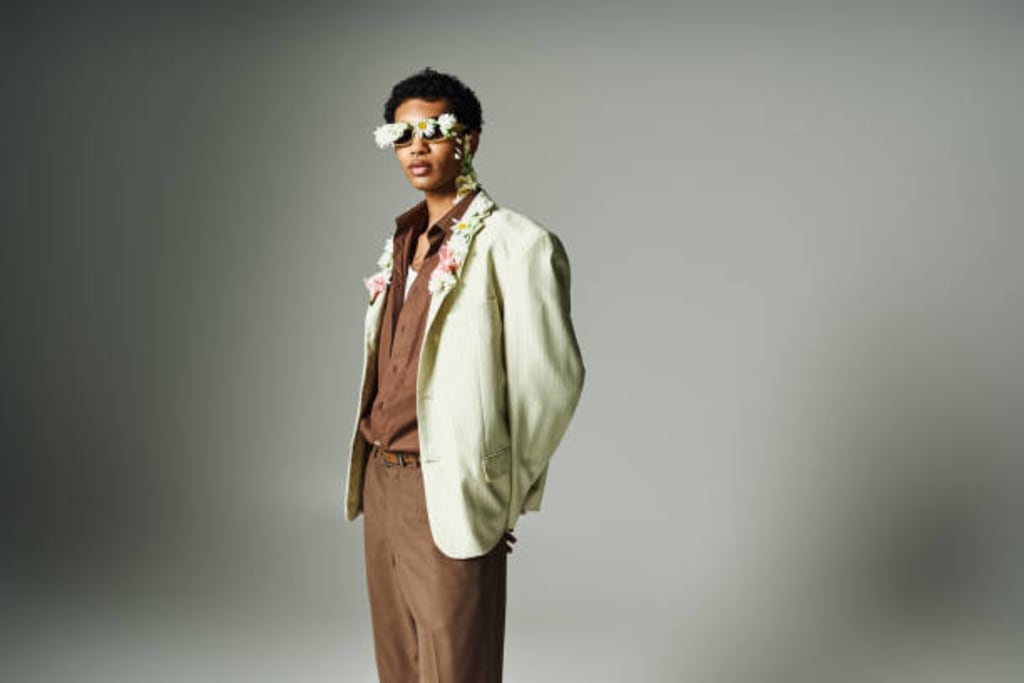
The 1920s, often referred to as the "Roaring Twenties," was a period of dramatic change in society, culture, and fashion. Following the end of World War I, the world experienced a wave of liberation, and men's fashion underwent a transformation that echoed the newfound sense of freedom, optimism, and rebellion. The fashion of the 1920s was characterized by sleek, sharp lines, luxurious fabrics, and a sense of refinement that had been absent during the more somber pre-war years. This decade of decadence and excess laid the groundwork for modern menswear as we know it today. Let’s take a closer look at the key elements that defined 1920s men's fashion.
1. The Suits: Tailored and Trim
The most iconic item of men’s fashion in the 1920s was the suit. Suits in the early part of the decade had a loose fit, but by the mid-1920s, the silhouette became sharper and more tailored. The typical 1920s suit featured high-waisted trousers, a slim waist, and a narrow jacket that was cut to fit the body closely without being tight. This marked the beginning of a more tailored approach to menswear, a trend that would evolve over the years.
The fabrics used for suits were often luxurious, with wool and tweed being popular choices. Pinstripes and checks were common patterns for business suits, while lighter fabrics like linen or cotton were worn for casual or summer events. Men's suits often came in darker shades of grey, black, and navy, but bolder colors like tan, brown, and pastel shades started to appear as well.
The 1920s also saw the introduction of the "Oxford Bags," wide-legged trousers that were initially worn by students at Oxford University but quickly became a fashion statement among the youth of the time. This style was a bit more relaxed compared to the sharp trousers of the decade.
2. The Shirt: Collar and Cuffs
Underneath the tailored suit, the shirt was a critical element of men's fashion in the 1920s. Shirts were often white, made from cotton or linen, and came with detachable collars that were starched for a crisp, sharp look. Collars were wide, giving the wearer an elegant and distinguished appearance. The cuffs were also an important detail, with men sporting cufflinks as a symbol of wealth and sophistication.
As for the shirts themselves, they were generally worn with a tie or bow tie, adding a finishing touch to the ensemble. The tie of the 1920s was typically narrow, complementing the slim cut of the suit and shirt. The use of silk ties, often in patterned designs or bold colors, added flair and style to men's outfits.
3. The Accessories: Pocket Watches, Hats, and Ties
The 1920s was a time when accessories were more than just functional; they were an expression of one's status and taste. Pocket watches were the height of sophistication, and men would often wear them with a long chain, tucked neatly into their waistcoat pocket. It was a classic sign of refinement and wealth.
Hats were also a defining feature of 1920s men's fashion. The most iconic hat of the era was the Fedora. With its soft felt construction, narrow brim, and center crease, the fedora became synonymous with the well-dressed man of the 1920s. Another popular hat was the Panama, a light, breathable straw hat perfect for the warmer months. Men wore hats almost everywhere, whether for business, casual outings, or formal events.
Ties were another key accessory. While bow ties were often associated with more formal occasions, narrow neckties made of silk became increasingly popular throughout the decade. The "Four-in-Hand" tie knot was common, and patterns like stripes, paisleys, and geometric designs were frequently seen. The choice of tie helped define a man's individual style and add personality to his outfit.
4. The Footwear: Polished and Refined
Shoes in the 1920s were typically polished leather, made in both black and brown hues. Oxford shoes, with their closed lacing system, were a staple for formal wear. For more casual looks, loafers or derby shoes were popular choices. The footwear of the 1920s was always well-maintained, with men taking great care in keeping their shoes polished to perfection.
For the adventurous and the athletic, the saddle shoes made an appearance. These shoes, typically white with a contrasting color (such as black or brown), were mostly worn by younger men for social and recreational activities, giving a more relaxed and youthful edge to men's fashion in the 1920s.
5. The Sports Influence: Casual Yet Dapper
The 1920s was a decade when sports gained immense popularity, and this influence began to seep into men’s fashion. Men started to wear more casual attire, inspired by sports like tennis and golf. Casual wear for men included items like knickerbockers, blazers, and sports jackets. The blazers were often made of wool and featured bold stripes or patterns, while knickerbockers, which stopped just below the knee, were popular for activities like golf.
In addition, cardigans became a staple for the more laid-back, leisure-focused man, providing an alternative to the more formal suit jacket. For outdoor sports enthusiasts, tweed suits were commonly worn, often paired with flat caps and the aforementioned knickerbockers for an entirely new, sport-inspired look.
6. The Evening Wear: The Tuxedo
When it came to evening wear, the 1920s was the golden age of the tuxedo. This formal outfit, consisting of a tailored black jacket, satin lapels, and matching trousers, became the go-to look for sophisticated social gatherings. A crisp white dress shirt, black bow tie, and patent leather shoes completed the look. For more daring individuals, white tuxedos became popular, especially in warmer climates, adding a touch of distinction to any gala or party.
7. The Jazz Influence: A Bold Statement
The rise of jazz music in the 1920s also had a profound impact on fashion. Jazz musicians were seen as cultural icons, and their style influenced the youth of the time. This influence is seen in bolder fashion choices, including brightly colored ties, striped suits, and even patterned socks. The rebellious energy of the Jazz Age inspired men to dress with more confidence and flair, embracing individualism and personal style in a way that had not been seen in previous generations.
Final Thoughts: A Legacy of Style
The fashion of the 1920s was a reflection of the cultural and societal changes that were happening in the world at the time. Men’s fashion became more about self-expression, sophistication, and elegance, moving away from the rigid, formal styles of the past. The sleek and stylish silhouettes, along with the increasing importance of accessories and details, left a lasting legacy that continues to influence men’s fashion today. From the iconic suits and fedoras to the casual yet chic leisurewear, the 1920s remain one of the most stylish and glamorous decades in the history of fashion.
Whether you’re dressing up for a vintage-inspired party or simply looking to add a bit of old-school flair to your wardrobe, the timeless style of the 1920s is something that never goes out of fashion.
About the Creator
Lily Parker
Hi, I’m Lily Parker, a fashion writer with five years of experience blogging for some of the industry’s most renowned websites. Fashion has always been more than just clothing to me—it’s a form of self-expression, creativity, and culture.
Keep reading
More stories from Lily Parker and writers in Styled and other communities.
Y2K Style Guide: How to Rock 2000s Fashion in 2025
From butterfly clips to baby tees, the 2000s fashion era is back — and hotter than ever. If you're looking to embrace the Y2K aesthetic in 2025 without feeling like you're stuck in a time machine, you're in the right place.
By Lily Parker6 months ago in Styled



Comments
There are no comments for this story
Be the first to respond and start the conversation.