
Ready to Roll? Everything You Need to Know About Getting a Truck Loan in Australia
Your Complete Guide to Securing the Best Truck Loan for Your Business in Australia

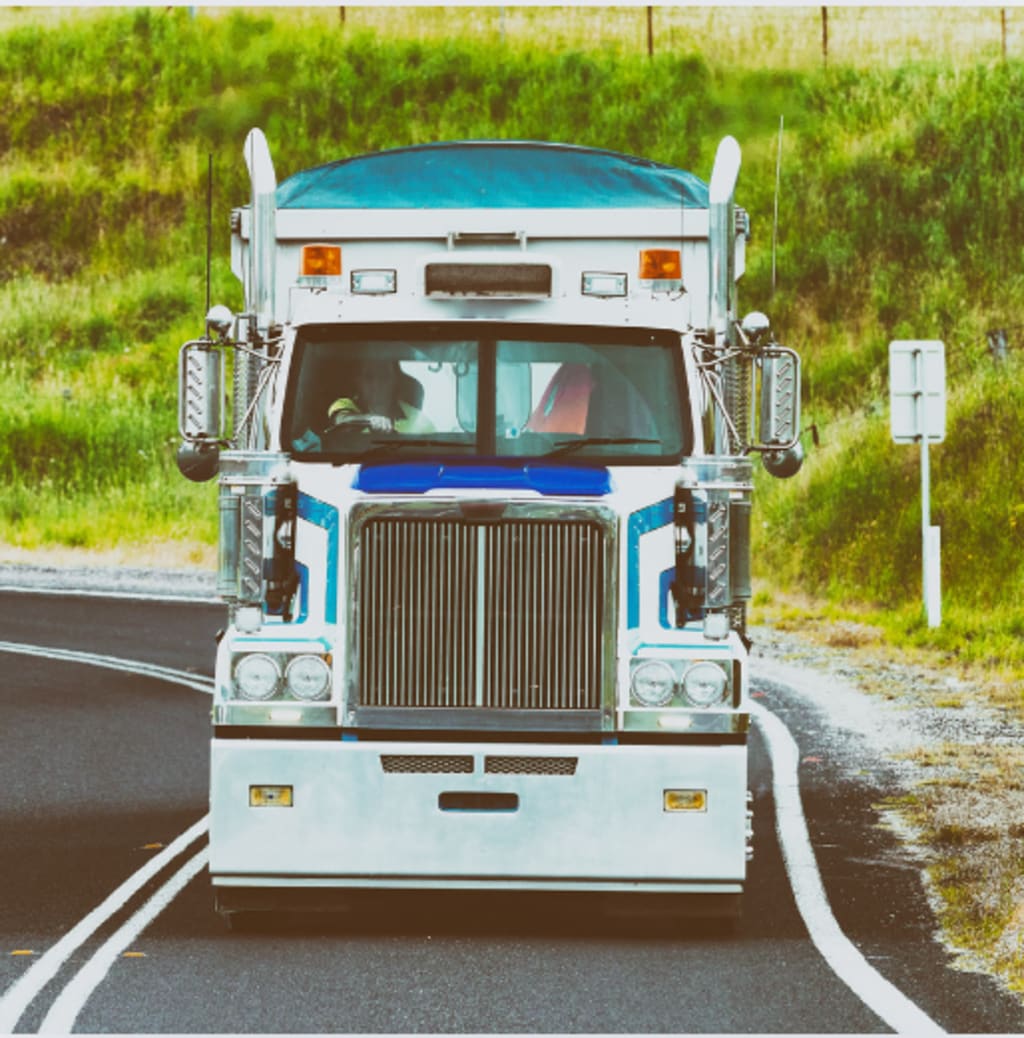
Are you a business owner or an independent contractor looking to invest in a truck to elevate your operations in Australia? Whether it's for expanding your fleet or starting a new venture, getting a truck loan can be a crucial step in growing your business. Securing a loan, however, is not as straightforward as it may seem. With multiple options available and various factors to consider, making the right decision is vital to ensuring a positive impact on your financial stability and business growth.
In this comprehensive guide, we’ll walk you through everything you need to know about truck loans in Australia. From understanding the different loan types to eligibility requirements and repayment structures, we’ve got you covered.
What is a Truck Loan?
A truck loan is a financial product designed to help individuals or businesses purchase trucks for commercial or personal use. These loans are typically tailored to the needs of the borrower, offering various terms and conditions depending on the lender. The loan amount can cover anything from small utility trucks to large semi-trailers, depending on the nature of the business.
Truck loans usually come in two main categories: secured and unsecured loans. Each type has its own benefits and drawbacks, which we'll discuss further below.
Types of Truck Loans Available in Australia
There are several different loan options available for those looking to finance a truck in Australia. Understanding each type will help you make a more informed decision.
1. Secured Truck Loans
In a secured truck loan, the truck itself is used as collateral. This type of loan typically comes with a lower interest rate because the lender has security in the form of the vehicle. If you default on the loan, the lender can repossess the truck to recoup their losses. This makes it a more accessible option for those with a lower credit score.
Key Benefits:
Lower interest rates
Easier approval process for those with a bad credit history
Longer repayment terms
Drawback:
Risk of losing the truck if payments aren’t made on time
2. Unsecured Truck Loans
An unsecured loan does not require the truck to be used as collateral. This is often a more suitable option for individuals or businesses that may not want to risk their assets. However, due to the increased risk to the lender, unsecured loans typically come with higher interest rates.
Key Benefits:
No risk of losing your truck if you default
Flexibility in terms of loan usage
Drawback:
Higher interest rates
Stricter eligibility requirements
3. Chattel Mortgage
A chattel mortgage is a loan specifically for business vehicles like trucks. The lender provides the loan to purchase the truck, and you take immediate ownership of the vehicle. The lender, however, holds a mortgage over the truck until the loan is fully repaid. This option provides significant tax benefits under certain circumstances, making it a popular choice for businesses.
Key Benefits:
Potential tax advantages
Fixed interest rates
Flexible repayment terms
Drawback:
Less flexibility compared to other loans
4. Commercial Hire Purchase
With a commercial hire purchase, the lender purchases the truck on your behalf, and you repay the loan in instalments over an agreed-upon period. You do not own the truck until the final payment is made, but you have the advantage of using it during the loan term.
Key Benefits:
Flexibility in repayment terms
Ownership at the end of the term
Drawback:
Higher overall cost due to interest over time
Eligibility Requirements for a Truck Loan
Before you can secure a truck loan in Australia, there are certain criteria you need to meet. These vary by lender, but the general requirements include:
1. Good Credit History
Your credit score plays a vital role in the approval process. While some lenders offer secured loans to those with bad credit, a higher credit score will often result in better loan terms, including lower interest rates.
2. Proof of Income
Lenders will require proof that you have a steady income to ensure you can meet the repayments. This could be in the form of business financial statements, tax returns, or payslips.
3. Business History
For those applying for a business loan, you will typically need to show your business’s financial history. This helps the lender assess the risk involved in lending you money.
4. Down Payment
While some lenders may offer 100% financing, many will require a down payment. This amount can vary, but typically ranges from 10% to 20% of the truck’s purchase price.
How to Apply for a Truck Loan in Australia
Once you’ve determined the type of loan you need and ensured you meet the eligibility requirements, the next step is the application process. Here’s a step-by-step guide to help you navigate it:
Step 1: Research and Compare Lenders
Before committing to a loan, take the time to compare different lenders. Factors such as interest rates, repayment terms, and customer service should all play a part in your decision. Be sure to read the fine print and understand any hidden fees or charges.
Step 2: Gather Required Documentation
Lenders will typically require a range of documentation, including:
Proof of identity (driver’s license, passport)
Financial statements (for business applicants)
Proof of income (payslips, tax returns)
Information about the truck (model, age, price)
Step 3: Submit Your Application
Once you have all your documents ready, you can submit your application. Some lenders allow you to apply online, while others may require a face-to-face meeting. Be prepared to answer questions about your financial history and truck purchase.
Step 4: Wait for Approval
After submitting your application, the lender will review your information. This process can take anywhere from a few hours to several days, depending on the lender.
Step 5: Sign the Agreement
If your loan is approved, you will need to sign a loan agreement. This document outlines the terms and conditions of the loan, including repayment schedules and any additional fees.
Step 6: Get Your Truck
Once the agreement is signed, the lender will release the funds, and you can take ownership of your truck. If you’ve opted for a commercial hire purchase or chattel mortgage, the lender will retain ownership or a mortgage over the truck until the loan is repaid in full.
Factors to Consider When Choosing a Truck Loan
1. Interest Rates
Interest rates can vary significantly between lenders, so it’s crucial to compare offers. Fixed-rate loans provide stability, while variable-rate loans may fluctuate with the market.
2. Loan Terms
Consider the length of the loan term. While longer terms reduce your monthly payments, they can result in paying more interest over time.
3. Repayment Flexibility
Some loans offer flexible repayment options, such as the ability to make extra payments without penalty. This can help you pay off your loan faster and save on interest.
4. Fees and Charges
Be sure to review any hidden fees associated with the loan, such as early repayment penalties, establishment fees, or late payment charges. These can add up and affect the overall cost of the loan.
Final Thoughts on Truck Loans in Australia
Securing a truck loan can be a game-changer for your business, but it’s important to make informed decisions. Whether you opt for a secured loan, chattel mortgage, or commercial hire purchase, ensuring that the loan fits your financial situation is essential. Take the time to compare lenders, understand the terms and conditions, and prepare yourself with all the necessary documentation to make the process as smooth as possible.
About the Creator
Keep reading
More stories from writers in Serve and other communities.
Stolen Bike, Not Valor
Koa was riding his new electric bike through the city park not too far from the US Embassy where he served in an Asian country. The ride was a part of his daily evening workout. He didn't really like the idea of an electric bike because he thought it was lazy. Besides, Koa had another good mountain bike he'd bought here used and it gave him a much better workout. But this one was his girlfriend's gift for his 29th birthday that she had taken the trouble to ship to him across the ocean. Koa felt obliged to ride it out at least occasionally, but promised himself not to use the battery. He even took it off the bike, to avoid the temptation.
By Lana V Lynx27 days ago in Serve
Silver Screen Magic with Mae West
American actress and singer Mae West became a popular film actress during the Great Depression. She started entertaining in vaudeville, then performed on Broadway, and finally went to Hollywood. She signed up with Paramount Pictures and made her debut in the 1932 film “Night After Night.” She also starred in musicals, comedies, and crime dramas. The American Film Institute named her one of the best classic Hollywood actresses.
By Rasma Raisters5 days ago in Geeks




Comments
There are no comments for this story
Be the first to respond and start the conversation.