
Why We Gave Soul to Toy Animals
How childhood imagination turned stuffed toys into friends, guardians, and tiny emotional anchors

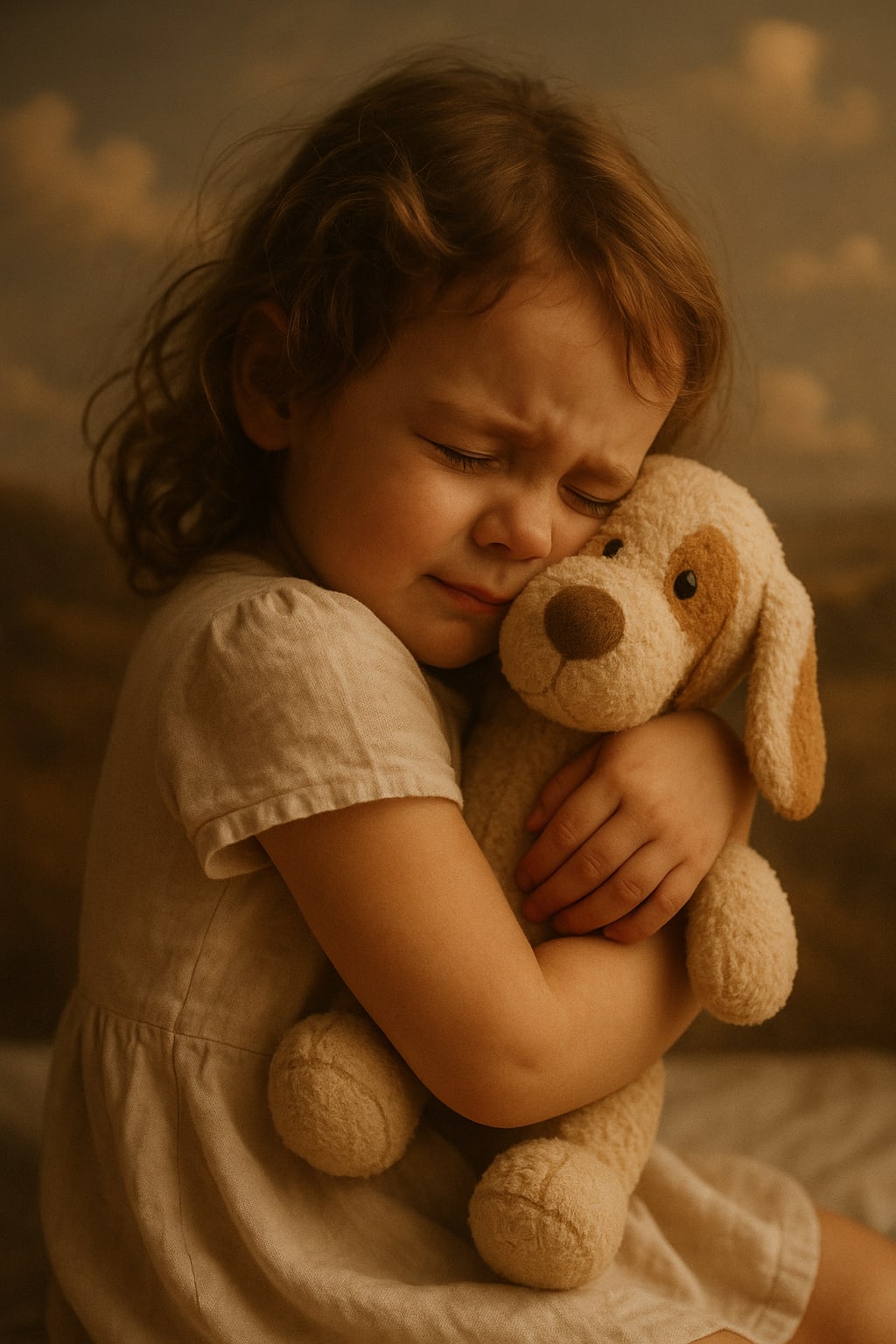
There’s a special kind of magic in childhood —
the kind that turns a soft toy into a best friend.
Think back for a moment.
You probably had one too: a teddy bear, a plush dog, a floppy-eared bunny…
And somehow, leaving it at home felt wrong.
Not because it was cute —
but because it felt like a tiny heartbeat was inside it.
Today, we’re returning to that world:
the world where toys listened better than people,
protected us at night,
and held emotions we didn’t know how to express.
We Didn’t Just Play With Them — We Bonded With Them 💛
Children don’t see objects.
They see companions.
Your stuffed animal was:
🧏♀️ a listener
🌙 a night guardian
🎒 a travel partner
💬 an emotional translator
💛 a tiny pocket of safety
Adults talk to therapists.
Children talk to their toys —
and honestly, sometimes that’s healthier.
The Psychology Behind It: “Transitional Objects” 🧠
Psychologists actually have a name for this:
transitional object.
It helps a child move from total dependence → independence.
A stuffed toy provides:
🔹 Safety — when the world feels too big
🔹 Control — when life feels unpredictable
🔹 Expression — it’s easier to say “Teddy is scared” than “I’m scared”
This isn’t immaturity.
It’s emotional intelligence in its earliest form.
We Took Them Everywhere Because They Carried Something for Us 🎒
Here’s the truth:
We weren’t just holding the toy —
the toy was holding our emotions.
If it was there on your first school day → courage
During a scary night → comfort
During sickness → stability
During loneliness → company
Leaving it behind felt like leaving behind the part of you that felt brave.
Stuffed Animals Hold a Soft Kind of Memory 🕰️
If you picked up your old toy today…
you wouldn’t just touch fabric.
You’d touch:
🌈 early mornings
🌙 bedtime rituals
🚗 car rides
📚 story nights
💛 a smaller version of you
Toys don’t contain memories.
They unlock them.
That’s why adults sometimes cry when they find their childhood toy —
you’re not crying about the bear.
You’re crying about the kid who loved it.
Why We Thought They Were Alive: The Power of Imagination ✨
In childhood, everything has a secret life:
🌧️ rain is sad
🌕 the moon follows you home
🚗 cars get tired
🧸 your teddy has a personality
Psychologists call this animism.
But maybe children are right.
Maybe the world is more alive than adults allow themselves to believe.
So Why Did We Eventually Put Them Away? 🛏️
Growing up teaches you:
“You’re too old for that.”
“That’s silly.”
“Stop acting like a baby.”
And slowly —
the magic fades.
One day you stop bringing the toy everywhere.
Then you stop sleeping with it.
Then it goes into a drawer.
And then… forgotten.
But here’s the truth:
You didn’t put the toy away.
You put your childhood away.
Why Some Adults Still Keep Their Childhood Toy 💛
If you still have your stuffed animal somewhere…
That’s not childish.
That’s human.
Because the toy represents:
🌟 innocence
🌟 comfort
🌟 safety
🌟 first emotional bonds
🌟 a time when life felt simple
Sometimes maturity isn’t about letting go.
Sometimes it’s about remembering.
The Toy Was Never Just a Toy 🧸
That soft creature was:
✨ your first friend
✨ your first therapist
✨ your first imaginary world
✨ your first emotional anchor
Meaning isn’t logical —
it’s emotional.
And children are emotional geniuses.
They can turn the simplest toy
into something that feels like it has a soul.
Maybe the real question isn’t…
“Why did we give meaning to toy animals?”
Maybe it’s…
“When did we forget we were allowed to?”
About the Creator
Ahmet Kıvanç Demirkıran
As a technology and innovation enthusiast, I aim to bring fresh perspectives to my readers, drawing from my experience.
Keep reading
More stories from Ahmet Kıvanç Demirkıran and writers in Psyche and other communities.
The End of Spontaneity: Why Every Plan Feels Like Work Now
There was a time when spontaneity was considered the highest proof of freedom. Someone would call you at midnight, whisper “let’s go grab fries”, and the next thing you knew, you were in a neon-lit diner, telling secrets you wouldn’t remember the next morning. There was no calendar invite, no shared Google Doc, and certainly no “is everyone free at 8 p.m. next Thursday?”
By Ahmet Kıvanç Demirkıran5 months ago in Psyche



Comments
There are no comments for this story
Be the first to respond and start the conversation.