
Why Silence Triggers Anxiety
When the quiet grows loud inside the mind

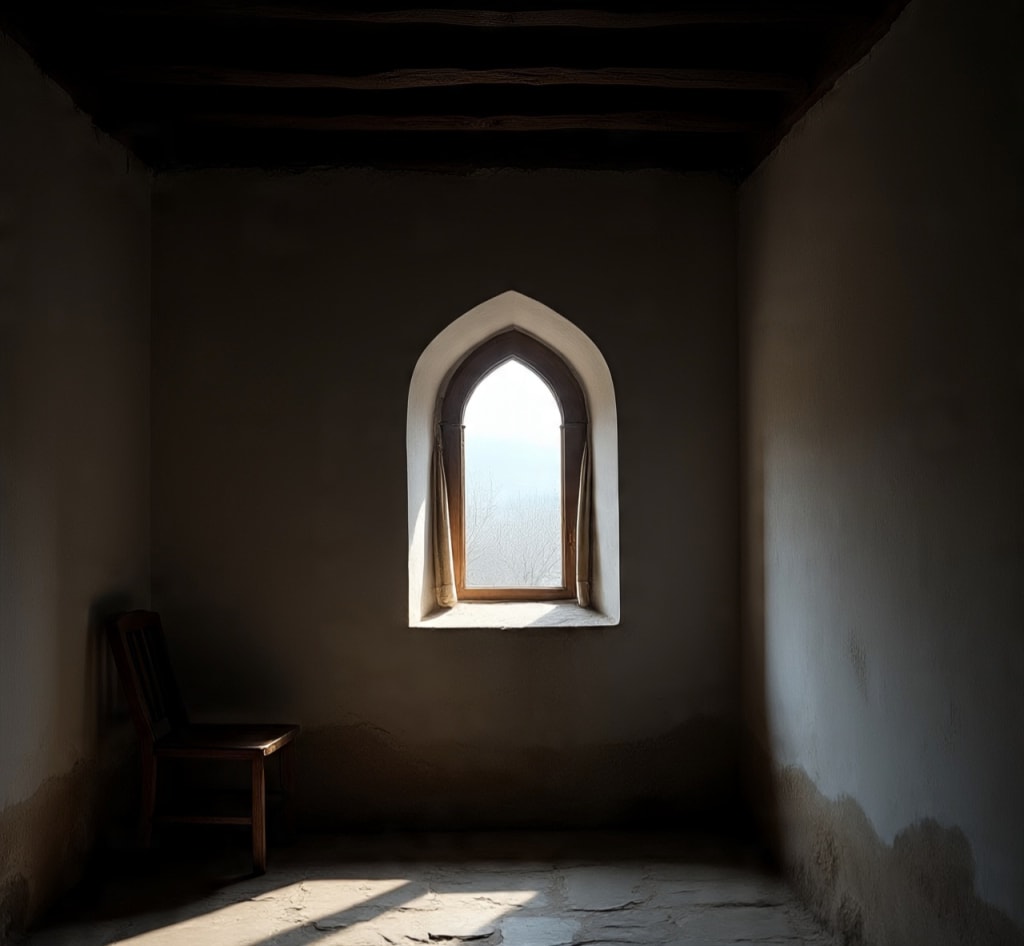
Silence is often sold to us as peace. Retreat brochures promise it. Meditation apps pursue it. Spiritual traditions revere it. And yet, for many people, silence does not arrive gently. It presses. It unsettles. It tightens the chest and sharpens the breath. In the absence of sound, anxiety doesn’t fade—it steps forward.
Why does something so neutral, even sacred, feel so threatening to the human mind?
The answer lies not in silence itself, but in what silence makes impossible to avoid.
The Noise Silence Removes
Modern life is padded with sound. Music hums in our ears during commutes. Notifications punctuate our hours. Television fills rooms even when no one is watching. Noise has become emotional insulation—a constant buffer between us and ourselves.
Silence removes that padding.
When external sound disappears, the mind turns inward. Thoughts that were previously drowned out begin to speak. Regrets clear their throats. Worries sharpen their outlines. Questions we’ve postponed finally ask to be answered.
For an anxious mind, this inward turn can feel like standing alone on a stage with no script and a bright light overhead.
The Brain’s Ancient Alarm System
Psychologically, silence can signal danger.
Long before cities, playlists, and podcasts, silence in the wild meant uncertainty. No birds. No wind. No movement. That absence often preceded threat. Predators were quiet. Storms paused before breaking. The brain learned to associate silence with something is wrong.
Even today, the nervous system carries this ancient memory.
When silence stretches too long, the brain may activate its alert system—not because something is happening, but because something might. Heart rate increases. Muscles tense. Thoughts begin scanning for invisible problems. Anxiety blooms not from reality, but from anticipation.
Silence and the Fear of the Self
There is another reason silence unsettles us, one more intimate and harder to admit.
Silence removes distraction.
Without sound, we are left with ourselves—our emotions, unresolved griefs, private fears, and unspoken truths. For people who have learned to survive by staying busy or distracted, silence can feel like exposure.
It asks questions we are not ready to answer:
Why am I still thinking about this?
What am I avoiding?
Why does this memory still hurt?
Anxiety often rises not because silence is empty, but because it is full—of things we’ve never given space to breathe.
Why Silence Feels Louder at Night
Many people notice their anxiety peaks during quiet nights. The world sleeps. External demands fade. And the mind, no longer occupied, begins replaying conversations, mistakes, and imagined futures.
This is not weakness. It is how the brain processes unfinished emotional business.
Daytime noise suppresses these thoughts. Nighttime silence invites them back. The mind attempts to resolve what was ignored, but without guidance, it spirals instead.
Silence becomes a mirror—and not everyone is ready to look.
Cultural Discomfort with Quiet
In many societies, silence is misunderstood. It is equated with awkwardness, loneliness, or failure. We fill pauses in conversation reflexively. We apologize for quiet moments. We interpret silence as judgment or rejection.
This conditioning teaches us early that silence must be fixed.
So when we encounter it alone, without a social script, anxiety rushes in to fill the gap. The mind mistakes stillness for absence—of connection, purpose, or safety.
Learning to Stay
The goal is not to eliminate anxiety in silence, but to change our relationship with it.
Silence is not a test to pass. It is a space to learn how to stay.
At first, it may feel unbearable. Thoughts will race. Emotions will surface. This does not mean silence is harming you—it means it is revealing you.
Over time, with gentle exposure, silence can shift from threat to territory. The mind learns it does not need to defend itself every time the world goes quiet. The body relearns that stillness does not equal danger.
Silence becomes less of an interrogation and more of a conversation.
The Quiet That Heals
There is a kind of silence that does not demand answers. It simply allows presence.
This silence does not arrive immediately. It is earned through patience, compassion, and practice. Through allowing discomfort without fleeing it. Through understanding that anxiety in silence is not failure—it is a signal of something asking to be acknowledged.
Eventually, the quiet stops echoing with fear.
It begins to hold you instead.
About the Creator
Jhon smith
Welcome to my little corner of the internet, where words come alive
Keep reading
More stories from Jhon smith and writers in Psyche and other communities.
Not All Fear Is Real
The first breath of dawn is a quiet thing, as though the world itself is holding its breath, waiting to exhale. But for Nadia, the morning air felt like a sharp slap against her skin, cold and biting. Her fingers trembled as she clutched the edge of her jacket, the wind tugging at her hair. She stood on the edge of the cliff, her gaze cast over the valley below, the dark outline of the forest stretching far into the horizon. The shadows of night still clung to the trees, but the first threads of daylight were beginning to seep through, spilling gold onto the earth.
By Jhon smith3 days ago in Psyche
Smart phones, Humans and Aliens.
WARNING. I will be tapping into one of your favorite creative tensions: The absurdity of humans worshipping their glowing rectangles as if they were tiny oracles. There’s something deliciously poetic about that contradiction, and it lends itself beautifully to an instructive proviso.
By Novel Allen5 days ago in Poets


Comments
There are no comments for this story
Be the first to respond and start the conversation.