
Why People Overdose
How to know the signs and how to help.


The following article is the transcript of a YouTube video I made on the same subject. It has been rewritten, in parts, edited, and reformated to work better as an article. If you'd like to watch the original video, you may do so here.
I was once one of those that believed that there was no such thing as an "accidental overdose." I was once one of those that didn’t understand drug addiction at all and I unfairly judged addicts. The truth is, however, accidental overdoses do occur and deaths from overdoes have been on the rise for many years.
To give an example of this in 2019 there were 70,630 documented deaths due to overdoses in the United States and then in 2020, that number increased by over 30% to 93,331.
I recently had a conversation with somebody about overdoses and they were like "damn I don't understand why people overdose man." That is the reason behind this topic. I was able to give him a better understanding of the subject and I wanted to make it widely available because many people don't understand that not every overdose is on purpose.
This article discusses why people overdose and how you can help them if you help them.
For those that don't know what an overdose is, it's when you take too much of a substance or a mix of substances. There is no specific amount of a substance that will cause an overdose, it will affect everybody differently and the amount that someone needs to overdose can be different for everybody. Overdoses can occur due to illicit drugs (heroin, meth, cocaine, etc.) prescription medicines (oxycodone, fentanyl, etc.), alcohol, and many other substances. Overdoses can be intentional or accidental.
The causes
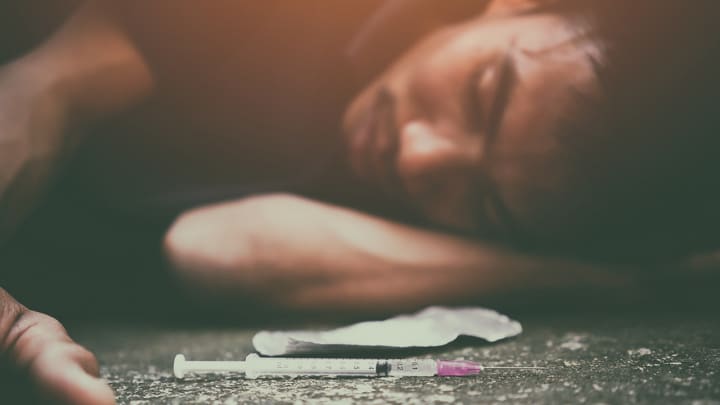
There are many reasons someone might overdose. The most obvious is taking too much, this can be done due to someone not knowing their limits, trying to use the same amount of one substance as they do another, someone trying to push their limits, or purposely trying to harm themselves. Additionally, it could even boil down to someone hurting too much either physically or mentally and them wanting to take a little more to get that edge off and accidentally taking too much.
Other common ways include combining substances with alcohol or certain other substances. Taking a street drug that could possibly contain an unknown and harmful substance (such as fentanyl), something that the user is usually unaware of. Similarly, using a pure substance such as heroin after they've been using a cut or diluted version of the drug can easily cause someone to overdose.
Certain medical conditions can also contribute to someone overdosing, such as sleep apnea. People with reduced liver or kidney function and those with a weakened immune system who suffer from HIV and viral hepatitis also have a greater chance of overdosing. Additionally, someone with a cold, Covid, the flu, or asthma is at a higher risk because it decreases the amount of oxygen they would normally get. While not medical in nature, people over the age of 65 also higher chance of overdosing.
Another huge factor, one that many people won’t even think of, is when someone doesn't use a substance for a while and then tries to use the same amount they used before. This often occurs when someone tries to stop using, goes to rehab, detox, or any such thing.
A great example of this is Cory Monteith, who played Finn on the TV series Glee.’ He started using drugs when he was around thirteen and eventually ended up becoming a heroin addict and later, around the age of nineteen, he went into rehab to combat his addiction.
At some point, he relapsed, in March of 2013 he went back to rehab to fight his heroin and alcohol addiction where he stayed until April 2013. Unfortunately, he relapsed again and died on July 13, 2013, from a heroin and alcohol overdose. His death was contributed to the fact that he had a lower tolerance for heroin at the time from rehab and trying not to use the substances. This is an excellent, yet unfortunate example of how fast someone’s tolerance for a substance can go down.

Knowing the signs
It is important to know the signs of someone overdosing so you can help them and possibly even save their life.
There are many signs and symptoms which will vary with different substances. A lot of it can depend on the health of the person who is overdosing at the time and many people can respond differently to different substances.
Signs include:
- Falling asleep or loss of consciousness
- Won't wake up
- No response to yelling, or hitting
- Slow, shallow breath / not breathing
- Choking or gurgling
- Pinpoint pupils
- Limp body
- Pale, blue, or cold skin
- Pulse (heartbeat) is slow, erratic, or stopped
- Foaming at the mouth
- Vomiting
- Seizures or convulsions
- Experiencing severe headache
- Experiencing chest pain
- Extremely paranoid, agitated, and/or confused
It should go without saying, it's not necessary for someone to have all these signs or symptoms. One or more of these could still mean that they're in trouble and need help.

How to help
So what do you do if someone needs help? The first thing you need to do is immediately call 911.
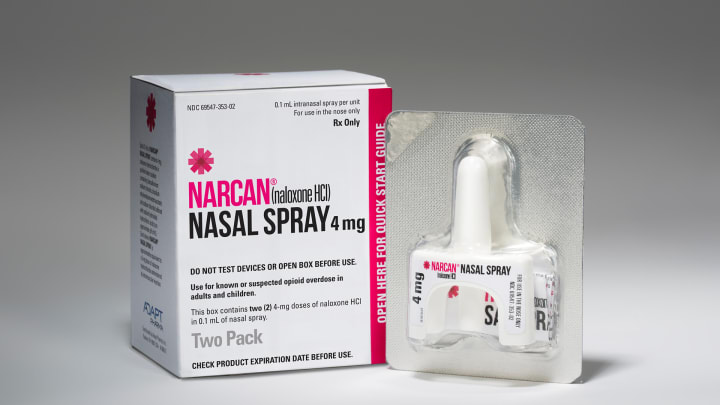
If they're not breathing start CPR, if you have Naloxone present go ahead and administer that to them if it is an opioid overdose. If you are unsure if it’s an opioid overdose and have Naloxone, you can still administer it, it will not harm them; better safe than sorry.
Try to keep the person awake and breathing if you can. You also need to lay them on their side that way if they vomit they won't swallow and choke on it. It’s also important to stay with them until the emergency workers arrive so you can let them know what's going on.
It's very important that you get them help as fast as possible. Substance use disorder and addiction already alter the brain but if someone overdoses and stops breathing it can cause hypoxia brain injury and that can cause coma, seizures, and death.
Long-term effects of hypoxia depend on the amount of time without oxygen in the brain and of course the longer they go without oxygen the worse it can be. Some of the long-term effects of hypoxia are mild to severe impairment of movement, balance, and coordination. Problems with senses such as hearing and vision, problems with spoken and written communication, problems with thinking concentration, and memory. In severe cases, brain injury from overdoses can cause someone to go into a vegetative state.
More than a hundred people die each day from drug overdoses and I'm hoping at least one person can be saved by this article now you have a better understanding of what overdoses is, why people overdose, how to help them, and why it's important to get them help as soon as possible.
If you have found any value in the article, please consider hitting the heart, subscribing to read my future articles, and leaving a tip, all of which would be greatly appreciated. If you know anyone that would find the information in this article valuable, please share it with them. Thanks so much for reading.
About the Creator
Randell Gresham
I am a father and a husband that is working to better himself. I am currently working as a manager at a fast food restraunt but working towards my real estate licence to make a better life for my family and to help others.
Keep reading
More stories from Randell Gresham and writers in Psyche and other communities.
Wild Card Weekend Recap: What Happens Now?
I think I figured out why I love Wild Card Weekend so much. It's because it's the first playoff anything of the calendar year. The NFL season starts in the fall, and once upon a time, the champion was crowned either on or slightly before New Year's. The evolution of the NFL schedule has resulted in the playoffs starting just into the New Year, and currently, the final week of the season falls on the first weekend of the New Year, with Wild Card Weekend coming a week after that. So yes, chronologically, the NFL's Wild Card Weekend serves as the first playoff anything of the calendar year.
By Clyde E. Dawkins6 days ago in Unbalanced



Comments
There are no comments for this story
Be the first to respond and start the conversation.