
Why Humans Find Comfort in Sad Music; The Science and Psychology Behind It
Why do people find comfort in sad music? Explore the science, psychology, and emotional reasons humans are drawn to melancholic songs during difficult moments.

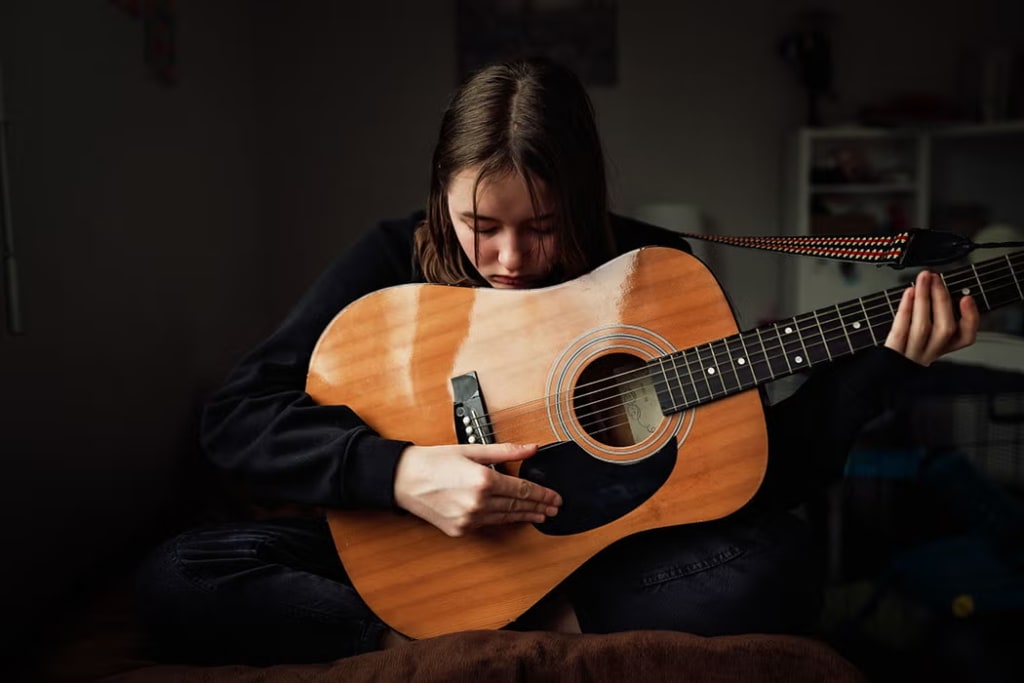
Sad music shouldn’t feel good.
It’s slow.
Melancholic.
Sometimes heartbreaking.
And yet, people seek it out especially during emotional moments.
When life hurts, many of us press play on songs that hurt too.
This isn’t weakness.
It’s human.
The Paradox of Enjoying Sadness:
Sad music creates a strange contradiction.
It makes us feel sorrow but also relief.
Tears might come.
Emotions rise.
But somehow, we feel lighter afterward.
This paradox has fascinated psychologists and neuroscientists for years.
Why would the brain crave sadness?
Sad Music Makes Us Feel Understood:
One of the strongest comforts of sad music is recognition.
It reflects emotions we struggle to explain.
The lyrics say what we can’t.
The melody mirrors how we feel.
In that moment, we’re not alone.
Feeling understood reduces emotional pain even if the emotion itself remains.
The Brain Knows It’s Safe:
Here’s something important.
When listening to sad music, the brain knows the pain isn’t real.
There’s no actual loss.
No real danger.
This creates emotional distance.
We experience sadness without threat a safe version of emotional release.
Why Sad Music Releases Dopamine?
It sounds contradictory, but it’s true.
Sad music can trigger dopamine the brain’s reward chemical.
When music resonates deeply, the brain interprets it as meaningful.
Meaning activates pleasure circuits.
So while the emotion is sad, the experience is rewarding.
Emotional Catharsis Through Sound:
Sad music acts as a container for emotion.
It allows people to:
• cry without explanation
• grieve without judgment
• feel deeply without guilt
This release is called catharsis.
Emotional expression prevents emotional overload.
Why Sad Music Feels Honest?
Happy music often feels performative.
Sad music feels real.
It doesn’t pretend life is easy.
It doesn’t rush resolution.
This honesty builds trust.
And trust creates comfort.
Personality Plays a Role:
Not everyone enjoys sad music equally.
Research suggests that people high in empathy are more drawn to it.
They feel emotions intensely.
Sad music allows them to explore feelings safely and deeply.
The Nostalgia Effect:
Sad music often carries memory.
A voice.
A time.
A place.
These associations intensify emotional experience.
Nostalgia blends sadness with warmth.
Bittersweet but comforting.
Sad Music Helps Regulate Mood:
Counterintuitively, sad music can improve mood.
It validates feelings instead of denying them.
When emotions are acknowledged, they soften.
Ignoring pain prolongs it.
Feeling it safely helps it pass.
Why Sad Music Helps During Loneliness?
Loneliness is not just the absence of people.
It’s the absence of emotional connection.
Sad music offers companionship.
It feels like someone sitting with you in silence.
Not fixing.
Not judging.
Just being there.
The Cultural Acceptance of Sadness in Music:
Music is one of the few places where sadness is welcomed.
In daily life, sadness makes people uncomfortable.
In music, it’s celebrated.
This permission matters.
It gives emotions somewhere to go.
The Difference Between Sadness and Depression:
Sad music doesn’t cause depression.
In many cases, it helps people process emotions.
Depression is numbness.
Sad music often reawakens feeling which is healing, not harmful.
Why We Turn to Sad Music During Change?
People often listen to sad music during transitions.
Breakups.
Loss.
Endings.
Change brings uncertainty.
Sad music helps us sit with what’s ending before moving forward.
The Beauty of Shared Sorrow:
When millions listen to the same sad song, something powerful happens.
Private pain becomes collective.
We realize our emotions are universal.
That shared humanity is comforting.
Sad Music Slows Time:
Sad music invites stillness.
It slows breathing.
Softens attention.
In a rushed world, slowing down feels soothing.
Even when the emotion is heavy.
Why Sad Music Feels Meaningful?
Meaning isn’t always joyful.
Sometimes it’s quiet.
Reflective.
Heavy.
Sad music gives depth to experience.
Depth makes life feel richer.
Final Thoughts :
Humans don’t turn to sad music because they enjoy pain. They turn to it because pain wants to be heard. Sad music gives emotions a language when words fail.
It gives shape to feelings that feel too heavy, too complex, or too private to explain. In a world that constantly tells us to stay positive, move on, and be strong, sad music does something radical it allows us to pause. It tells us it’s okay to feel deeply.
It tells us sadness doesn’t need to be fixed immediately.
It reminds us that sorrow is not a flaw, but a part of being alive. When we listen to sad music, we aren’t sinking into despair.
We are acknowledging reality. And in that acknowledgment, something softens. The comfort doesn’t come from the sadness itself; it comes from feeling understood, accompanied, and emotionally honest. Sad music doesn’t isolate us. It connects us to ourselves.
And through shared melodies and lyrics, it connects us to others who have felt the same quiet ache. Strangely and beautifully, sad music reminds us that we are not alone in our sadness and that reminder, more than happiness itself, is often what heals us.
About the Creator
Zeenat Chauhan
I’m Zeenat Chauhan, a passionate writer who believes in the power of words to inform, inspire, and connect. I love sharing daily informational stories that open doors to new ideas, perspectives, and knowledge.
Keep reading
More stories from Zeenat Chauhan and writers in Psyche and other communities.
My New Book is Finally Here
My poetry collection Beautiful and Brutal Things is done. It's actually done and finally published over 270 pages. Over a year of my life went into this book. More than a year, really. Long days at my computer, sometimes seven days a week because I couldn't stop even when I probably should have. Then two months of editing that felt harder than the writing itself. But it's finished, and I'm still standing, and the book is real.
By Tim Carmichaela day ago in BookClub



Comments
There are no comments for this story
Be the first to respond and start the conversation.