
What is Selective Mutism? Understanding the Basics
What is Selective Mutism? Understanding the Basics
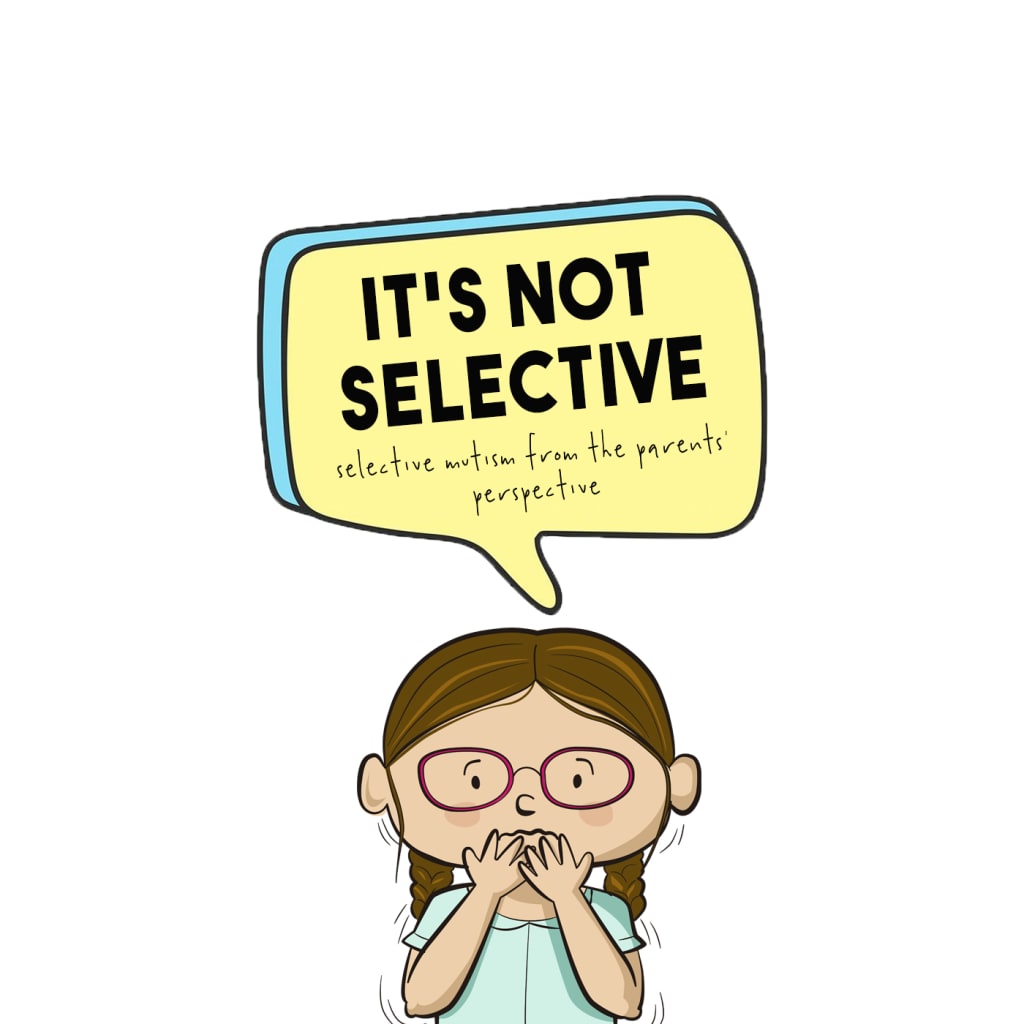
Selective Mutism (SM) is a relatively rare condition that is characterized by a child’s inability to speak in certain social settings, despite being able to communicate freely in others. Children with SM are often able to speak comfortably at home, but struggle to communicate with others outside of the home environment. This can include situations such as school, extracurricular activities, and other social events.
While the exact cause of selective mutism is unknown, experts believe that it may be related to a combination of genetic and environmental factors. Children with a family history of anxiety or other related conditions are more likely to develop selective mutism, as are children who have experienced traumatic or stressful events.
Symptoms of Selective Mutism
The primary symptom of selective mutism is the child’s inability to speak in certain social situations. Other symptoms may include:
Excessive shyness or fear of social situations
Avoidance of social situations
Clinging to a parent or caregiver in social situations
Difficulty making eye contact
Difficulty initiating or maintaining conversations
Inability to communicate with teachers, peers, or other adults outside of the home environment
These symptoms can significantly impact a child’s social and academic development, as well as their ability to form relationships with others. It is important for parents, caregivers, and teachers to be aware of these symptoms and seek treatment if they suspect that a child may be suffering from selective mutism.
Selective Mutism Treatment and Diagnosing
Diagnosing selective mutism can be difficult, as it often goes unnoticed or is mistaken for shyness or social anxiety. If a parent or caregiver suspects that their child may have selective mutism, they should speak with their child’s pediatrician or a mental health professional who specializes in childhood anxiety disorders.
Treatment for selective mutism typically involves a combination of therapy and medication. The most effective form of therapy for selective mutism is cognitive-behavioral therapy (CBT), which helps children to learn coping skills and strategies for managing their anxiety in social situations. This may include role-playing exercises, social skills training, and exposure therapy, which involves gradually exposing the child to the feared social situations in a safe and supportive environment.
In some cases, medication may also be prescribed to help manage the child’s anxiety. This may include selective serotonin reuptake inhibitors (SSRIs) or other medications that are commonly used to treat anxiety disorders.
The goal of treatment for selective mutism is to help children to gradually overcome their anxiety and develop the skills they need to communicate effectively in social situations. With proper treatment and support, the majority of children with selective mutism are able to overcome their symptoms and lead happy, healthy lives.
Tips for Supporting a Child with Selective Mutism
If you are the parent or caregiver of a child with selective mutism, there are several things you can do to help support your child and facilitate their treatment:
Be patient and understanding. Children with selective mutism are not being intentionally stubborn or disobedient. They are experiencing intense anxiety that makes it difficult for them to communicate in certain situations.
Encourage your child to express themselves in other ways. This may include writing, drawing, or using gestures to communicate.
Create a supportive and accepting environment at home. This can help your child to build confidence and feel more comfortable expressing themselves.
Work closely with your child’s treatment team to develop a treatment plan that meets their specific needs.
Celebrate small victories. Overcoming selective mutism is a gradual process, and it is important to acknowledge and celebrate each step along the way.
Conclusion
Selective mutism is a complex and challenging condition that can have a significant impact on a child’s social and academic development. However, with proper treatment and support, the majority of children with selective mutism are able to overcome their symptoms and lead happy, healthy lives. It is important for parents, caregivers, and teachers to be aware of the symptoms of selective mutism and seek professional help if they suspect that a child may be suffering from this condition.
About the Creator
Keep reading
More stories from mental health blog and writers in Psyche and other communities.
The Importance of Self-Care for Partners of Individuals with Bipolar Disorder
Loving someone with mental health issues can be an intense and challenging experience. One of the most common mental health conditions that partners may encounter is bipolar disorder. Bipolar disorder, formerly known as manic-depressive illness, is a mental health condition characterized by extreme mood swings that range from episodes of elevated or manic mood to episodes of depressive mood. Living with someone with bipolar disorder can be stressful, and it is crucial for partners to prioritize self-care to maintain their own physical and mental health.
By mental health blog3 years ago in Psyche
Why Our Brains Remember Negative Experiences More Than Positive Ones
Have you ever noticed that a single criticism can overshadow a dozen compliments? Or that a stressful incident lingers in your memory far longer than a joyful moment? This phenomenon is known as negativity bias, a cognitive tendency where the brain prioritizes negative experiences over positive ones. It’s not a flaw — it’s an evolutionary adaptation that has helped humans survive for thousands of years.
By Games Mode Ona day ago in Psyche



Comments
There are no comments for this story
Be the first to respond and start the conversation.