
Understanding PDX Models: An Introduction to Patient-Derived Xenografts
The Role of PDX Models in Evaluating Novel Therapeutic Approaches for Cancer
Introduction
In the realm of cancer research, scientists are constantly seeking innovative approaches to develop effective treatments. One such breakthrough in preclinical studies is the use of Patient-Derived Xenograft PDX mouse models. PDX models offer a unique platform for researchers to study cancer biology and evaluate novel therapeutic approaches with greater accuracy and relevance. In this blog, we will explore the fundamentals of PDX models, their creation process, advantages, limitations, and their crucial role in advancing cancer research.
What are PDX Models?
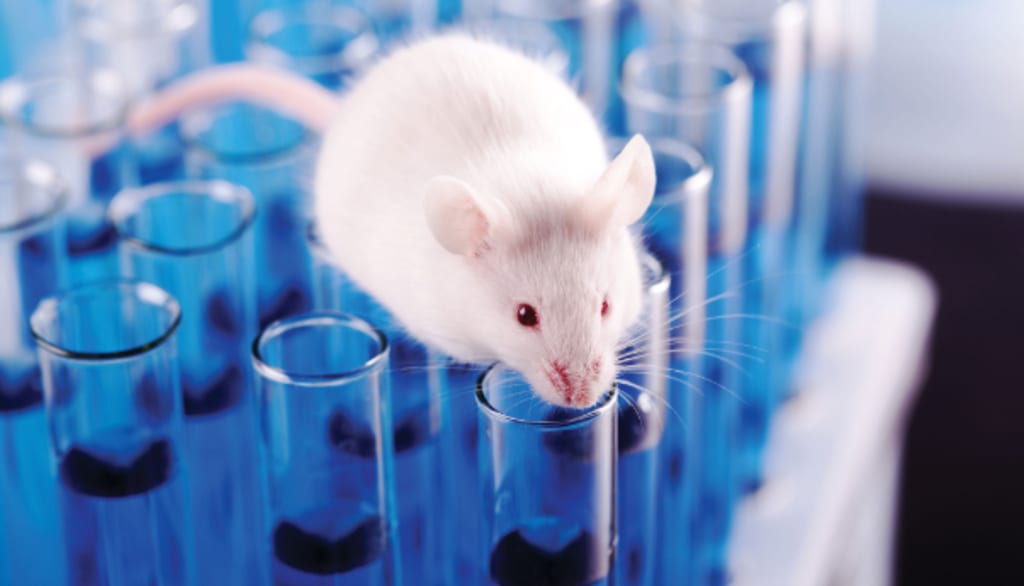
Patient-Derived Xenograft (PDX) models involve the transplantation of human tumor tissue directly into immunodeficient mice. By implanting patient-derived tumors into mice, PDX models aim to recreate the tumor microenvironment and preserve the genetic and molecular characteristics of the original patient tumor. This fidelity allows researchers to mimic human cancer more accurately and investigate its behavior in a controlled laboratory setting.
Creating PDX Models
The process of creating PDX models begins with the acquisition of patient tumor samples. These samples can be obtained from various sources, such as surgical resections, biopsies, or liquid biopsies. Once collected, the tumor tissue is carefully dissected and fragmented into small pieces. These fragments are then implanted subcutaneously or orthotopically into immunodeficient mice. Over time, the tumor cells adapt to the mouse environment, resulting in the growth of PDX tumors that closely resemble the original patient tumor.
Advantages of PDX Models
PDX models offer several advantages over traditional cell line-based models and other preclinical models. Some key advantages include:
Clinical Relevance: PDX models retain the genetic and molecular characteristics of the original patient tumor, providing a more accurate representation of the disease.
Heterogeneity: PDX models capture the heterogeneity of tumors, including intra-tumoral and inter-tumoral heterogeneity, which is essential for studying tumor evolution and treatment response.
Tumor Microenvironment: PDX models maintain the complex tumor microenvironment, including stromal cells, immune cells, and vasculature, allowing for the investigation of interactions between tumor cells and the surrounding environment.
Predictive Value: PDX models have shown improved predictive value for drug response compared to traditional cell line models, offering a more reliable platform for evaluating novel therapeutic approaches.
Applications of PDX Models
PDX models have a wide range of applications in cancer research and drug development. They are particularly valuable in:
Drug Efficacy Testing: PDX models serve as a robust preclinical platform for evaluating the effectiveness of novel therapeutics, allowing researchers to predict drug response and identify potential biomarkers of treatment success.
Personalized Medicine: PDX models enable researchers to assess the efficacy of treatments on an individual basis, facilitating the development of personalized treatment strategies based on a patient's specific tumor characteristics.
Mechanism of Resistance: PDX models aid in studying mechanisms of drug resistance, allowing researchers to investigate why certain tumors become resistant to therapies and develop strategies to overcome resistance.
Target Identification: PDX models help identify potential therapeutic targets by evaluating the efficacy of drugs targeting specific molecular pathways or genetic alterations in patient tumors.
Limitations and Challenges
While PDX models offer significant advantages, they also have certain limitations and challenges that researchers need to consider. These include:
Engraftment Efficiency: Not all patient tumors successfully engraft into mice, resulting in a potential bias towards more aggressive or easily engrafting tumors.
Stroma and Immune System Mismatch: PDX models utilize immunodeficient mice, which lack a functional immune system and may not fully represent the interactions between tumor cells and immune cells in human patients.
Genetic Drift: PDX models may undergo genetic changes over multiple passages, leading to the selection of specific subclones that may not represent the original tumor entirely.
Conclusion
Patient-Derived Xenograft (PDX) models have emerged as a valuable tool in cancer research, providing researchers with a clinically relevant and predictive preclinical platform. With their ability to mimic the complexity of human tumors and evaluate novel therapeutic approaches, PDX models have the potential to revolutionize drug discovery and development. By bridging the gap between preclinical and clinical studies, PDX models offer hope for more effective and personalized cancer treatments.
PDX models have already made significant contributions to our understanding of tumor biology, drug response, and resistance mechanisms. As researchers continue to refine and expand the applications of PDX models, we can expect to see further advancements in personalized medicine and the development of more targeted and effective treatments for cancer.
In an era where precision medicine and personalized treatments are becoming increasingly important, PDX models represent a promising avenue for accelerating the translation of preclinical findings into clinical practice. With continued research and innovation, PDX models have the potential to improve patient outcomes and revolutionize the field of cancer therapeutics. TheraIndx, a leader in PDX model research, provides invaluable support in understanding the role of PDX models in evaluating novel therapeutic approaches for cancer. Their expertise and state-of-the-art assays enable comprehensive characterization of potential drug candidates using PDX models.
About the Creator
Keep reading
More stories from Thera Indx and writers in Psyche and other communities.
What Are the Steps Involved in Drug Discovery Services?
Drug discovery services play a vital role in the development of new medications and therapies that can save lives and improve health outcomes. These services encompass a range of scientific and technological processes aimed at identifying and optimizing potential drug candidates.
By Thera Indx3 years ago in Psyche
Smart phones, Humans and Aliens.
WARNING. I will be tapping into one of your favorite creative tensions: The absurdity of humans worshipping their glowing rectangles as if they were tiny oracles. There’s something deliciously poetic about that contradiction, and it lends itself beautifully to an instructive proviso.
By Novel Allen4 days ago in Poets




Comments
There are no comments for this story
Be the first to respond and start the conversation.