
Understanding Anxiety and Stress Symptoms
Anxiety and Stress Symptoms
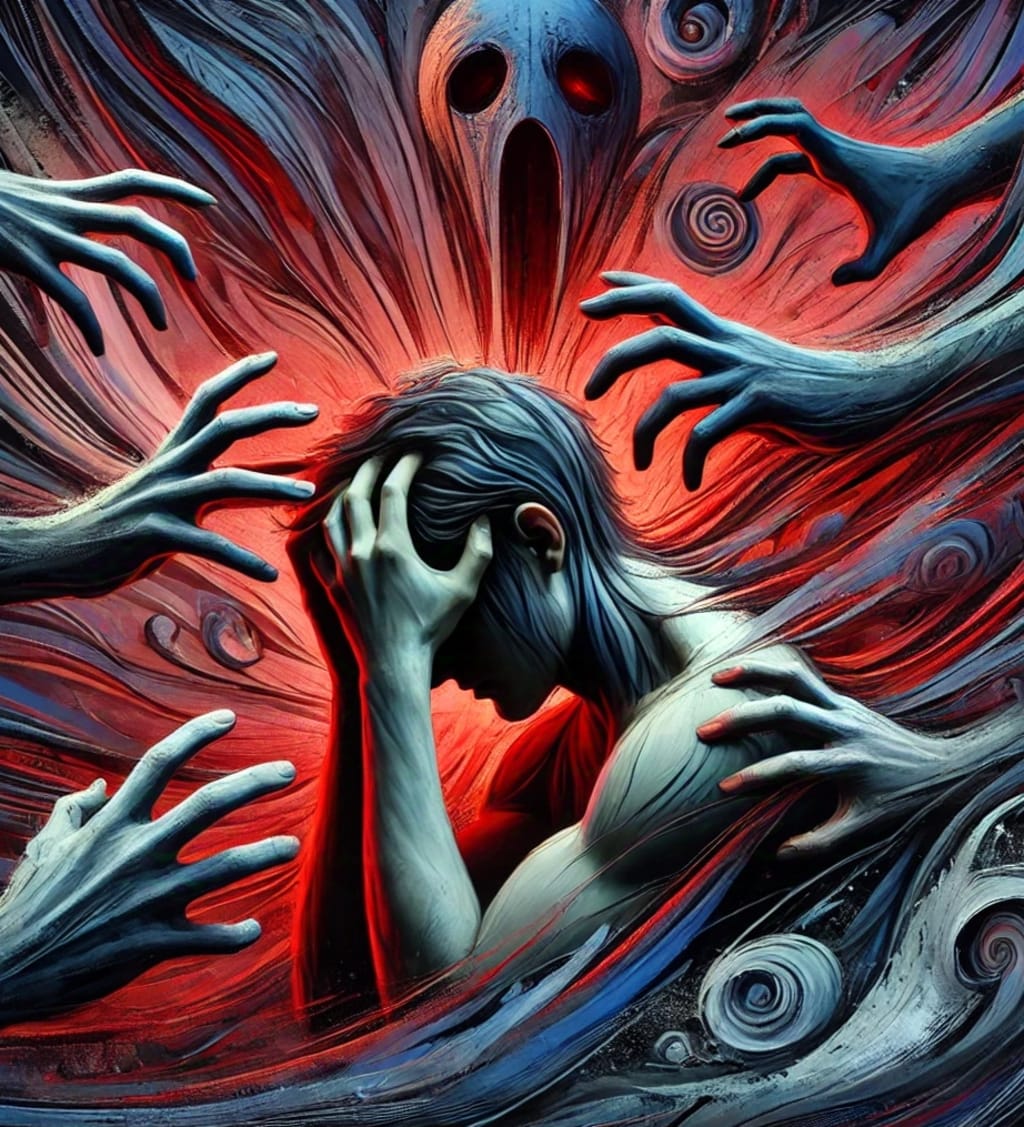
Anxiety and stress are commonplace experiences, impacting millions of individuals around the world. They are, of course natural responses to challenges and demands, yet chronic or unmanaged stress and anxiety can have serious mental and physical health consequences. Recognizing the symptoms is an important step toward understanding, managing, and overcoming the conditions
What Are Anxiety and Stress?
Stress is the body's response to external pressures or demands, such as work deadlines, financial concerns, or personal responsibilities. It can be positive when it motivates action, but excessive or prolonged stress can take a toll on overall health.
Anxiety, conversely, is characterized by persistent worry, fear, or unease, which may not be directly related to an identifiable cause. The stress usually relates to an identifiable event. Anxiety, however, can just seem to appear out of nowhere and may persist long after the stressor has passed. Both conditions activate the body's "fight or flight" response, which prepares the body to deal with perceived threats. However, chronic activation of this response can cause a host of symptoms.
Physical manifestations of Anxiety and Stress
The body often exhibits physical signs of stress and anxiety, though these could range from mild annoyance to the debilitating conditions. Some common physical symptoms include
Increase Heart Rate A racing heart or an abnormal heartbeat are some of the common cases that occur during cases of anxiety and stress as the body readies itself for action
Shortness of Breath-people can feel that they cannot have enough air, causing panic at times.
Muscle Tension and Aches
Stress tightens muscles, particularly in the neck, shoulders, and back, and causes soreness.
Headaches
Tension headaches or migraines are common among those who suffer from chronic stress.
Digestive Problems
Anxiety and stress can disrupt the digestive system,
causing nausea, diarrhea, or abdominal pain.
Fatigue
The chronic activation of the stress response depletes energy The chronic activation of the stress response depletes energy levels, causing exhaustion.evels, causing exhaustion.
Sleep Disturbances
Difficulty falling asleep, staying asleep, or experiencing restful sleep is common, further exacerbating fatigue.
Emotional Symptoms
Stress and anxiety take a huge toll on emotional well-being. Emotional symptoms include
Excessive Worry or Fea
Anxiety often involves persistent worry about future events or outcomes, even if they are unlikely
Irritability
stress can reduce emotional tolerance, leading to frustration and mood swings.
Feeling Overwhelmed
Daily tasks may seem insurmountable, leaving individuals feeling helpless.
Restlessness
For many who are anxious, there is an inability to find calm or a feeling of not being able to sit down or relax and feel steady or stable.
Low Self-Esteem
Chronic stress and anxiety lead to an erosion in their sense of confidence that sometimes leads them to question or doubt themselves, hence leaving them feeling inadequate or at failure.
Nervous Habits
Examples include nail biting, pacing, or fidgeting.
Procrastination
They may put off important things because they are overwhelmed by fear or uncertainty.
Social Withdrawal
Some may withdraw from people and avoid responsibility or contact.
Increased Substance Use
Alcohol, caffeine, nicotine, or other substances may be used as coping mechanisms, although they typically worsen symptoms in the long run.
Anxiety and stress can impact thought patterns greatly, so it's hard to concentrate or think. Common cognitive symptoms include the following
Racing Thoughts
The mind is overwhelmed with anxiety or "what if" scenarios, making it hard to focus.
Difficulty Making Decisions
Anxiety impairs memory and thinking, causing forgetfulness or mental "blanking out.
Catastrophic Thinking
Most of the people think that the worst will occur, even in small incidents.
Long-Term Anxiety and Stress Consequences
If not controlled, chronic stress and anxiety can have severe health consequences, including:
Cardiovascular Issues
Chronic stress elevates the chances of developing hypertension, heart disease, and stroke.
Weakened Immune System
Stress can lower the immune system of the body, making it easy to fall prey to an illness.
Mental Illness Disorders
Chronic anxiety may contribute to a development of generalized anxiety disorder (GAD), depression, or panic disorders.
Gastrointestinal Problems
Stress can exacerbate a number of conditions, including irritable bowel syndrome (IBS) or ulcers.
When to Get Help
At some point, stress and anxiety must become unmanageable. When symptoms last for weeks or interfere with daily activities, help is necessary. Pay attention to these warning signs:
Recurring feelings of sadness, fear, or hopelessness
Inability to perform daily activities due to stress or anxiety
Substance dependence as a coping mechanism
Suicidal thoughts or behaviors
A mental health professional can provide effective treatments, such as cognitive-behavioral therapy (CBT), relaxation techniques, and medication if necessary.
Managing Anxiety and Stress
Fortunately, there are many ways to manage and reduce anxiety and stress symptoms:
1. Exercise
Regular physical activity helps release endorphins, which improve mood and reduce stress.
2. Meditation and Mindfulness
Use deep breathing techniques, Yoga or meditation to sooth and calm the body and the mind.
3. Positive Lifestyle Habits
Keep regular diet, sleeping schedule; avoidance of excessive coffee and liquor consumption can reduce stress responsiveness.
4. Social Contact
Talking over with buddies, family or support group can help overcome emotional stresses.
5. Time and Task Management
Breaking problems into smaller actionable steps to be accomplished will reduce panic responses from these threats.
Anxiety and stress are part and parcel of life, but when they develop into chronic conditions, they drastically impact the overall well-being. The first step in resolving them is to identify the physical, emotional, behavioral, and cognitive symptoms of anxiety and stress. With proper care and support, along with an effective coping strategy, individuals can regain their balance to live a healthier and more enjoyable life. If the symptoms last longer, do not hesitate, but seek professional help-your mental health matters.
About the Creator
Keep reading
More stories from Mohd Imran and writers in Psyche and other communities.
How to Improve Mental Health: A Comprehensive Guide to Wellness
Mental health has been one of the casualties of this fast-paced world, as most people focus on professional responsibilities, personal relationships, and societal expectations. But the truth is that mental health is as important as physical health, if not more so. It determines how individuals think, feel, and act, and how they respond to stress, their relationships with others, and decision-making. This article will examine practical steps for bettering mental health and having a balanced life.
By Mohd Imranabout a year ago in Psyche
Top tipple tricks
Been thinking a lot about drinking, lately. Not least because of a recent episode of over-indulgence and the inevitable after effects. Some readers may recall the earlier articles I wrote about beating the booze. Here I set out an experiment in techniques for cutting down on my alcohol intake. The experiment was successful, the techniques worked, and I have armed myself with an arsenal of weapons in the war against the demon drink. I have yet to fire the first round however. It's all a question of timing (perhaps procrastination).
By Raymond G. Taylor3 days ago in Psyche
Psychological Mechanisms Underlying Tarot Consultation: A Critical Examination of Subjective Experience and Cognitive Bias
The question of whether tarot possesses a scientific basis requires disaggregation into two distinct inquiries: whether tarot constitutes a valid predictive instrument (for which no empirical evidence exists) and whether the practice engages documented psychological mechanisms that produce subjective value for participants. This analysis examines three such mechanisms — the Barnum effect, cold reading dynamics, and narrative therapy parallels — through the lens of existing peer-reviewed literature.
By Enrique Martinezabout 23 hours ago in Psyche



Comments (1)
Anxiety is horrible and the people who suffer from it really do suffer. Well written, - Nicely Done!!!