
The Science Behind Anxiety and How to Manage It
A Comprehensive Look at the Causes, Symptoms, and Effective Treatments for Anxiety Disorders

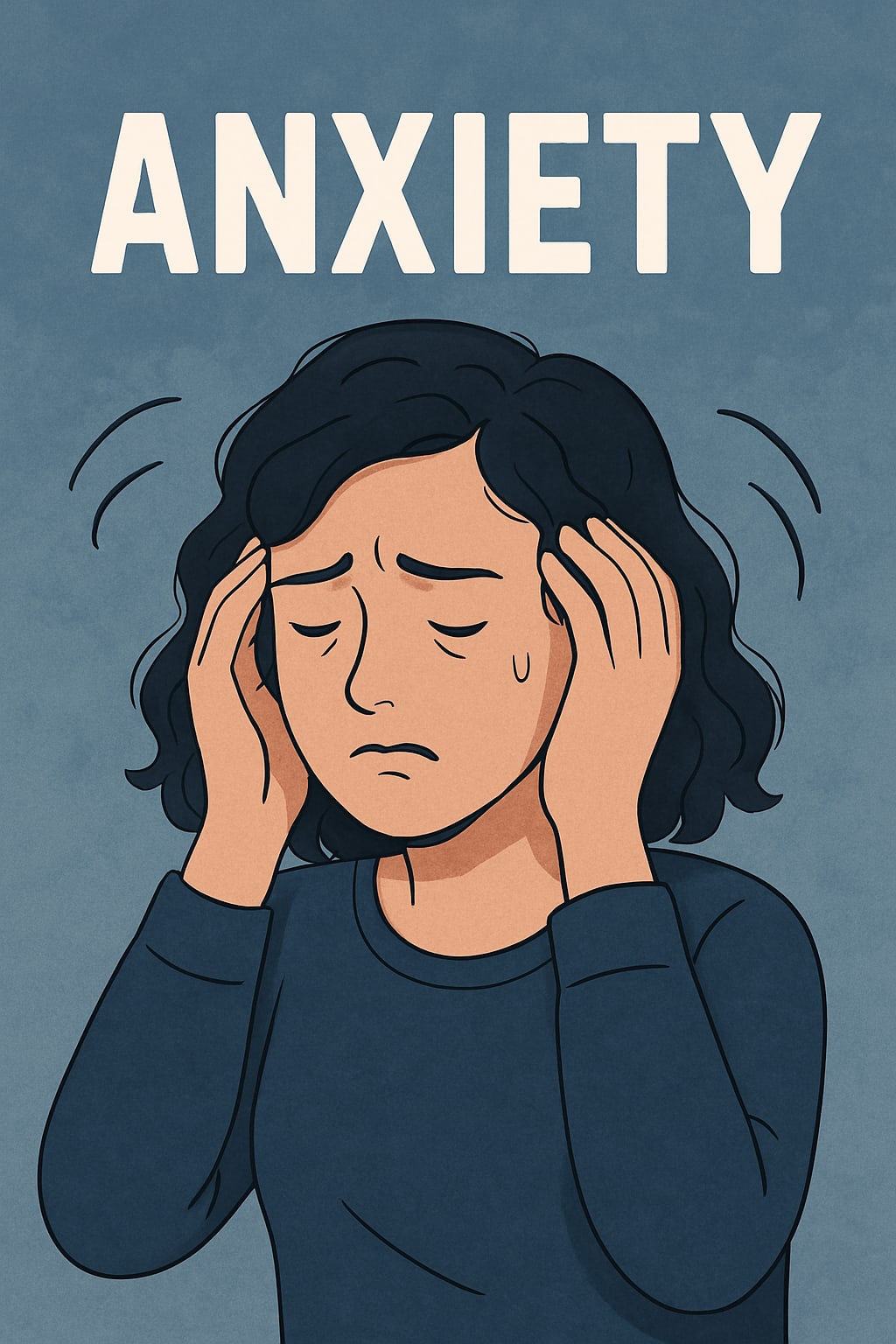
Anxiety is a universal human emotion. It alerts us to danger, keeps us focused, and motivates us to take action. However, for millions of people around the world, anxiety becomes more than just an occasional response to stress—it becomes a chronic and overwhelming condition that interferes with everyday life. In this article, we dive into the science behind anxiety, explore what causes it, how it manifests, and most importantly, how it can be effectively managed.
⸻
What Is Anxiety?
Anxiety is your body’s natural reaction to stress or perceived danger. It’s part of the body’s “fight or flight” response, which prepares us to deal with threats. In small doses, anxiety is helpful—it helps us stay alert in risky situations, meet deadlines, or prepare for challenges. However, when this feeling becomes excessive, uncontrollable, or persists without a clear cause, it may indicate an anxiety disorder.
Anxiety disorders are among the most common mental health conditions, affecting an estimated 301 million people worldwide according to the World Health Organization. These disorders can include generalized anxiety disorder (GAD), panic disorder, social anxiety disorder, phobias, and obsessive-compulsive disorder (OCD).
⸻
The Brain and Biology Behind Anxiety
Anxiety has a clear biological foundation. The amygdala, a small almond-shaped part of the brain, plays a key role in processing fear and emotional responses. When faced with a stressor, the amygdala sends signals to other parts of the brain, activating the hypothalamus and setting off a cascade of hormones like cortisol and adrenaline. These hormones raise your heart rate, tense your muscles, and sharpen your senses—all part of the body’s ancient survival system.
Research also highlights the role of neurotransmitters such as:
• Serotonin – helps regulate mood and social behavior
• GABA (gamma-aminobutyric acid) – acts as a calming agent in the brain
• Dopamine – involved in motivation and pleasure
Imbalances in these chemicals can lead to heightened anxiety and difficulty regulating emotional responses.
⸻
Causes and Risk Factors
The development of an anxiety disorder is usually influenced by a combination of genetic, psychological, and environmental factors. Some common causes include:
• Genetics: A family history of anxiety or mood disorders increases susceptibility.
• Brain Chemistry: Neurochemical imbalances can make individuals more prone to anxiety.
• Personality Traits: Highly sensitive or perfectionist individuals may be more likely to develop anxiety.
• Trauma and Life Events: Past abuse, neglect, or significant stress can trigger long-term anxiety responses.
• Medical Issues: Chronic illnesses, hormonal imbalances, or substance use can mimic or exacerbate symptoms.
⸻
the Symptoms
Anxiety symptoms can vary from mild to severe and affect both the body and mind. Common symptoms include:
• Persistent and excessive worry
• Racing thoughts
• Feeling restless or on edge
• Fatigue and sleep disturbances
• Muscle tension
• Increased heart rate and rapid breathing
• Sweating or trembling
• Nausea or stomach discomfort
Social anxiety might present as fear of judgment or embarrassment, while panic disorder involves sudden, intense episodes of fear that can feel like a heart attack.
⸻
How to Manage Anxiety Effectively
The good news is that anxiety disorders are highly treatable. The most effective treatments typically involve a combination of therapy, lifestyle changes, and, in some cases, medication.
1. Cognitive Behavioral Therapy (CBT)
CBT is one of the most well-researched and effective forms of therapy for anxiety. It focuses on identifying and changing negative thought patterns and behaviors that fuel anxiety.
2. Medication
Antidepressants like SSRIs (e.g., fluoxetine, sertraline) and SNRIs are commonly prescribed. In more severe cases, benzodiazepines may be used for short-term relief. Always consult a doctor before starting any medication.
3. Mindfulness and Relaxation
Mindfulness meditation, deep breathing exercises, progressive muscle relaxation, and yoga have been shown to lower anxiety levels by calming the nervous system.
4. Lifestyle Modifications
Regular physical activity, a nutritious diet, and adequate sleep significantly reduce anxiety symptoms. Reducing caffeine, alcohol, and sugar intake also helps regulate mood.
5. Social Support
Talking with friends, joining support groups, or attending therapy sessions can help people feel less isolated and more understood.
⸻
When to Seek Help
If anxiety disrupts your work, relationships, or day-to-day life, or if symptoms persist for more than six months, it’s crucial to seek professional help. Early intervention leads to better long-term outcomes and can prevent the condition from worsening.
⸻
Final Thoughts
Anxiety is not a sign of weakness or something to be ashamed of. It is a real, medical condition that affects people from all walks of life. By understanding the biological, psychological, and social factors that contribute to anxiety—and by exploring the wide range of effective treatment options—those affected can find hope and reclaim control of their lives.
About the Creator
Niaz Ahmad
Writer with a passion for learning and sharing.You'll find articles here on everything that sparks my interest.
Keep reading
More stories from Niaz Ahmad and writers in Psyche and other communities.
“Your Mind Matters: Easy Ways to Improve Mental Health”
Mental health is just as important as physical health, yet it’s often overlooked or misunderstood. Our minds have a powerful impact on how we think, feel, and act. While physical health is frequently prioritized, mental health often takes a back seat. The good news is that improving mental health doesn’t require complex solutions or dramatic changes. With small, consistent actions, you can significantly boost your mental well-being and lead a happier, healthier life.
By Niaz Ahmad 9 months ago in Humans
Christmas is Not Always “Beer and Skittles”
If you find the holiday season challenging, you’re not alone. I have never been a big fan of Christmas. I have always found it a bit pretentious. It is a time for kids, really. I have not had kids in my life, so the "children's influence" around this time of year doesn’t occur.
By Calvin London24 days ago in Psyche
Beyond the Doll: Moving from Token Gestures to Real Support for Autistic People
This week, Barbie announced the release of a new autistic Barbie doll, aiming to increase visibility and acceptance for autistic individuals. While the intention is commendable, it raises important questions about whether symbolic gestures like this truly address the needs of autistic people. Research and lived experience suggest that meaningful representation and concrete support in society are far more impactful than launching a product labelled as “inclusive”.
By Sarah Xenosa day ago in Psyche
A Dart at Dusk
Seconds ago, the sullen sun set on the two of us… my exuberant furry companion and me. A fresh breeze embraces us, delivering welcome relief from the day’s oppressive heat. His typical stumbling and staggering along — apace with a sloth — has turned into trip-trapping, high-stepping, almost skipping along.
By Angie the Archivist 📚🪶2 days ago in Petlife


Comments (1)
This is such an informative deep dive into anxiety—thank you for breaking it down so clearly.