
The Role of Family and Friends in Supporting a Loved One with an Eating Disorder
The Role of Family and Friends in Supporting a Loved One with an Eating Disorder
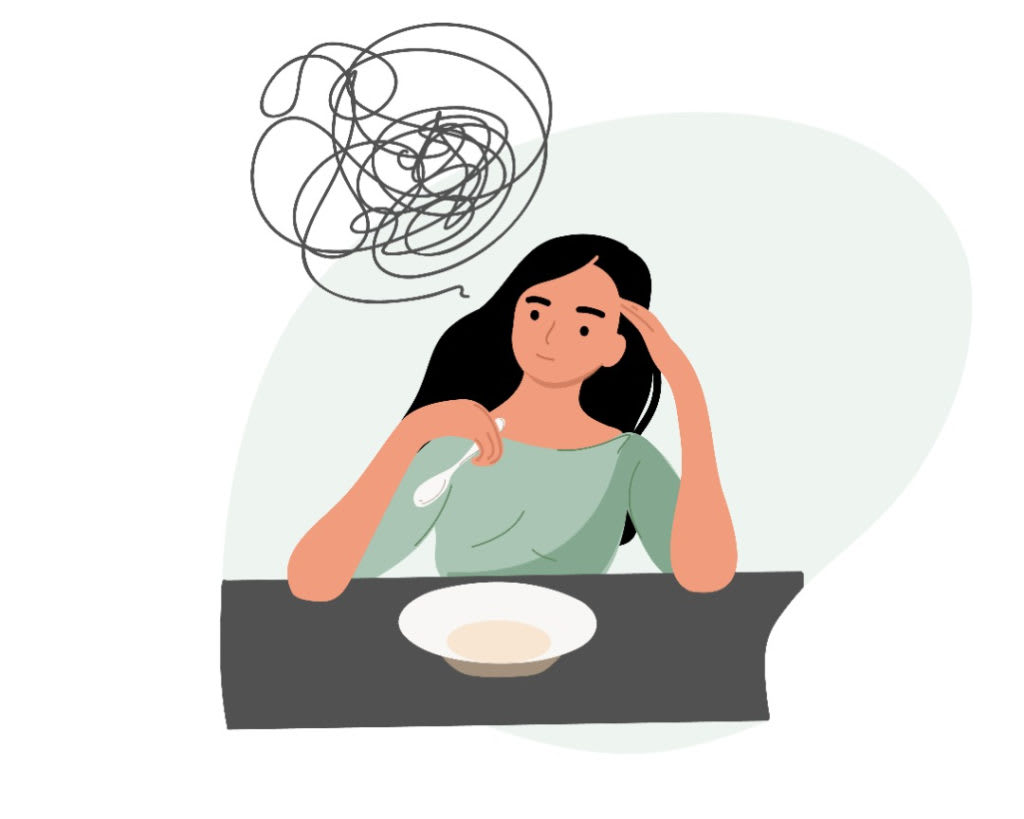
Eating disorders can be a difficult and complex issue to deal with. It can be challenging for both the person experiencing the eating disorder and their loved ones. Eating disorders can be life-threatening, and seeking professional help is crucial. However, the role of family and friends in supporting a loved one with an eating disorder cannot be overstated. Their love, support, and encouragement can make a significant difference in the recovery process. This article will explore the role of family and friends in supporting a loved one with an eating disorder, and the importance of involving a mental health therapist in the process.
Understanding Eating Disorders
Eating disorders are mental health condition that affects a person's relationship with food and their body. The most common types of eating disorders are anorexia nervosa, bulimia nervosa, and binge-eating disorder. Individuals with anorexia nervosa restrict their food intake, while individuals with bulimia nervosa engage in cycles of binge eating and purging. Binge-eating disorder is characterized by consuming large amounts of food in a short period, often feeling out of control during binge episodes.
Eating disorders can lead to severe physical and psychological consequences. Individuals with eating disorders may experience malnutrition, dehydration, electrolyte imbalances, and other health issues. They may also struggle with low self-esteem, anxiety, depression, and other mental health problems.
The Role of Family and Friends in Supporting a Loved One with an Eating Disorder
The support and involvement of family and friends are essential in the recovery process of a person with an eating disorder. Here are some ways that family and friends can support their loved ones:
Educate Yourself: One of the best ways to support someone with an eating disorder is to educate yourself about the condition. Learn about the signs and symptoms, the effects on physical and mental health, and the available treatments. Understanding what your loved one is going through can help you provide better support.
Provide a Safe Environment: Eating disorders are often accompanied by feelings of shame, guilt, and fear. Creating a safe environment for your loved one can help them feel more comfortable and less isolated. Avoid criticizing their eating habits or appearance and instead focus on providing encouragement and support.
Be a Good Listener: Sometimes, all someone needs is someone to listen to them. Encourage your loved one to share their thoughts and feelings with you. Listen to them without judgment and try to understand their perspective. Let them know that you are there for them and that you care about them.
Encourage Professional Help: Eating disorders are complex mental health conditions that require professional help. Encourage your loved one to seek help from a mental health therapist who specializes in eating disorders. A mental health therapist can provide individual therapy, group therapy, and other forms of support to help your loved one overcome their eating disorder.
Practice Self-Care: Supporting someone with an eating disorder can be emotionally draining. Make sure to take care of your own mental and physical health as well. Take breaks when you need to, seek support from other friends or family members, and practice self-care activities that help you recharge.
The Importance of Involving a Mental Health Therapist
While the support of family and friends is crucial, a mental health therapist can provide specialized care that is essential for the recovery process. Here are some ways that a mental health therapist can help:
Assess and Diagnose: A mental health therapist can assess your loved one's symptoms and diagnose their eating disorder. They can also evaluate any co-occurring mental health conditions that may be present.
Develop a Treatment Plan: A mental health therapist can develop a personalized treatment plan for your loved one that addresses their specific needs. Treatment plans may include individual therapy, group therapy, nutritional counseling, and other forms of support that are essential for the recovery process.
Provide Evidence-Based Treatment: Mental health therapists who specialize in eating disorders have training and expertise in evidence-based treatments. These treatments are proven to be effective in treating eating disorders, such as cognitive-behavioral therapy (CBT) and family-based therapy (FBT). A mental health therapist can tailor these treatments to meet your loved one's individual needs.
Monitor Progress: A mental health therapist can monitor your loved one's progress throughout their recovery journey. They can track changes in their symptoms, assess their mental health, and make adjustments to the treatment plan as needed.
Provide Emotional Support: Recovery from an eating disorder can be emotionally challenging. A mental health therapist can provide emotional support to your loved one and help them develop coping strategies to manage difficult emotions.
Help with Relapse Prevention: Eating disorders can have a high rate of relapse, and it's essential to have a plan in place to prevent relapse. A mental health therapist can help your loved one develop relapse prevention strategies and provide ongoing support to help them maintain their recovery.
Conclusion
Eating disorders are complex mental health conditions that require specialized care. While the support of family and friends is essential, it's crucial to involve a mental health therapist in the recovery process. A mental health therapist can provide evidence-based treatment, monitor progress, and provide emotional support to help your loved one overcome their eating disorder. By working together, you can create a supportive environment that promotes recovery and helps your loved one reclaim their health and well-being.
About the Creator
Keep reading
More stories from sanidhya sawant and writers in Psyche and other communities.
The Role of Nicotine in Tobacco Addiction and its Effect on the Brain
Tobacco addiction is a severe problem that affects millions of people worldwide. Nicotine, an alkaloid compound present in tobacco, is responsible for the addictive properties of tobacco. Nicotine addiction is one of the most challenging addictions to overcome, and it is associated with numerous negative health effects. In this article, we will explore the role of nicotine in tobacco addiction and its effect on the brain. We will also discuss the importance of de-addiction centers in helping individuals overcome nicotine addiction.
By sanidhya sawant3 years ago in Psyche




Comments
There are no comments for this story
Be the first to respond and start the conversation.