
The Psychology of Color:
How Different Shades Impact Our Emotions and Behavior
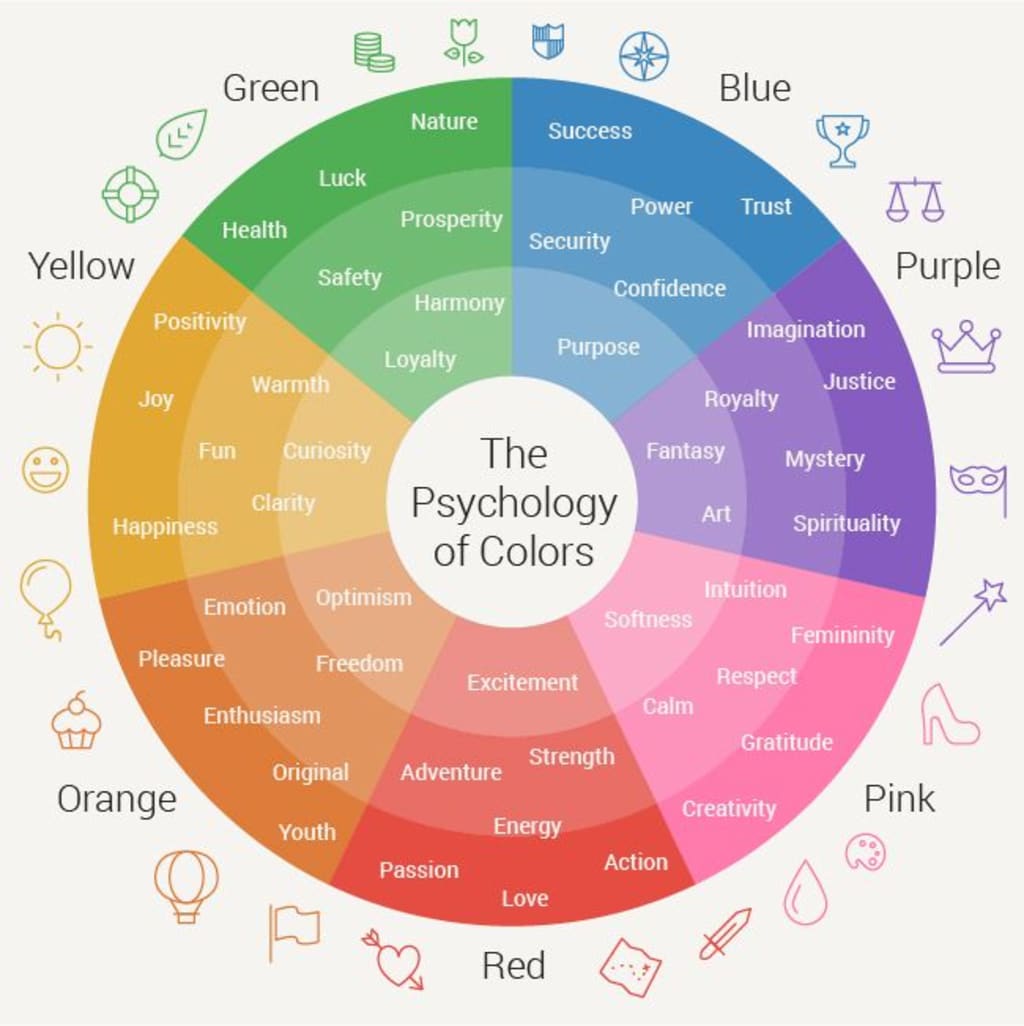
Color has a profound effect on how we perceive and interact with the world around us. From the clothes we wear to the logos we associate with brands, color plays a crucial role in shaping our emotions, behavior, and overall perception of the environment.
Research has shown that different colors can evoke a wide range of emotions and reactions. For instance, red is known to increase energy, passion, and excitement, while blue is associated with calmness, trust, and reliability. Understanding how different shades impact our emotions and behavior can help us harness the power of color to communicate more effectively, connect with others, and create a more positive environment.
Red is a powerful color that is known to increase heart rate, blood pressure, and respiration. It is often associated with passion, energy, and excitement, making it a popular choice for brands in the food and beverage industry. Red is also associated with danger and warning, as seen in stop signs and caution labels.
Blue is considered a cool color that promotes relaxation, calmness, and trust. It is often used in healthcare settings, as it can have a calming effect on patients. Blue is also associated with the sky and the ocean, making it a popular choice for businesses related to travel and the outdoors.
Green is a versatile color that evokes feelings of nature, growth, and harmony. It is often associated with environmentalism, health, and growth, making it a popular choice for businesses in the agriculture, food, and wellness industries. Green is also known for its calming effect and is often used in interior design to create a sense of relaxation and tranquility.
Yellow is a warm and cheerful color that promotes optimism, creativity, and happiness. It is often associated with sunshine, making it a popular choice for brands related to energy, warmth, and fun. Yellow can also be overwhelming when used in excess, so it's important to use it sparingly in designs and marketing materials.
Purple is a rich and luxurious color that evokes feelings of royalty and sophistication. It is often associated with wealth, power, and spirituality, making it a popular choice for high-end brands and luxury items. Purple can also be associated with creativity and imagination, making it a popular choice for artistic brands.
Orange is a bright and energetic color that is known to promote enthusiasm, excitement, and vitality. It is often associated with warmth, creativity, and friendliness, making it a popular choice for brands in the food, beverage, and fashion industries. Orange can also be used to create a sense of urgency, such as in clearance sales or "limited time" offers.
Pink is a soft and feminine color that is known to promote gentleness, sweetness, and romance. It is often associated with love, care, and tenderness, making it a popular choice for bridal and baby-related brands. Pink can also be used to create a sense of fun and playfulness, making it a popular choice for children's products and services.
Black is a sophisticated and elegant color that evokes feelings of power, authority, and mystery. It is often associated with luxury and high-end brands, making it a popular choice for fashion and beauty products. Black can also be used to create a sense of danger or warning, such as in caution labels and safety signage.
White is a neutral and pure color that evokes feelings of cleanliness, simplicity, and innocence. It is often associated with healthcare, hygiene, and purity, making it a popular choice for brands in the medical and beauty industries. White can also be used to create a sense of simplicity and minimalism, such as in minimalist home decor and website design.
In conclusion, understanding the psychology of color can have a significant impact on how effectively we communicate and connect with our audience. By choosing the right shades that evoke the emotions and behaviors we desire, we can create a more
About the Creator
Keep reading
More stories from Katherine Kayz and writers in Psyche and other communities.
Unlocking the Secrets of Healthy Skin:
The importance of skincare cannot be overstated. Our skin is the largest organ in the body, and it serves as a barrier to protect us from environmental stressors, sun damage, and other harmful factors. However, with age, our skin cell turnover rate slows down, making it harder for our skin to renew and regenerate. This leads to dryness, wrinkles, dark spots, and other signs of aging. That's why it's essential to take care of our skin daily. Here are some tips for achieving healthy, glowing skin:
By Katherine Kayz3 years ago in Blush
Top tipple tricks
Been thinking a lot about drinking, lately. Not least because of a recent episode of over-indulgence and the inevitable after effects. Some readers may recall the earlier articles I wrote about beating the booze. Here I set out an experiment in techniques for cutting down on my alcohol intake. The experiment was successful, the techniques worked, and I have armed myself with an arsenal of weapons in the war against the demon drink. I have yet to fire the first round however. It's all a question of timing (perhaps procrastination).
By Raymond G. Taylor3 days ago in Psyche
The 'Zero Tolerance' World
It has occurred to me recently that the amount of 'zero tolerance' posters in shops, restaurants and cafes has increased. So what is a 'zero tolerance' poster? It is a poster that states that there is zero tolerance in said establishment of abuse towards members of staff. That the abuse will be treated with police intervention and that there may also be criminal prosecution where necessary. I may not go out and about often but I have noticed a massive increase in these signs basically stating 'please don't beat up our staff' as if someone is going to go in to punch in the head of the Starbucks barista, sees the sign and rethinks his/her stance. I think body cams might be a better deterrent or even allowing the member of staff to retaliate in an appropriate manner. People are less likely to smack the Starbucks barista if they find out that the woman making their coffee has a black belt in some ancient martial arts and is allowed to put their knowledge to good use.
By Annie Kapurabout 24 hours ago in Psyche



Comments
There are no comments for this story
Be the first to respond and start the conversation.