
The Physical Consequences of Eating Disorders: Medical Complications and Long-Term Effects
The Physical Consequences of Eating Disorders: Medical Complications and Long-Term Effects
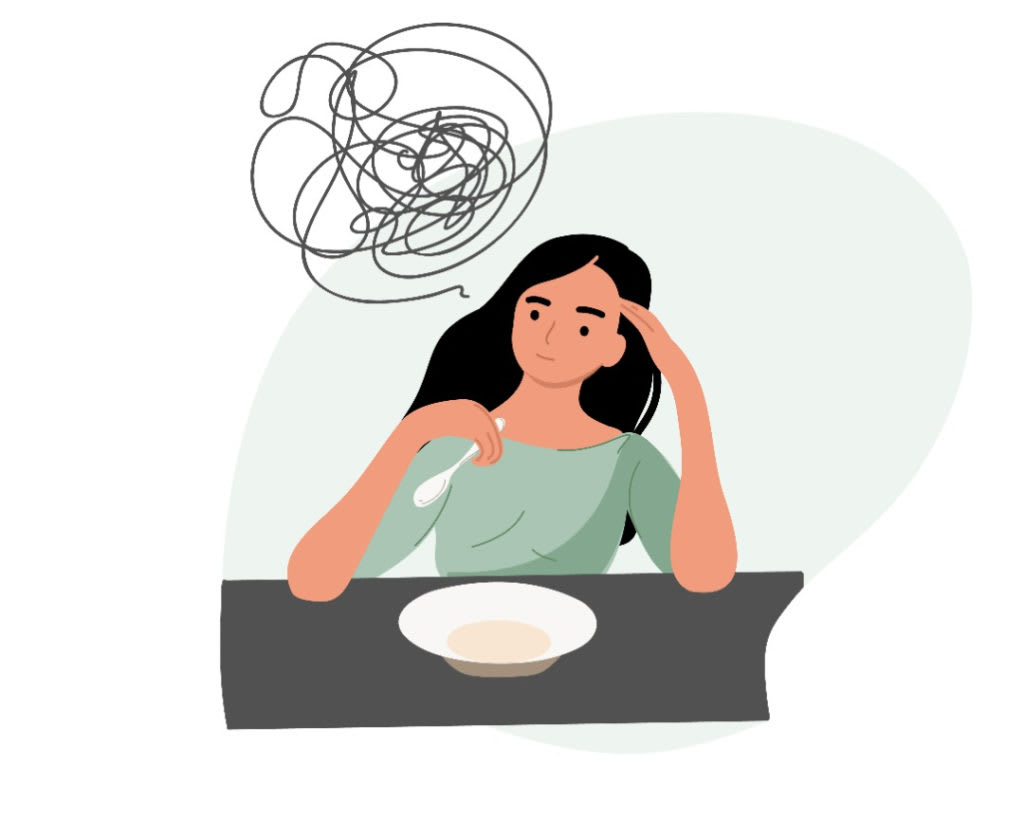
Eating disorders are serious mental health conditions that can have severe physical consequences. These consequences can lead to long-term health problems that can be life-threatening. The physical effects of eating disorders can vary depending on the type of eating disorder and the severity of the condition. In this article, we will discuss the physical consequences of eating disorders, including medical complications and long-term effects, and how online mental health care can help.
Types of Eating Disorders and Their Physical Consequences
There are three main types of eating disorders: anorexia nervosa, bulimia nervosa, and binge-eating disorder. Each of these eating disorders has its own physical consequences.
Anorexia Nervosa
Anorexia nervosa is characterized by a severe restriction of food intake and a fear of gaining weight. Some of the physical consequences of anorexia nervosa include:
Malnutrition: Severe food restriction can lead to malnutrition, which can cause fatigue, weakness, and impaired immune function.
Gastrointestinal Problems: Anorexia nervosa can cause gastrointestinal problems such as constipation, bloating, and abdominal pain.
Cardiovascular Complications: Anorexia nervosa can cause heart problems such as a slow heart rate, low blood pressure, and an irregular heartbeat.
Osteoporosis: Anorexia nervosa can cause a loss of bone density, which can lead to osteoporosis and an increased risk of fractures.
Bulimia Nervosa
Bulimia nervosa is characterized by cycles of binge eating and purging. Some of the physical consequences of bulimia nervosa include:
Dental Problems: Frequent vomiting can cause dental problems such as erosion of tooth enamel and cavities.
Gastrointestinal Problems: Bulimia nervosa can cause gastrointestinal problems such as acid reflux, bloating, and constipation.
Electrolyte Imbalances: Purging can cause electrolyte imbalances, which can lead to muscle weakness, seizures, and heart problems.
Dehydration: Purging can cause dehydration, which can lead to dry skin, dizziness, and fainting.
Binge-Eating Disorder
Binge-eating disorder is characterized by consuming large amounts of food in a short period, often feeling out of control during the binge episodes. Some of the physical consequences of binge-eating disorder include:
Obesity: Binge-eating disorder can cause obesity, which can lead to a host of health problems such as diabetes, high blood pressure, and heart disease.
Gastrointestinal Problems: Binge-eating disorder can cause gastrointestinal problems such as bloating, constipation, and acid reflux.
Cardiovascular Complications: Binge-eating disorder can cause heart problems such as high blood pressure, high cholesterol, and an increased risk of heart disease.
Type 2 Diabetes: Binge-eating disorder can increase the risk of developing type 2 diabetes.
Medical Complications and Long-Term Effects of Eating Disorders
Eating disorders can have severe medical complications and long-term effects. Here are some of the medical complications and long-term effects of eating disorders:
Impaired Immune Function: Malnutrition and other physical consequences of eating disorders can impair immune function, making individuals more susceptible to infections and illnesses.
Infertility: Eating disorders can lead to infertility in both men and women.
Cognitive Problems: Malnutrition can lead to cognitive problems such as memory loss, confusion, and difficulty concentrating.
Organ Damage: Eating disorders can cause damage to the heart, liver, kidneys, and other organs, which can lead to long-term health problems.
Death: Eating disorders can be life-threatening, and in severe cases, can lead to death.
Online Mental Health Care for Eating Disorders
The physical consequences of eating disorders can be severe, and it's important to seek professional help as soon as possible. Online mental health care can be a convenient and effective way to access the support and treatment needed to overcome an eating disorder.
Online mental health care offers a range of services, including:
Online therapy: Online therapy allows individuals to work with a mental health professional from the comfort of their own home. Online therapy can be just as effective as in-person therapy and can provide a safe and supportive environment to address the underlying causes of the eating disorder.
Support groups: Online support groups can be a helpful way to connect with others who are going through similar experiences. Support groups provide a sense of community and can help individuals feel less isolated.
Nutritional counseling: Nutritional counseling can help individuals develop a healthy and balanced diet, which is essential for recovery from an eating disorder.
Medical monitoring: Online mental health care providers can work with medical professionals to monitor the physical health of individuals with eating disorders and ensure they receive appropriate medical care.
Benefits of Online Mental Health Care for Eating Disorders
There are many benefits to accessing online mental health care for eating disorders, including:
Convenience: Online mental health care allows individuals to receive treatment from the comfort of their own home, making it easier to fit treatment into their busy schedules.
Accessibility: Online mental health care can be accessed from anywhere with an internet connection, making it more accessible to those who live in remote areas or who have mobility issues.
Anonymity: Online mental health care can provide a sense of anonymity, which can be helpful for individuals who feel self-conscious about seeking treatment for an eating disorder.
Flexibility: Online mental health care offers a range of services, including therapy, support groups, and nutritional counseling, which can be tailored to meet the individual needs of each person.
Conclusion
Eating disorders can have severe physical consequences and can lead to long-term health problems. It's important to seek professional help as soon as possible to ensure the best possible outcome. Online mental health care can be a convenient and effective way to access the support and treatment needed to overcome an eating disorder. Whether you're seeking therapy, support groups, or nutritional counseling, online mental health care offers a range of services that can be tailored to meet your individual needs. With the right support, it's possible to overcome an eating disorder and reclaim your health and well-being.
About the Creator
Keep reading
More stories from sanidhya sawant and writers in Psyche and other communities.
The Role of Family and Friends in Supporting a Loved One with an Eating Disorder
Eating disorders can be a difficult and complex issue to deal with. It can be challenging for both the person experiencing the eating disorder and their loved ones. Eating disorders can be life-threatening, and seeking professional help is crucial. However, the role of family and friends in supporting a loved one with an eating disorder cannot be overstated. Their love, support, and encouragement can make a significant difference in the recovery process. This article will explore the role of family and friends in supporting a loved one with an eating disorder, and the importance of involving a mental health therapist in the process.
By sanidhya sawant3 years ago in Psyche
Society Often Teaches Us to Suppress Our Sad Feelings, Branding Them as Negative.
Allow yourself the time to feel, process, and let go. What a journey we’ve traveled together. You can relate to that pain that appears out of nowhere and wants to linger in our minds. Once fear moves in, it takes root—spreading doubt, loneliness, and confusion It’s that kind of pain that overtakes your mental health, gradually making a home within you. Your thoughts can create a space filled with fear, a feeling that we often cling to because it’s the one our minds use against us—leading to a fierce battle between your thoughts and your feelings. It’s a struggle no one wants to lose, yet losing yourself feels like an ever-present threat. Isn’t that a trick life plays on us?
By Johana Torres23 days ago in Psyche
Mirror, Mirror - Who Do You See?
Hey, how are you feeling today? Have you taken some time for yourself today? If you are a trauma survivor, the answer is probably not. As survivors, the last person we think about is ourselves because we have spent years being suppressed into believing that we don't exist, that we are nothing, and that we deserve nothing.
By Elizabeth Woods4 days ago in Psyche


Comments
There are no comments for this story
Be the first to respond and start the conversation.