
The Link Between Insomnia and Other Health Conditions
How Insomnia Affects More Than Just Your Sleep
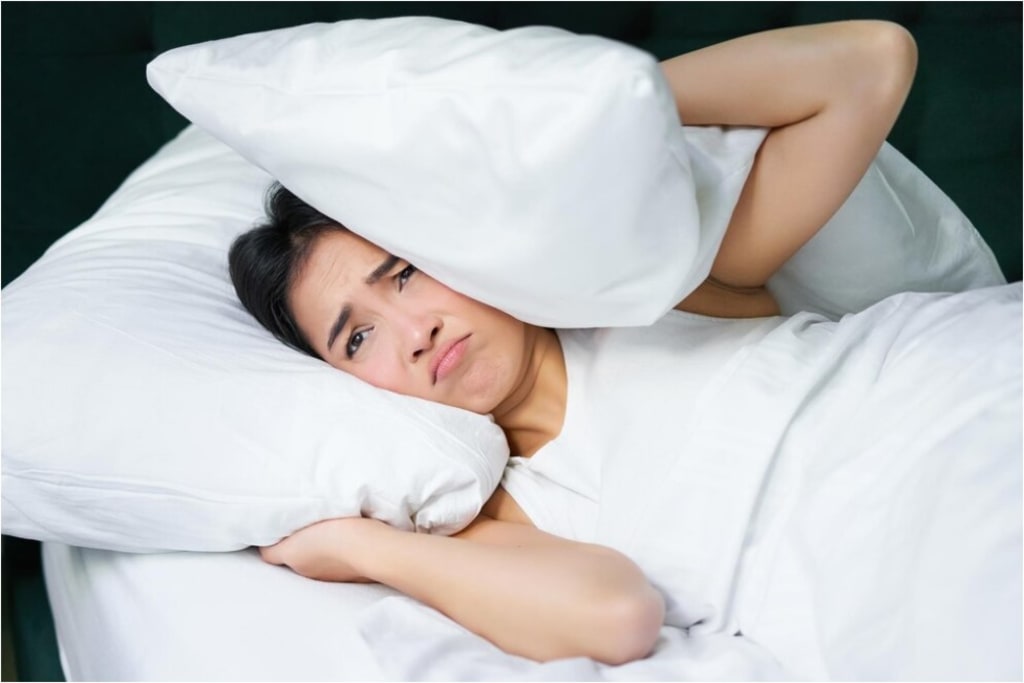
Sleep is critical for mental, physical, and overall well-being. Many people have insomnia and are unaware of how closely it is intertwined with other health conditions. Learning about these interrelationships can have a big impact and enable you to discover effective ways to enhance overall health.
How Insomnia Affects More Than Just Your Sleep
Think of insomnia like a wrench being placed into your well-kept machine. Almost every system in your body is impacted by sleep deprivation. Your body uses sleep to repair damaged tissue, increase immunity, control hormones, and store memories for later use.
Without sleep, these processes are stalled or remain incomplete. You can see immediate symptoms such as a mental fog or slow reaction times, but its impact runs deeper. Your system starts to fail, which results in a buildup of blood sugar. This can cause problems and contribute to weight gain. Cortisol, your body's stress hormone, can remain elevated for extended periods of time, leaving you feeling mentally spent and worn out.
Even your skin can show signs of poor sleep through increased inflammation and slow healing. Many report a variety of symptoms, such as ongoing headaches, increased sensitivity to pain, or gastrointestinal symptoms, which may not necessarily be linked with sleep disorders. Your cardiovascular system also suffers, as poor sleep contributes to high blood pressure and heart arrhythmia. That is why sleep is important, and solutions such as in-person and online insomnia treatment can help improve the quality of rest.
The Hidden Link Between Insomnia and Mental Health
Sleep and mental well-being are correlated as they have a significant impact on each other. Poor sleep doesn't just make you grumpy and inattentive – it can impair your brain’s ability to function well in processing feelings and dealing with stress. It's been shown that poor sleep can heighten anxiety by 30%, and long-term insomnia comes with a high chance of depression. Most don't even realize that a whizzing brain at bedtime can be a sign of hidden anxiety or that a low, lingering mood can be the result of long-term sleep loss. The brain's emotion processing region, the amygdala, overreacts when sleep-deprived, causing you to become more emotionally reactive.
That's why, after a sleepless night, even minor frustrations can feel overwhelming, and long-term insomnia can keep you constantly vulnerable to emotional stress. What's particularly disturbing is that poor mental well-being can make it even harder to have healthy sleep habits. The anxiety and depression that come with poor mental health can make you stay up scrolling through your phone at night and disrupt your sleep cycle. Therefore, to live healthier, you must address both issues at the same time, and that's why mental health and insomnia professionals view sleep as an important marker of psychological well-being.
How Insomnia Might Be a Red Flag for Other Health Conditions
Your body may use insomnia as a warning sign for underlying medical issues that require treatment. Common connections include:
- Thyroid disorders affecting sleep-wake cycles
- Chronic pain conditions disrupting sleep
- Heart problems causing nighttime discomfort
- Respiratory issues affecting sleep quality
- Hormonal imbalances disturb natural sleep patterns
Why Treating Both Insomnia and Other Conditions is Crucial
Professionals like those at Mindful Care understand that treating insomnia effectively often requires addressing multiple mental health aspects simultaneously. Simply focusing on sleep while ignoring related health conditions rarely leads to lasting improvement. For example, if anxiety is contributing to your sleeplessness, sleep medications alone might not provide the complete solution you need. A comprehensive approach that addresses both mental health and insomnia typically yields better results.
When Should You Seek Help?
If you've struggled with sleeping for more than three weeks, or your insomnia is impacting your daily life, then it's time for you to consult a specialist, especially when you notice:
- Your sleep habits are interfering with your work and personal relationships
- You rely on sleeping medications to get any rest
- You're experiencing symptoms of depression and/or anxiety
- Your physical well-being is not getting any better
- You're having a problem managing current medical ailments
The connection between insomnia and mental health is most evident during stress and life transitions. Seeking expert guidance can enable you to understand and manage such relationships early enough, even before such factors become long-term concerns.
In conclusion
The intricacy of insomnia and its connections to other illnesses underscore the necessity of a comprehensive therapeutic strategy. Whether your insomnia is a sign of a more serious mental health issue or something else completely, receiving effective therapy can improve your overall health.
Have you noticed connections between your sleep patterns and other aspects of your health? We'd love to hear about your experiences and what strategies have helped you in the comments below.
About the Creator
Keep reading
More stories from Abigail Laidlaw and writers in Psyche and other communities.
Predictive Sales Forecasting: How It Works and Why It’s Important
What sets apart successful businesses from the ones that barely survive? It’s being able to predict the future. That is where predictive sales forecasting comes into play. Organizations can make better decisions by using reliable data, financial forecasting tools, and insights.
By Abigail Laidlawabout a year ago in Journal
Why Are Psychiatrists, Psychologists, Therapists, and Counselors Called “Shrinks”?
Most of us have heard someone say, “I’m going to see my shrink,” with a shrug or a half‑smile — but have you ever stopped to wonder where that slang word came from? It’s one of those cultural words we have heard, and we begin using them without knowing what they actually mean.
By Margaret Minnicks3 days ago in Psyche
Affection and Healing for Yourself
During the night of the last quarter moon, I gathered my ritual supplies. I carefully handled the chunk of black tourmaline that would protect me from your overall negative and narcissistic energy. I carefully walked the house with my stick of selenite in hand, asking the universe to cleanse our working space.
By Alisha Wilkins ✒️🦋🖋️6 days ago in Fiction



Comments
There are no comments for this story
Be the first to respond and start the conversation.