
The Human Brain: Nature’s Most Complex Creation
Understanding the Structure, Function, and Potential of the Brain

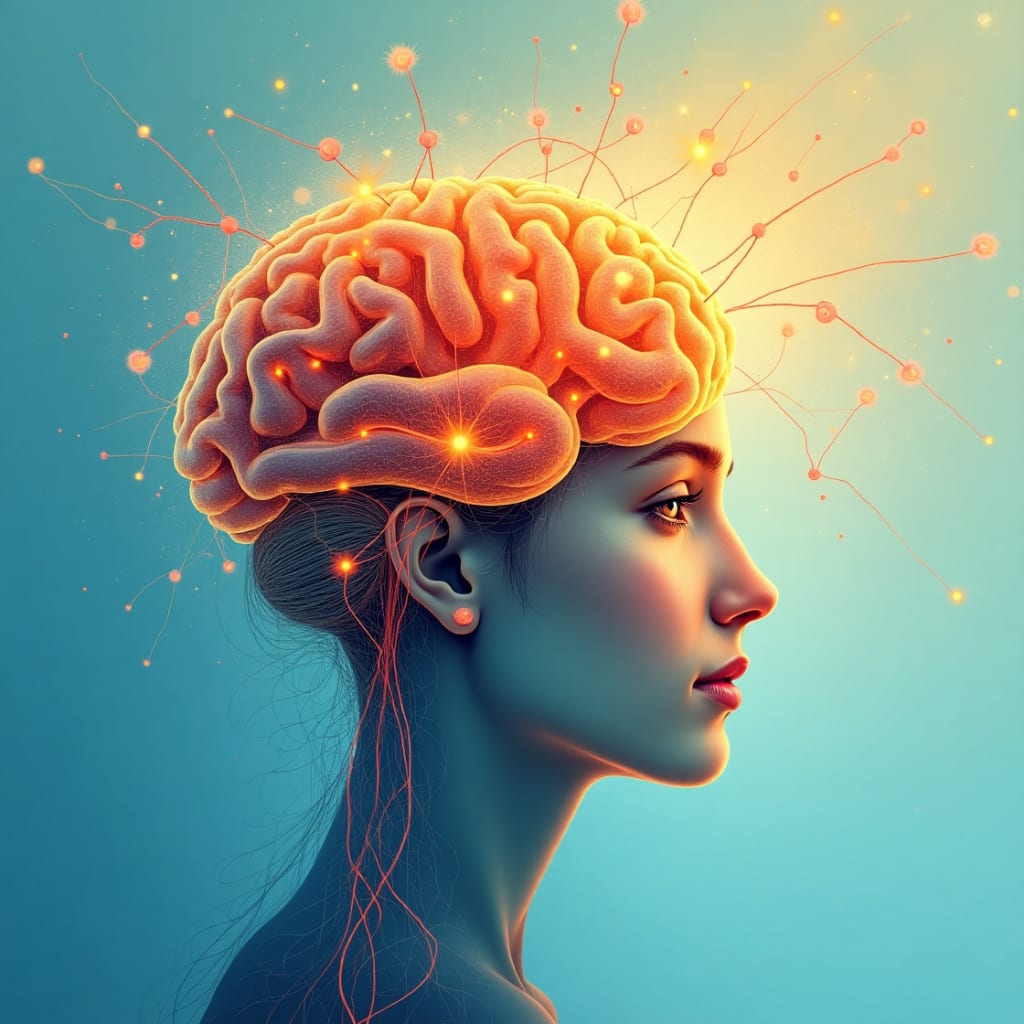
The human brain is often described as the most complex and fascinating organ in the known universe. Despite weighing only about three pounds and occupying a space roughly the size of two clenched fists, the brain is the command center of the human body, responsible for every thought, emotion, and action we perform. From controlling basic survival functions to facilitating the creation of symphonies, scientific theories, and acts of compassion, the brain remains an object of endless curiosity and research.
The Structure of the Brain
The brain is part of the central nervous system (CNS), along with the spinal cord. It is protected by the skull and encased in cerebrospinal fluid, which acts as a cushion against mechanical shocks. Structurally, the brain is divided into several key regions, each with its own specific roles.
1. The Cerebrum:
The largest part of the brain, the cerebrum, is responsible for higher-order functions such as thinking, perceiving, planning, and understanding language. It is divided into two hemispheres — left and right — and each hemisphere is further divided into four lobes:
Frontal lobe: Associated with decision-making, problem-solving, and control of purposeful behaviors.
Parietal lobe: Processes sensory information from the body.
Occipital lobe: Primarily responsible for vision.
Temporal lobe: Involved in processing auditory information and memory.
2. The Cerebellum:
Located beneath the cerebrum at the back of the skull, the cerebellum plays a vital role in motor control, coordination, balance, and posture. It helps fine-tune voluntary movements and is essential for activities such as walking and writing.
3. The Brainstem:
The brainstem connects the brain to the spinal cord and is responsible for many automatic functions necessary for survival, including breathing, heart rate, and blood pressure. It consists of the midbrain, pons, and medulla oblongata.
4. The Limbic System:
Often called the "emotional brain," the limbic system governs emotions, behavior, and long-term memory. It includes the amygdala (involved in emotional responses), hippocampus (critical for memory formation), and hypothalamus (regulates hormones and homeostasis).
Neurons: The Building Blocks of the Brain
The brain contains approximately 86 billion neurons, the specialized cells that transmit information throughout the body. Each neuron consists of a cell body, dendrites (which receive signals), and an axon (which sends signals). Neurons communicate through electrical impulses and chemical signals called neurotransmitters. The point at which two neurons connect is known as a synapse.
Supporting the neurons are glial cells, which outnumber neurons and perform a variety of functions including supplying nutrients, maintaining homeostasis, and protecting against pathogens.
Brain Functions and Cognition
The brain is responsible for all cognitive processes, including attention, memory, language, perception, and reasoning. These functions emerge from complex interactions among various regions of the brain.
Memory is typically divided into short-term and long-term types. The hippocampus plays a key role in converting short-term memories into long-term ones.
Language is primarily managed by Broca’s area (speech production) and Wernicke’s area (language comprehension), both typically located in the left hemisphere.
Executive functions, such as planning, impulse control, and logical thinking, are mainly governed by the frontal lobe.
Plasticity: The Brain’s Ability to Change
One of the most remarkable features of the brain is its plasticity — its ability to adapt, reorganize, and form new neural connections throughout life. This ability is especially pronounced during childhood but remains possible in adulthood. Brain plasticity is the foundation of learning, memory, and recovery from injuries such as strokes.
Experiences, education, and environmental factors can all influence brain plasticity. Practices like mindfulness, meditation, physical exercise, and learning new skills are shown to positively affect brain health and plasticity.
Disorders and Diseases of the Brain
Despite its resilience, the brain is susceptible to a range of disorders and diseases, which can profoundly impact a person’s quality of life.
Neurodegenerative diseases like Alzheimer’s, Parkinson’s, and Huntington’s gradually impair cognitive and motor functions.
Mental health disorders such as depression, anxiety, and schizophrenia involve dysregulation in brain chemistry and structure.
Stroke results from interrupted blood flow to parts of the brain, causing brain cells to die.
Traumatic brain injury (TBI) can be caused by blows to the head, leading to long-term cognitive and physical impairments.
Understanding and treating these conditions is a major focus of neuroscience and medical research.
The Future of Brain Research
Advances in technology such as functional MRI (fMRI), brain-computer interfaces (BCIs), and artificial intelligence are revolutionizing the way scientists understand the brain. Research in neuroplasticity, cognitive neuroscience, and neuropharmacology holds promise for developing treatments for previously incurable conditions.
The Human Connectome Project, for example, is an initiative to map all neural connections in the brain, similar to the Human Genome Project. Understanding these connections could lead to breakthroughs in treating neurological and psychiatric disorders.
Furthermore, ethical debates are beginning to emerge regarding the merging of human cognition with AI — a field sometimes referred to as "neurotechnology" or "transhumanism."
Taking Care of Your Brain
Maintaining brain health is essential for overall well-being. Here are some evidence-based ways to support your brain:
Physical exercise boosts blood flow and promotes the growth of new neurons.
Mental stimulation through reading, puzzles, or learning helps keep neural pathways active.
Balanced diet rich in omega-3 fatty acids, antioxidants, and vitamins supports brain function.
Quality sleep is crucial for memory consolidation and cognitive function.
Stress management through practices like meditation can reduce harmful brain inflammation.
Conclusion
The brain is an extraordinary organ that defines who we are as individuals and as a species. Despite centuries of study, much about the brain remains a mystery. Ongoing research continues to uncover the intricacies of how it works, how it can be repaired, and how it can be enhanced. By understanding and caring for our brains, we unlock not only the potential of our own minds but also the future of human development and medicine.
About the Creator
The BAFTA Awards
By now, in a stunning departure from recent years, most of the world is aware of what happened at the BAFTA film awards. Social Media Headlines will tell you the bare bones: that John Davidson, a Tourette's Syndrome advocate, shouted a racial slur at two Actors of Colour, Michael B Jordan and Delroy Lindo.
By Natasja Rose6 days ago in Psyche
I’m a Psychologist and Addiction Is Not a Disease: Here’s What It Actually Is (And Why That Matters)
Introduction : For decades, addiction has been widely described as a disease. Governments, rehabilitation centers, and even many medical professionals promote the idea that addiction works like illnesses such as diabetes or heart disease. According to this model, addiction is something that permanently affects the brain and must be managed throughout a person’s life.
By Shahid Zaman3 days ago in Psyche
Bomb Scare
It was 2027, and the world never thought it would happen. A missle hit the United States, but it wasn't where they had anticipated. A little town in the northeast was hit by a missile strike, they didn't know why, and they didn't know exactly where it hit, but they did know it was a coastal community, somewhere between Maine and Delaware.
By Gregory Payton4 days ago in Fiction



Comments
There are no comments for this story
Be the first to respond and start the conversation.