
The Essence of Faith and the Evolution of Religion
Why Belief Matters More Than Dogma

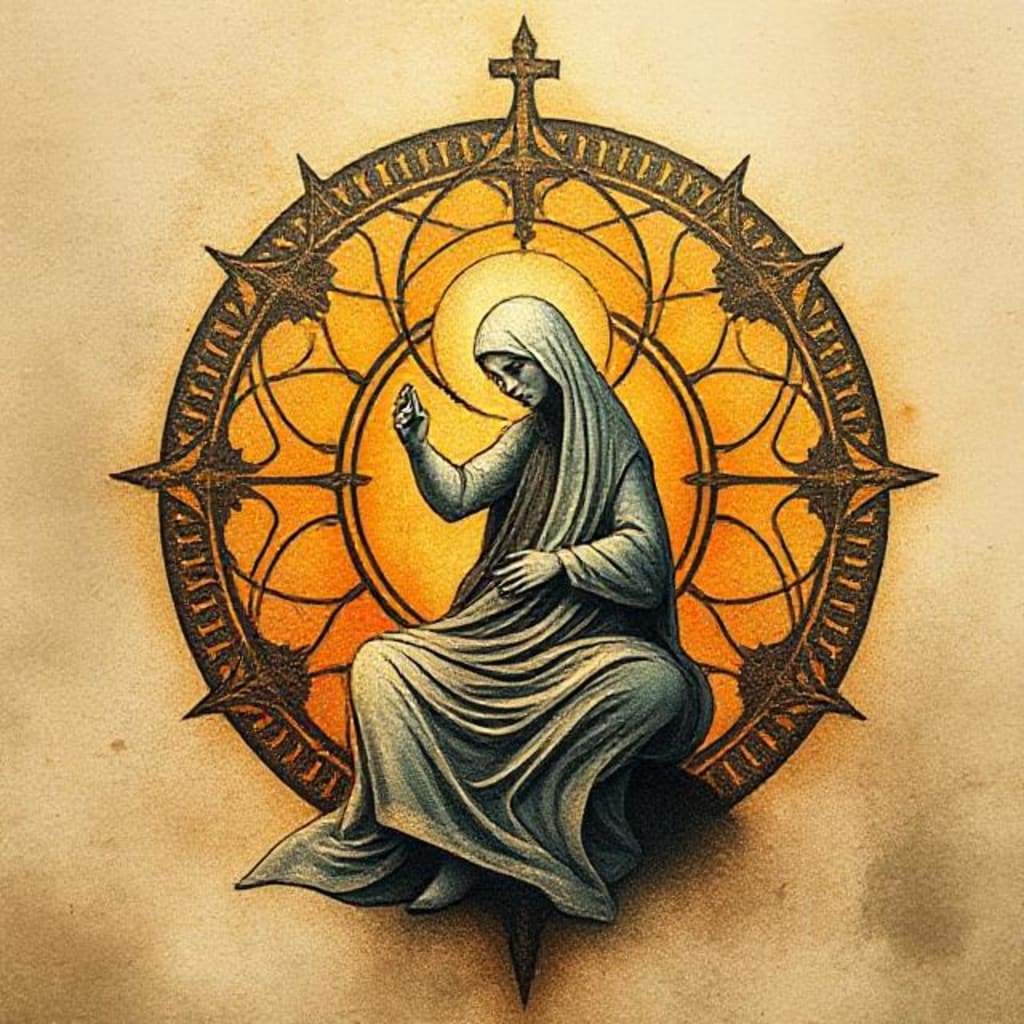
Faith is the anchor of the human spirit, a guiding light that gives purpose and meaning to our existence. Without something to believe in—be it a person, a philosophy, a concept, or a deity—life risks becoming aimless, hollow, and, as Friedrich Nietzsche warned, a descent into the state of the "last man." The last man, as Nietzsche described, is a person who lives without aspiration, content with mere survival, trapped in a cycle of comfort and apathy. This is a dangerous and painful state, one I have personally navigated. From my own journey, I’ve come to believe that faith is not just desirable but essential. It provides a foundation, a sense of direction, and something to entrust our hopes to.
Faith, however, does not necessitate religion. While faith is deeply personal, religion often emerges when people with shared beliefs come together. In its purest form, religion is a community bound by common values and aspirations. It can inspire people to act with kindness, to seek wisdom, and to build connections. But over time, the nature of religion has shifted, and not always for the better. What begins as a collective expression of faith can morph into something else entirely—sometimes a tool for control, manipulation, or personal gain.
The transformation of religion from a shared pursuit of meaning to an institution of power is a troubling phenomenon. History shows us countless examples of individuals or groups using religion to dictate what people can or cannot do, often under the guise of divine authority. Rules and dogmas multiply, and what was once a source of inspiration becomes a mechanism for enforcing compliance. While religion can guide people toward goodness—and often does—this should never come at the cost of personal freedom. When faith is weaponized as a form of emotional blackmail, it betrays its original purpose. People are told they must act in certain ways, believe certain things, or face moral or spiritual consequences. This, to me, is fundamentally wrong. Humanity thrives on freedom, on the ability to choose our paths and define our own beliefs.
The beauty of faith lies in its flexibility. It can take countless forms—a devotion to a higher power, a commitment to a philosophical ideal, or even trust in the potential of humanity itself. Unlike religion, which often comes with rigid structures and expectations, faith is deeply individual. It allows us to find meaning in our own way, to align our lives with something greater than ourselves without surrendering our autonomy. A person might find faith in the pursuit of justice, in the love of family, or in the quiet contemplation of nature. These are all valid, and none require the trappings of organized religion.
Yet, religion’s role in fostering community cannot be dismissed. When people gather around shared beliefs, they create bonds that can uplift and support. Religious communities have long provided spaces for charity, mutual aid, and collective reflection. The problem arises when these communities become exclusionary or authoritarian, demanding conformity over authenticity. Faith should never be a cage; it should be a bridge to understanding, both of ourselves and others.
In the end, the question is not whether religion is "everything." It isn’t. Religion is one of many ways to express faith, but it is not the only one, nor is it always the best. Faith, in its broadest sense, is what keeps us from becoming Nietzsche’s last man. It gives us something to strive for, something to hold onto. But it must remain free—free from manipulation, free from coercion, and free from those who would use it to control. We are human, and our freedom to choose what we believe in is what makes us whole.
About the Creator
Whitestone Yong
Introverted mind. "Amateur" philosopher & musician. I write to share thoughts that might spark curiosity or comfort, especially in times when we need it most.
Keep reading
More stories from Whitestone Yong and writers in Psyche and other communities.
The Impact of Music on Body and Mind
Music is everywhere in our lives. It’s in our homes, cars, and even our phones. But music is more than just sound, it can change how our body works and how we feel. This article looks at how music affects us physically and mentally, using simple words to explain its powerful effects.
By Whitestone Yong7 months ago in Art
This Show Makes You Suspicious on Purpose
At first, it feels harmless. You sit down to watch His & Hers the way you sit down to watch any thriller. Lights dimmed. Phone face-down. A body on screen. A mystery to solve. Two people telling the same story in different voices. You tell yourself this is entertainment. Suspense. Craft.
By Aarsh Malik4 days ago in Psyche


Comments
There are no comments for this story
Be the first to respond and start the conversation.