
The 3 Etiologies of Mental Illness: the Supernatural, Somatogenic, and Psychogenic
A brief history of mental illness


The concept of mental illness dates all the way back to the Stone Age. However, our modern perception of what this means is far from the general understanding of mental illness in the past. Unlike other fields of medicine and science which usually follow a more linear pattern of discovery and research, the field of mental illness has taken a more cyclical pattern throughout history, with philosophers, doctors, and psychiatrists through the years circling between different theories of etiology relating to mental illness. Etiology is the study of finding the specific cause for a disease or condition. In general, there are three theories of etiology surrounding mental illness: the supernatural, somatogenic, and psychogenic.
Supernatural theories often include spiritual or religious conclusions about mental illness, focusing on the individual as a “sinner” who may have been possessed by a demon or spirit. The person afflicted with a mental illness may be accused of sinning, being cursed by the Gods, or even being a witch with evil powers! Obviously, this supernatural viewpoint of mental illness is the most basic and inaccurate of all the etiologies. On the other hand, somatogenic theory believes that physical issues within the body, including brain damage, imbalance of chemicals or other illnesses, and/or genetic inheritance are things that contribute to and cause mental illness.
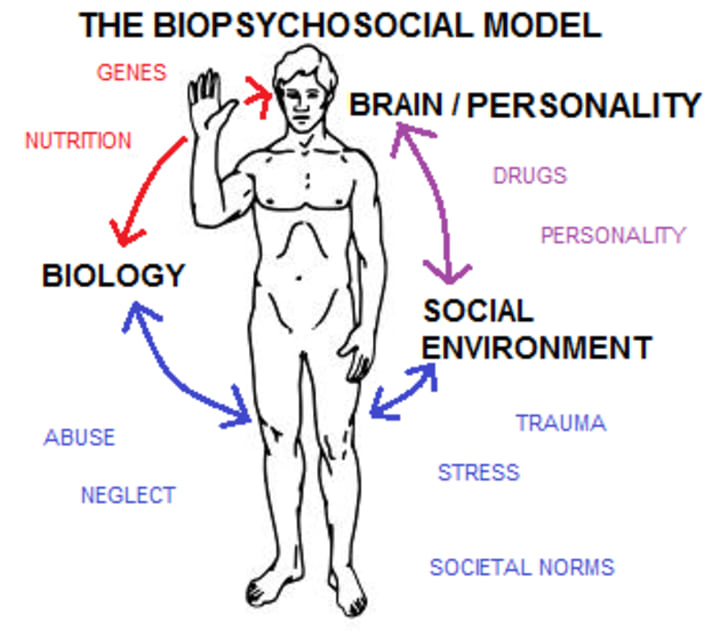
Lastly, psychogenic etiology theory proposes that mental illness is caused by environmental factors, such as trauma, upbringing, childhood development, including learned behaviors and perceptions. Each of these theories have coexisted in the realm of mental health, rather than forming a linear pattern. Therefore, patients could be diagnosed and treated using either or a variety of these different theories in the past.
Discovery of prehistoric skulls suggests that in these early times, there was a heavy use of the supernatural to explain mental illness, and that people believed trephination (drilling holes in the skull), was necessary to cure the illness and/or release the “evil spirits” from their body. This is obviously a very outdated viewpoint and technique that would not be typical of today’s modern mental health practices.
In the 1900s BC near Mesopotamia, the word “hysteria” was first coined to describe women with a “wandering uterus”, which was believed to be the cause of their mental illness. Interestingly enough, if we examine the word “hysteria”, this makes sense, because the root of the word, “hyst” means uterus. This is also why the word “hysterectomy” (the removal of the uterus) also contains this root. So, when you hear someone saying “you’re hysterical!” to someone else, you can tell them the roots of this word are actually centered on women!
Throughout early times, the supernatural explanation seemed to be the most popular for determining the cause of mental illness. Among religions, mental illnesses were seen as demonic possessions or punishments from God. Persons afflicted were expected to attend church ceremonies and “repent” in order to be cured. However, as time went on, physicians and doctors took a more practical approach to mental illness.

In 400 BC, Socrates first established the idea that the supernatural is not something involved in the development of a mental illness, and rather that it is the physical that influences mental illness. This is where we start seeing the term “humors”, referring to different fluids in the body that impact health in a person. The four humors: blood, yellow bile, black bile, and phlegm, must be in balance with one another, or a person may fall ill. Mental illness and physical illnesses were explained by this theory, and it was used by many physicians up until about the 19th century.
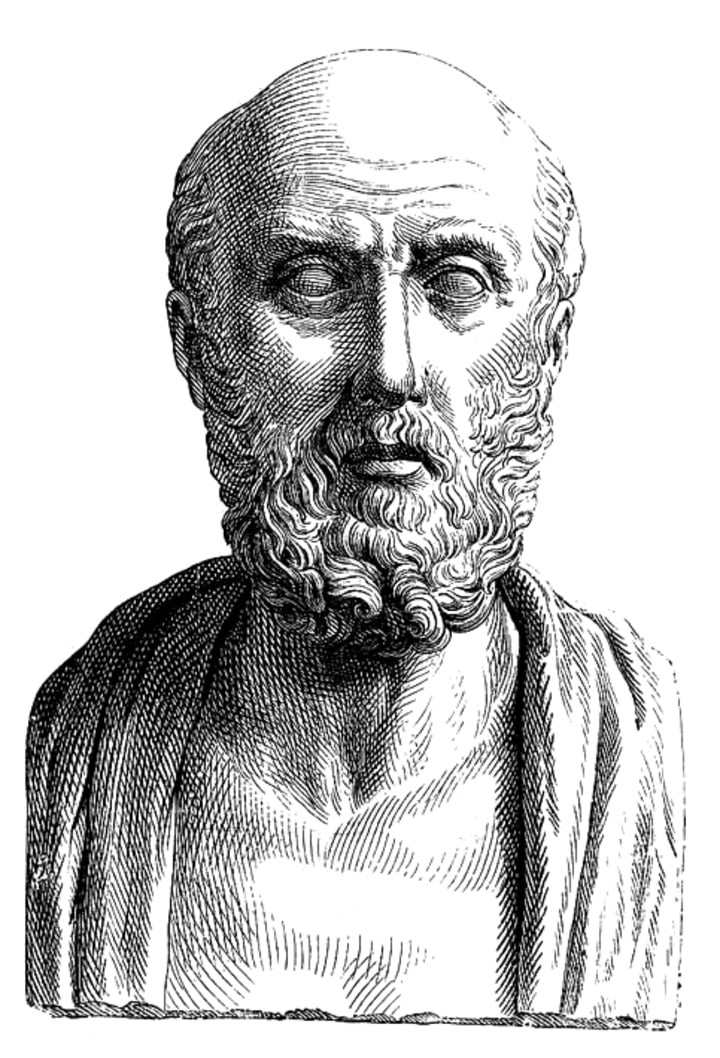
Hippocrates also contributed to the history of mental illness, further categorizing them into the following sections: epilepsy, mania, melancholia, and brain fever. As we see here, mania and melancholia are descriptions of perhaps the beginning of mood disorders and depression, while brain fever suggests the recognition of other illnesses such as schizophrenia. Notice here too that epilepsy is included in mental illness, although in modern times, epilepsy is known as a physical, neurological disorder of the brain.
During these times, most philosophers and physicians believed that persons with mental illness should not be held accountable for their behaviors and that the family should care for them at home; there was no “shame” involved in mental illness, except for the supernatural and religious origins of the term.
Between the 11th and 17th centuries, there was a reissuing of the supernatural origins of mental illness, due to the many disasters and catastrophic events taking place during the time. Women especially were seen as being more mentally ill, and many were persecuted and hanged for being so-called “witches”. While outsiders pleaded with the Catholic church that these women were simply suffering from a mental illness and were not, in fact, witches, the church brushed it off, and over 100,000 women were burned at the stake until the “witch hunt” period ended. This is a very unfortunate circumstance knowing what we know now about mental health and mental illness.
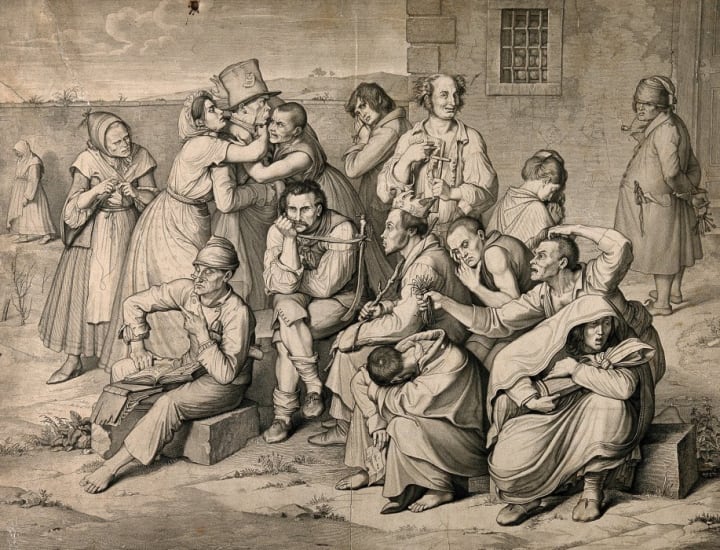
It wasn’t until later in 16th century that asylums were built to house and confine the mentally ill. The mission in these places was simple; confine the mentally ill, keep them restrained and away from the general public. This is where many people recognize the images of mentally ill persons chained to walls, treated like prisoners, and treated poorly. Because they couldn’t function in average society, they were seen as a burden to be placed in a facility for the rest of their lives, even among homeless, criminals, and what they termed the “undesirables” of society. There was no intention of curing the mentally ill, but rather keeping them away until they died of old age. There was little empathy for the individuals suffering, and much abuse, harsh treatment, and shame that the mentally ill suffered as a result of these institutions. This is really where the first pieces of the mental illness stigma started to form.
Eventually, in the 18th century, an Englishman named William Tuke established a new asylum facility, called the York Retreat, where a more humanistic practice was given, and patients were treated with care, kindness, and compassion. This mindset eventually caught on in other countries, including America, and it is the beginning of the psychogenic form of treatment for mental illness. Although this new mindset was so impactful and positive for the mental health community, it didn’t last too long in America. Eventually, due to overcrowded facilities and limited funds to properly care for these individuals, abuse and negligence were once again a primary aspect of life for the mentally ill.
It was Dorthea Dix in America that finally started to gain recognition for making changes to these horrible conditions and being a champion of mental illness awareness and understanding for the future. She was a retired school teacher that saw much of the malpractice and abuse that was happening in the facilities for the mentally ill. She made it her mission to end this abuse and stigma and create mental institutions that would provide the foundation for much of the modern psychiatric facilities that we are familiar with today.

As the field of mental illness and psychology has progressed, many prominent figures helped to bring about change and new theories related to mental health that helped pave the way for future generations. By this time and leading up to even today, the only etiologies about mental illness that are still recognized are the somatogenic and the pyschogenic theories, combining to now what is commonly known as the biopsychosocial model. The biopsychosocial model is a better way of explaining causation of mental illness because it incorporates the idea that both physical, genetic, and mental symptoms can be causes behind mental illness. Nature vs. nurture, environmental and behavioral factors, as well as body chemistry and brain function all describe different aspects of the biopsychosocial model that may be explored when diagnosing a person with mental illness.
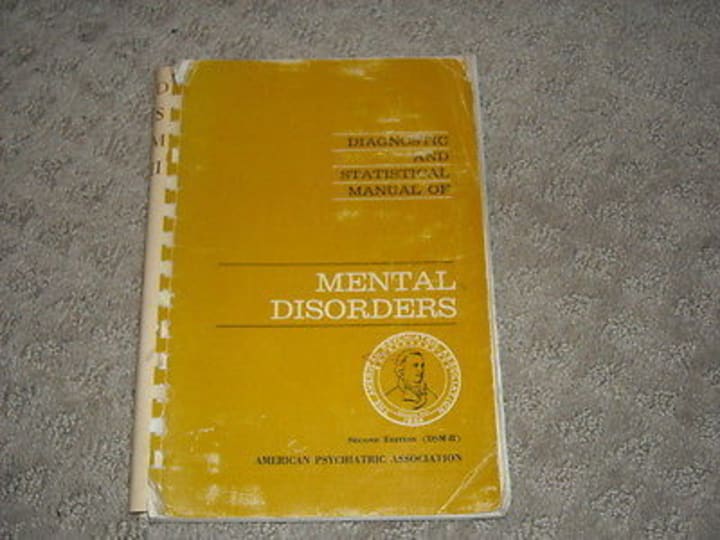
Eventually, this model led to the development of the Diagnostic and Statistical Manual of Mental Disorders, known as the DSM. In 1968, the American Psychiatric Association published its first edition of this manual, with the intention of describing and highlighting different mental illnesses, their symptomology, and proper instructions for diagnosis and treatment of these illnesses. There have been several editions of the DSM that have been updated of the last several decades, and this is the same manual that all psychiatrists, therapists, and professionals now use in the United States to diagnose different mental illnesses and disorders.
Clearly, we have come a long way since the early times, where mental illness was seen as a defect, a possible demonic possession, or explained by some other supernatural force. The current understanding of mental illness separates religion from science, although there are some religious practices that still maintain an element of spirituality is involved in mental illness. The general consensus today is that both environmental and sociological, and psychological factors influence the likelihood of developing a mental illness.
It is important for us to know this information about the history of mental illness because it gives us an idea of how far we have come as a society in regard to the stigma of mental illness, but our work is not over. It is up to us to continue to advocate for and bring attention to mental illness and mental health awareness so that we may end the stigma and protect those with a mental illness from facing more of the same abuses of the past.
About the Creator
Slgtlyscatt3red
Slightly scattered. Just a woman with autism and ADHD that loves to write poetry, create art, and sing.
Keep reading
More stories from Slgtlyscatt3red and writers in Psyche and other communities.
The 8 Tenets of Substance Abuse Counseling
Substance abuse counseling is a growing field in today's society. As decades have passed, new research and methods have led to more effective programs. In this article, we will discuss why these are important, and why these tenets are a driving force behind recovery.
By Slgtlyscatt3red9 months ago in Psyche
How to Succeed at the Benson Directory®
Congratulations and welcome to the Benson Directory® employee #22391! As our newest call handler, you will have the privilege of speaking with dozens of unique and interesting people on a daily basis as well as the opportunity to earn bonuses for high performance. Contained within this handbook you will find a set of ease to follow instructions designed to help you settle in to your new role and begin paving the way to success.
By S. A. Crawford3 days ago in Fiction



Comments
There are no comments for this story
Be the first to respond and start the conversation.