depression
It is not just a matter of feeling sad; discover an honest view of the mental, emotional and physical toll of clinical depression.
Cracking the Narcissistic Code: The Journey to Empowerment and Clarity
Today, I'm here to reveal a truth that might seem a tad. Once the narcissist realizes that you've cracked their code, things might take an unexpected turn. So, let's dissect this revelation and lay out the implications for you.
By Judith Okech2 years ago in Psyche
Can a Narcissistic Spouse Transform for the Better?
Today's compelling inquiry revolves around the possibility of fostering a successful relationship with an individual who exhibits narcissistic traits. This question has undoubtedly captured the attention of many, prompting us to delve right into the heart of the matter. Feel free to contribute your insights in the comments section below.
By Judith Okech2 years ago in Psyche
4 Gaslighting Techniques That Erode Your Self-Worth
Gaslighting is a subtle yet severe form of psychological manipulation. It is used to dominate or control another person. Through gaslighting, an abuser can damage another’s self-worth. This is done by undermining their confidence, distorting their sense of reality, and making them doubt themselves. Gaslighting targets an individual's perception of themselves. This makes them question their thoughts, emotions, and memories.
By Trust Mental Health2 years ago in Psyche
BREAKING THE CHAINS
Mental health, an integral part of overall well-being, has long been shrouded in stigma, misunderstanding, and discrimination. The negative perceptions of mental health challenges often deter individuals from seeking help and hinder society's ability to foster a compassionate and inclusive environment. However, the tide is turning as awareness campaigns and advocacy efforts gain momentum, aiming to dismantle these barriers and promote a more empathetic understanding of mental health.
By Mariam Ali2 years ago in Psyche
Secret Tarot and Lenormand Reader
My first tarot read for money : Work experience as part of an exclusive course in Hampstead Heath, London, England. I went to work in a crystal reading shop opposite the train station. I was nervous as hadn’t ever experienced this type to work. However, when we got comfortable in the cosy basement warm room I knew we were in a place I could be of help for another as the ‘unknown angel’ had been for me.
By Jean Turner2 years ago in Psyche
The Red Thread
I follow a red string down my throat, hands pulling to tug it free. I follow it down to see where it goes. I need to know its hold on me. I fold over myself and vomit from the sting as I yank on that red thread. It's woven into my being, and I think to continue would unspool me.
By Laura Lann2 years ago in Psyche
9 Things Depression Makes You Want to Hide
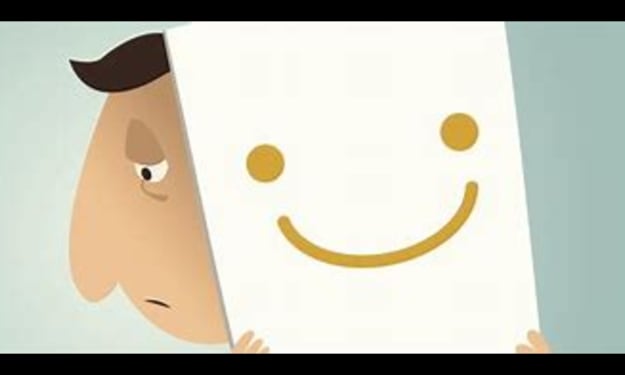
Here are nine things depression often makes you want to hide! - Inner Turmoil and Negative Thoughts Depression is accompanied by a whirlwind of emotions, negative thoughts, and self-doubt; and you might feel like you need to hide these inner struggles from others. You're afraid that you are a burden to others, or fear their sharing of your thoughts will scare them away. Now, you have the choice of putting on a nice face and showing your other side to the world. Although it looks like a way to guard yourself, this may make the rest of us less able to understand just how much you're struggling and what kind of support you need. - Intense Feelings of Loneliness and Isolation Dealing with depression often leaves you feeling like you're trapped in a deep, dark hole; completely isolated and convinced that no one else could possibly understand what you're going through. But one of the major obstacles in how you open up about your emotions to others can be fear of being misunderstood. You think they’ll judge you or dismiss your symptoms as just being in your head. This can be super discouraging and make you want to just clam up and keep everything buried inside. - Perpetual Exhaustion and Fatigue Depression saps your energy and leaves you feeling depleted - like you have nothing left to give. Physically, depression manifests as a constant low-grade fatigue; while mentally, it’s like someone has turned down the brightness knob, leaving your mind in a heavy fog. The pressure to preserve a facade of normality is what makes it all so complicated. Many of us are told by society to be strong and cohesive; so you're getting used to masking your exhaustion through fake smiles and assurances that you "just do it right." You may feel overwhelmed and defeated when you constantly try to show a false front. You're operating at half capacity, unable to satisfy your own expectations or those imposed on you by others. - Loss of Interest and Enjoyment Depression has a way of taking the wind out of your sails. Everyday activities that used to bring joy feel like a chore - or just empty and joyless. Now it feels like a spark that had once ignited your passion is gone. It's also normal to hide that feeling of indifference and it just creates a barrier in your relationship with other people. Suddenly, social events that used to be fun and exciting are a burden. You're making excuses so you can avoid them. Or maybe you don’t want to disappoint loved ones by not appearing invested in the things that used to bring you happiness, so you pretend. However, it will often result in a sense of isolation and detachment. - Self-Care Struggles Living with depression can, at times, make even the most basic self-care tasks feel overwhelmingly challenging. It becomes an insurmountable obstacle to take a shower, eat nutritious food or get sufficient sleep. It's as if these simple acts require a great deal of effort and willpower, draining you both physically and emotionally. The fear of judgment and mistaken belief from others is always a major part of these struggles. You may feel like hiding the problems that you're dealing with, fearing it will be seen as laziness. And that fear of being judged or not understood can reinforce the isolation and loneliness that depression often brings. - Financial Struggles When you’re struggling with depression, staying on top of your work tasks and performing at your best can be tough, and this can lead to job instability. Similarly, depression makes it challenging to focus, stay motivated, and make sound financial decisions. Furthermore, the shame and fear of being seen as a failure can worsen the effects of depression on your job and financial situation. Fears of what other people will think, or the belief that asking for help is a sign of weakness, cause you to hide your financial difficulties. Unfortunately, keeping your financial struggles hidden can intensify the stress and anxiety you experience due to depression. It creates a cycle where you’re not addressing the challenges you face, which further impacts your mental and financial health. - Pile-Up of Uncompleted Tasks It can be incredibly challenging to navigate life when depression weighs you down. No matter how small or simple it may seem to others, all of this is going to become an uphill battle. Even the most basic tasks are made difficult by fatigue and lack of energy or willpower, as well as overwhelming sadness. Then feelings of shame and guilt are often exacerbated, when the remaining tasks begin to pile up. You begin to blame yourself and think that you are weak or incapable of handling your responsibilities. – Self Harm or Substance Abuse When dealing with depression and trying to cope, it’s not uncommon to resort to self destructive behaviors. These behaviors vary and can include substance abuse, alcoholism, self harm, overeating, or even engaging in risky intimate encounters. While these coping mechanisms may provide a temporary sense of relief and distraction from emotional pain, the consequences are often not very good. In addition, when you engage in such behavior, it usually leads to feelings of shame and guilt, which in turn leads to a vicious cycle, where you just want to hide your behavior so that you don't disappoint your loved ones. - Treatments or Medication Therapy and medication both work well for treating depression. Your overall well-being could benefit considerably from these therapy alternatives. However, discussing them can occasionally be awkward. Due to the anxiety of being viewed negatively or stigmatized, talking about medicine and therapy can be challenging. You fear that your difficulties will be downplayed, invalidated, or that you will be characterized as weak. Such concerns can restrict the opening up of dialogue, as well as impede your request for help. Depression is not something that you have to face alone. There's a lot of people out there who are prepared to help you, whether they're friends or trained professionals. But it may be difficult at first to open up about things like this, but we can make huge and brave steps forward in our recovery. Don't be scared of letting others in, accepting their support. On your journey to health, it can have a big impact.
By Nwanya Paschal2 years ago in Psyche
"Mental Health Matters: Assessing the Economic Burden of Psychological Disorders"
The economic burden of mental disorders is a serious issue affecting many people worldwide. Conditions like depression, anxiety, bipolar disorder, and schizophrenia can have far-reaching effects on individuals, families, and communities.
By Vaibhav jaware2 years ago in Psyche
Why Am I Terrified Of Everything When I Quit Drinking?
Fear and anxiety are the top two reasons I found quitting alcohol difficult. It is an experience I wouldn't wish on my worst enemy. These feelings can get so intense that it feels like the world is a hellscape, everything is a threat, and everyone hates you.
By Patrick Meowler2 years ago in Psyche