
System for Mental Time Travel
GOES BEYOND THE FOURTH DIMENSION!!
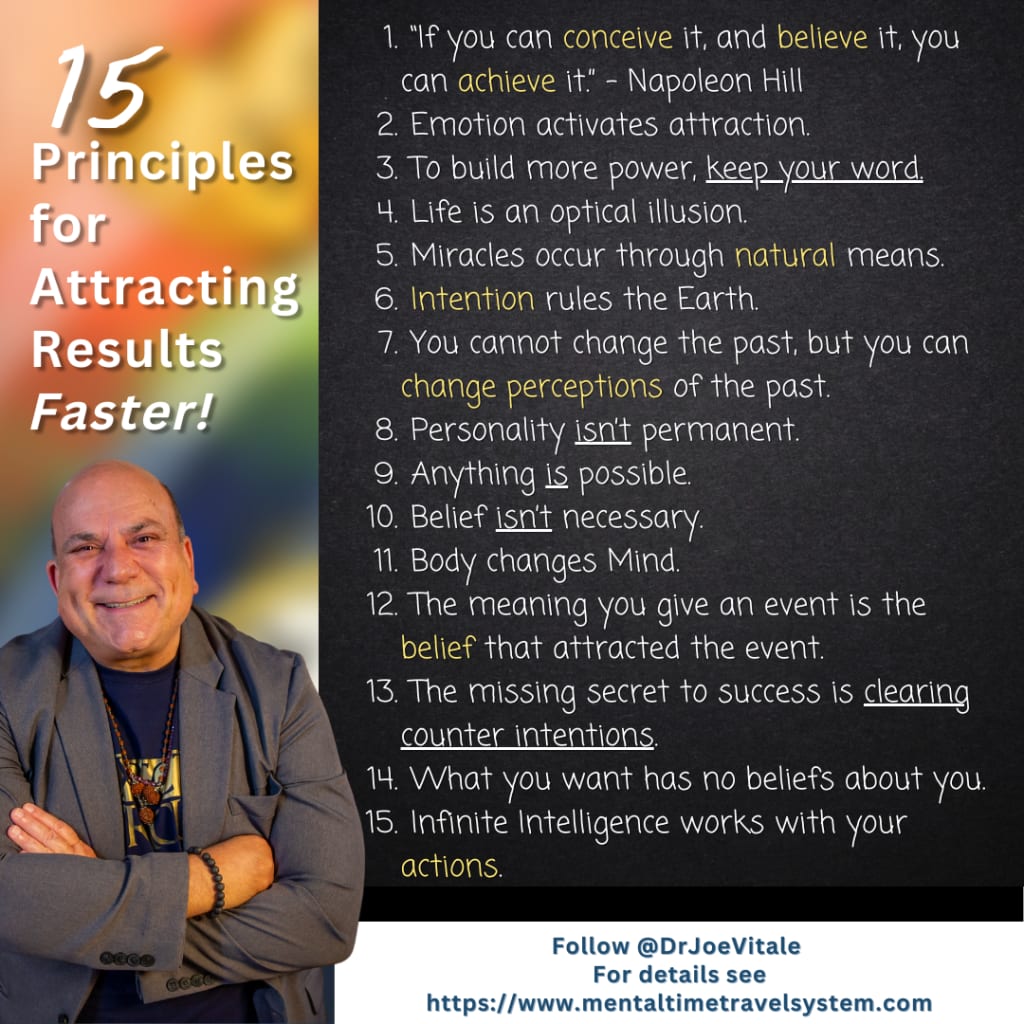
The ability to mentally travel back in time and recall past events is a uniquely human experience that is often taken for granted. This ability, called mental time travel, allows us to relive past experiences and use them to inform our present and future actions. The mental time travel system is a complex cognitive process that involves various brain regions and is essential to our sense of self and our ability to navigate the world.
One of the most important features of mental time travel is the ability to recall specific details about past events. This includes not only the basic facts of what happened but also the emotional and sensory experience associated with the event. For example, when recalling a past vacation, we might remember the sights, sounds, and smells of the place we visited, as well as the emotions we felt at the time. This rich, detailed memory helps us to create a sense of continuity between our past and present selves.
The process of mental time travel is thought to involve several brain regions, including the hippocampus and the prefrontal cortex. The hippocampus is a key structure for memory consolidation and is involved in encoding and retrieving memories. The prefrontal cortex, on the other hand, is important for planning, decision-making, and other higher-level cognitive functions. Together, these regions work to create a mental representation of past events that can be used to guide current and future behavior.
One of the most interesting aspects of mental time travel is the role it plays in the development of our sense of self. By reflecting on past experiences, we are able to construct a narrative of our lives that helps us understand who we are and how we got here. This narrative includes both positive and negative experiences, and it is often shaped by the stories we tell ourselves and others about our past.
Mental time travel also plays an important role in our ability to imagine the future. By using our past experiences to inform our expectations for the future, we are able to plan and prepare for upcoming events. This is a key aspect of human cognition that sets us apart from other animals.
However, mental time travel is not always a positive experience. In some cases, recalling past events can trigger negative emotions such as sadness, regret, or guilt. These negative emotions can be especially potent when recalling traumatic events, such as abuse or other forms of violence. In some cases, the emotional impact of these events can be so severe that it interferes with daily functioning and can lead to mental health problems such as post-traumatic stress disorder (PTSD).
Overall, the mental time travel system is an incredibly complex and essential aspect of human cognition. It allows us to create a sense of continuity between our past, present, and future selves, and it helps us understand who we are and how we got here. However, it can also be a double-edged sword, as the emotions associated with past events can be both positive and negative. Understanding the mechanisms of mental time travel and how it affects our daily lives is an important area of research, and it has implications for everything from mental health to education and personal growth.
In conclusion, mental time travel is a fascinating aspect of human cognition that plays a key role in our sense of self and our ability to navigate the world. By reflecting on our past experiences, we are able to construct a narrative of our lives that helps us understand who we are and where we are going. This ability to mentally travel back in time and recall past events is an essential feature of human cognition that sets us apart from other animals and is critical for our mental health and well-being.
About the Creator
Keep reading
More stories from writers in Psyche and other communities.
This Show Makes You Suspicious on Purpose
At first, it feels harmless. You sit down to watch His & Hers the way you sit down to watch any thriller. Lights dimmed. Phone face-down. A body on screen. A mystery to solve. Two people telling the same story in different voices. You tell yourself this is entertainment. Suspense. Craft.
By Aarsh Malik3 days ago in Psyche




Comments
There are no comments for this story
Be the first to respond and start the conversation.