
Strategies for Coping with Mood Swings in a Long-Distance Relationship
Strategies for Coping with Mood Swings in a Long-Distance Relationship

Maintaining a long-distance relationship can be challenging, especially when one or both partners experience mood swings. Mood swings can make communication difficult and lead to misunderstandings, which can strain the relationship. However, there are strategies that can help both partners cope with mood swings and maintain a healthy relationship. In this article, we will explore these strategies and provide tips on how to deal with mood swings in a long-distance relationship.
Be empathetic
The first and most important strategy for coping with mood swings in a long-distance relationship is to be empathetic. It is essential to understand that mood swings are not intentional and that they can be triggered by various factors such as stress, anxiety, hormonal changes, or lack of sleep. When your partner is going through a mood swing, it is important to put yourself in their shoes and try to understand what they are going through. Listen to them, acknowledge their feelings, and let them know that you are there for them.
Communicate openly
Communication is key in any relationship, and it becomes even more crucial in a long-distance relationship. When dealing with mood swings, it is important to communicate openly with your partner. Let them know how their mood swings are affecting you and how you feel about it. At the same time, be open to hearing their perspective and what they are going through. This can help both partners understand each other better and avoid misunderstandings.
Set boundaries
Setting boundaries is another important strategy for coping with mood swings in a long-distance relationship. Both partners should agree on what is acceptable behavior and what is not. For instance, if your partner tends to lash out during a mood swing, let them know that this is not acceptable, and that you will not tolerate being treated disrespectfully. Setting boundaries can help both partners understand each other's expectations and avoid triggering mood swings.
Take a break
Sometimes, the best way to deal with mood swings is to take a break. If your partner is going through a particularly difficult mood swing, give them some space and time to cool off. This does not mean that you should ignore them, but rather that you should let them know that you are there for them when they are ready to talk. Taking a break can help both partners calm down and avoid saying or doing things they might regret later.
Practice self-care
Taking care of yourself is also essential when dealing with mood swings in a long-distance relationship. If your partner's mood swings are causing you stress and anxiety, it is important to take time to recharge and practice self-care. This can include activities such as meditation, exercise, spending time with friends, or pursuing a hobby. Practicing self-care can help both partners feel more grounded and better equipped to handle mood swings.
Seek professional help
If mood swings become a frequent and severe issue in your long-distance relationship, it may be time to seek professional help. A therapist or counselor can help both partners understand the underlying causes of mood swings and provide tools and techniques for coping with them. Seeking professional help is a sign of strength, and it can help both partners improve their mental health and strengthen their relationship.
Be patient
Finally, it is important to be patient when dealing with mood swings in a long-distance relationship. Mood swings can be a challenging and frustrating issue to deal with, but it is important to remember that they are temporary and that they can be managed. Being patient with your partner and understanding that they are going through a difficult time can help both partners feel supported and loved.
In conclusion, maintaining a long-distance relationship can be challenging, especially when dealing with mood swings. However, by being empathetic, communicating openly, setting boundaries, taking a break, practicing self-care, seeking professional help, and being patient, both partners can cope with mood swings and strengthen their relationship. It is important to remember that a long-distance relationship can still be fulfilling and rewarding despite the challenges. By working together and supporting each other through the ups and downs, both partners can build a strong and healthy relationship.
Additionally, it is important to acknowledge that mood swings can be a symptom of a more serious mental health issue, such as bipolar disorder or depression. If you or your partner are experiencing persistent or severe mood swings, it is important to seek medical attention. A healthcare professional can provide an accurate diagnosis and recommend the appropriate treatment.
About the Creator
Keep reading
More stories from Mental health blogs and writers in Psyche and other communities.
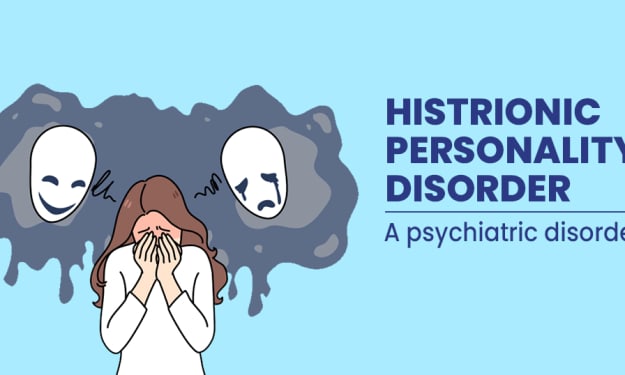
Psychotherapy for Histrionic Personality Disorder: What You Need to Know
Histrionic Personality Disorder (HPD) is a mental health condition characterized by an excessive need for attention, emotional instability, and a tendency to engage in dramatic and attention-seeking behaviors. People with HPD often struggle to form meaningful and intimate relationships, and their behaviors can cause significant distress to themselves and others.
By Mental health blogs 3 years ago in Psyche



Comments
There are no comments for this story
Be the first to respond and start the conversation.