
Relation Between Creativity And Mental Health
Exploring the Link Between Creativity and Mental Health

Introduction
Creativity has long been celebrated as a cornerstone of human expression, innovation, and problem-solving. From painting and writing to crafting and coding, creative pursuits provide a sense of accomplishment and joy. However, the connection between creativity and mental health is complex, with both positive and negative aspects.
How Creativity Benefits Mental Health?
Engaging in creative activities has a profound impact on mental health, offering numerous psychological benefits:
- Stress Relief: Creative outlets provide a means to channel stress and anxiety into productive expression. Activities like painting, journaling, or playing music can help individuals unwind and process emotions.
2. Improved Mood: Creativity stimulates the brain’s reward system, releasing dopamine, which promotes feelings of pleasure and satisfaction. This is why completing a creative project often leaves individuals feeling accomplished and happy.
3. Enhanced Self-Awareness: Artistic expression encourages introspection, allowing individuals to better understand their emotions, thoughts, and experiences. This can be particularly therapeutic for those navigating mental health challenges.
4. Cognitive Benefits: Creative activities engage different parts of the brain, improving problem-solving skills, memory, and overall cognitive function.
5. Building Resilience: Overcoming creative challenges, such as writer’s block or mastering a new skill, fosters resilience and perseverance, qualities that are essential for mental well-being.
The Challenges Of Creativity And Mental Health
While creativity can boost mental health, there are also challenges that arise from the relationship between the two:
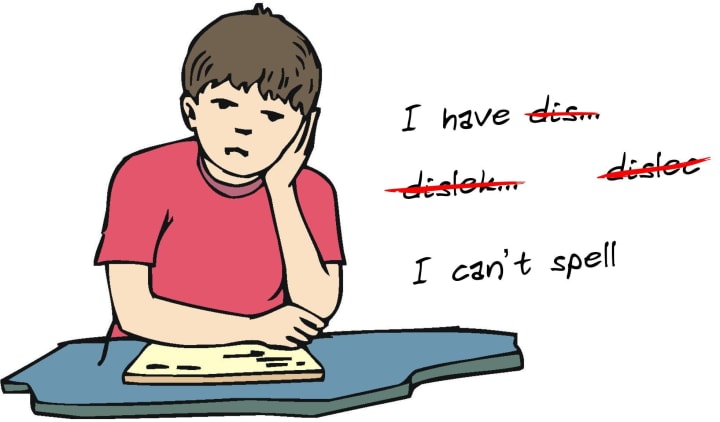
1. Perfectionism: Many creative individuals struggle with perfectionism, which can lead to feelings of inadequacy or burnout when their work doesn’t meet self-imposed standards.
2. Emotional Vulnerability: The act of creating often requires tapping into deep emotions. For some, this process can unearth painful memories or feelings, which may exacerbate mental health struggles.
3. Isolation: Creative pursuits can sometimes be solitary activities, leading to feelings of loneliness, especially if there’s a lack of community or support.
4. The "Tortured Artist" Myth: The stereotype of the tortured artist romanticizes mental illness in the context of creativity. This can discourage individuals from seeking help, perpetuating harmful cycles of suffering.
Harnessing Creativity for Mental Well-Being
To maximize the mental health benefits of creativity while minimizing its challenges, consider the following strategies:
1. Create Without Pressure: Allow yourself to engage in creative activities for enjoyment rather than perfection. Focus on the process rather than the outcome.
2. Set Realistic Goals: Break larger projects into smaller, manageable tasks to avoid feeling overwhelmed.
3. Join Creative Communities: Engaging with like-minded individuals can provide inspiration, feedback, and a sense of belonging.
4. Practice Mindfulness: Through Creativity Activities like mindful coloring or sketching can combine the benefits of creativity with the calming effects of mindfulness.
5. Seek Support When Needed: If creativity brings up challenging emotions, consider seeking help from a psychology board approved supervisor to process them in a healthy way.
Conclusion
The relationship between creativity and mental health is both inspiring and intricate. Creative pursuits can serve as a powerful tool for enhancing mental well-being, providing an outlet for expression, and fostering resilience.

However, it’s essential to approach creativity with balance and self-awareness to avoid its potential pitfalls. By embracing creativity as part of a holistic approach to mental health, individuals can unlock its transformative power and nurture their overall well-being.
About the Creator
Jayson Rom
JR Psychology Clinic is a clinic for individuals seeking Anxiety Treatment Melbourne. With a deep understanding of the complexities of anxiety disorders, we provide a supportive environment.
Keep reading
More stories from Jayson Rom and writers in Psyche and other communities.
Importance Of Mental Health Crisis Plan
Introduction In today’s fast-paced world, mental health challenges such as anxiety, depression, and addiction have become increasingly prevalent. These struggles can escalate into crises that leave individuals and their loved ones feeling overwhelmed and unsure of how to proceed.
By Jayson Romabout a year ago in Psyche
How to Succeed at the Benson Directory®
Congratulations and welcome to the Benson Directory® employee #22391! As our newest call handler, you will have the privilege of speaking with dozens of unique and interesting people on a daily basis as well as the opportunity to earn bonuses for high performance. Contained within this handbook you will find a set of ease to follow instructions designed to help you settle in to your new role and begin paving the way to success.
By S. A. Crawford2 days ago in Fiction



Comments
There are no comments for this story
Be the first to respond and start the conversation.