
Redefining Myself
re·de·fine /ˌrēdəˈfīn/ verb. define again or differently.

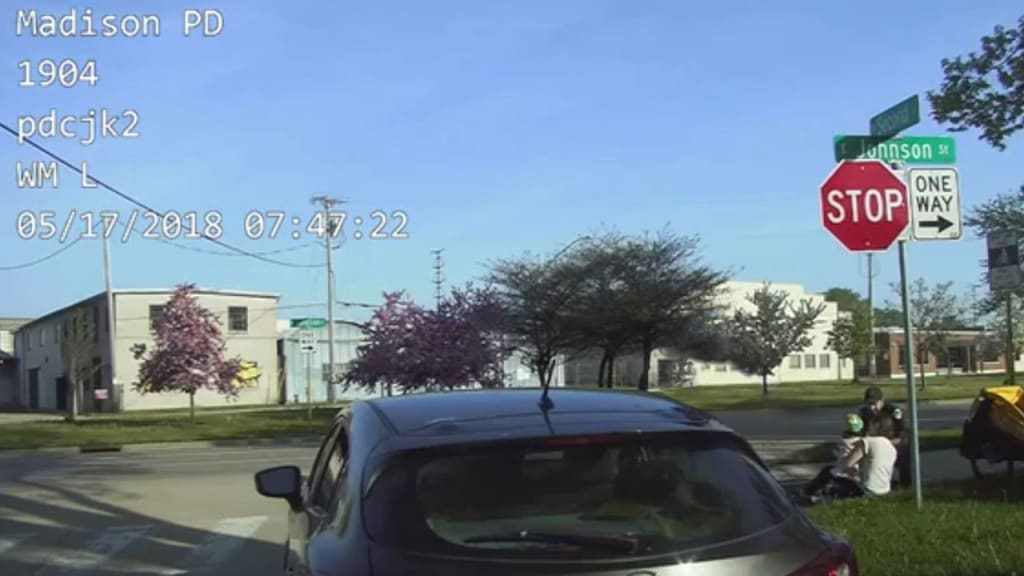
There are moments in life that define us, and sometimes moments so traumatic we need to redefine ourselves. We hear about these life events happening to other people but are rarely prepared for them to touch our lives. I was in shock when I found myself lying in the street, and my daughter tipped over in the bike trailer after a driver crashed into us. Moments earlier, the car had been moving towards my bike, and I didn’t have time to get us out of the way. My daughter was crying, and I tried my best to calm down. We did the best we could in that horrible, unexpected moment.
While I know we are lucky, and the outcome of the crash could have been worse, seeing my frightened three-year-old child in that moment changed me. I couldn’t sleep normally for months with the vision of my daughter after the crash frozen in my mind. I couldn’t process that moment because the fear of what I could have lost wouldn’t leave me. Although time healed my bruises, challenges remained that affected me daily, like walking.
It took years of doctors’ appointments for me to get a diagnosis. During that time, I spent countless hours wondering what was causing my pain and worrying about what people thought when they saw my jerky walking. I felt trapped with legs that would not cooperate with me, like a foreigner inside my own body. I felt the long glances from others pierce my confidence before they would quickly look away.
Things reached a new low when I had to hold onto furniture to make it around the house. My local doctors worked with me and could not find an answer. My next step was rolling into Mayo Clinic in a wheelchair. My mom helped push me through appointments and tests until I finally received a diagnosis of a functional neurological disorder. My brain, nerves, and muscles are not functioning together as they should; my nervous system was stuck in a different pattern. The cause of these disorders is still unknown but may be triggered by a reaction to stress or trauma. The emotional trauma of the bike crash was causing my body to create an abnormal movement pattern.
At first, none of this made sense. How could my emotions unconsciously create physical symptoms? I’m a graphic designer. My expertise does not include brain function and neurology. As I sought more answers, I became interested in the work of psychologist and neuroscientist Lisa Feldman Barret. In her Ted Talk, she says, “… emotions are guesses. They are guesses that your brain constructs in the moment where billions of brain cells are working together, and you have more control over those guesses than you might imagine that you do.” Her talk reinforced my doctor’s message that I could rebuild neurological connections and gain more control over the guesses; walking as I did before the crash must go hand-in-hand with my emotional healing.
Today, I’m rebuilding connections literally one step at a time. I know now that it’s not about walking further or faster. With help from Mayo Clinic, I’ve learned that it’s all about quality motion and repetition. Stopping to reset and focusing on breathing will help me retrain. I have good and bad days. Sometimes I trip over my own foot as I walk down the sidewalk, or my cane gets tangled in long plant leaves, but I’m figuring things out. I am also experiencing the importance of universal design from a new perspective. Feeling happy about my little daily accomplishments can fuel more joy to help me meet my next goal. Normal walking may come and go for me, but what is “normal” anyway? I can only try my best to keep redefining myself and healing.
About the Creator
Keep reading
More stories from Shailah Handy and writers in Psyche and other communities.
How to Succeed at the Benson Directory®
Congratulations and welcome to the Benson Directory® employee #22391! As our newest call handler, you will have the privilege of speaking with dozens of unique and interesting people on a daily basis as well as the opportunity to earn bonuses for high performance. Contained within this handbook you will find a set of ease to follow instructions designed to help you settle in to your new role and begin paving the way to success.
By S. A. Crawford2 days ago in Fiction



Comments
There are no comments for this story
Be the first to respond and start the conversation.