
Recognizing ADHD in Adults: 10 Common Signs
When most people think of Attention-Deficit/Hyperactivity Disorder (ADHD), they picture an energetic child who can't sit still or pay attention in class.


However, ADHD isn't limited to childhood. In fact, many adults live with undiagnosed ADHD, often struggling with its symptoms without realizing the underlying cause. Recognizing the signs in adulthood is essential—not only for personal understanding but also for seeking support that can greatly improve daily life, relationships, work performance, and overall well-being.
Below are ten common signs of ADHD in adults. If several of these resonate with you or someone you know, it might be time to seek professional evaluation.
1. Persistent Disorganization
Adults with ADHD often experience chronic disorganization. This may show up in cluttered living or workspaces, forgotten commitments, and difficulty keeping track of responsibilities. Disorganization isn’t due to a lack of effort—it’s often the result of executive function challenges that make it hard to create and follow through on structured systems. Over time, this can lead to frustration and decreased confidence.
2. Chronic Forgetfulness
We all forget things from time to time, but for adults with ADHD, forgetfulness can be constant. This might include forgetting names, appointments, deadlines, or where you left your keys for the third time today. These memory lapses can affect job performance and strain personal relationships, especially when others interpret them as carelessness or lack of attention.
3. Difficulty Sustaining Attention
Do you find your mind drifting during conversations, meetings, or even while watching a movie? Adults with ADHD often struggle to maintain attention, especially when the topic doesn’t fully engage them. This can make reading, following instructions, or completing tasks challenging—despite a genuine desire to stay focused and be productive.
4. Impulsivity
Impulsive actions or comments are another hallmark of adult ADHD. This can include interrupting others, making snap decisions without weighing the consequences, or engaging in risky behaviors. While impulsivity can sometimes lead to creative or spontaneous thinking, it can also result in misunderstandings, financial trouble, or emotional conflict.
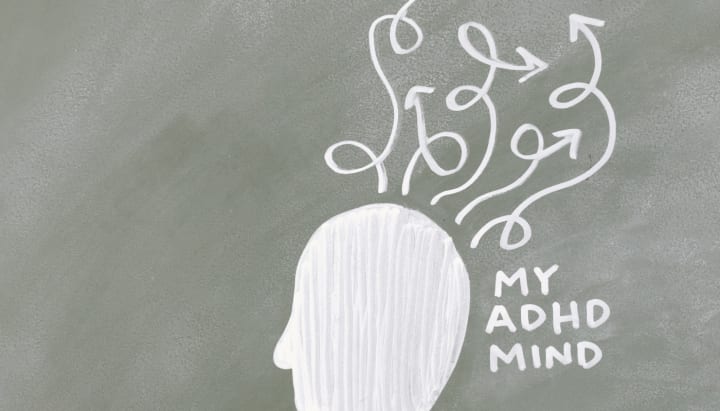
5. Restlessness and Fidgeting
Though hyperactivity in children with ADHD is often easy to spot, it tends to manifest more subtly in adults. Instead of running or climbing, adults may feel internally restless or have a constant urge to move. They might fidget, tap their feet, or find it difficult to relax. This underlying restlessness can contribute to feelings of anxiety or being overwhelmed.
6. Time Management Challenges
One of the most common struggles adults with ADHD face is managing time effectively. This can involve chronic procrastination, being consistently late, underestimating how long tasks will take, or difficulty breaking projects into manageable steps. These issues can lead to missed opportunities and increased stress at work or home.
7. Emotional Dysregulation
Adults with ADHD often find themselves feeling emotions more intensely than others. Seemingly minor frustrations can provoke strong reactions, and mood swings can occur without clear cause. Difficulty regulating emotions can impact self-esteem and lead to tension in personal and professional relationships.
8. Trouble Prioritizing Tasks
When faced with multiple tasks or deadlines, adults with ADHD may find it hard to identify what to tackle first. The result? Jumping between tasks, leaving projects unfinished, or getting caught up in less important details while more urgent responsibilities fall behind. This can create a cycle of stress and self-criticism.
9. Avoidance of Tasks Requiring Sustained Effort
Tasks that require prolonged concentration—such as writing reports, organizing finances, or long-term planning—are often overwhelming. As a result, adults with ADHD may avoid them altogether, even if they’re important. This pattern can hinder career advancement or cause ongoing personal challenges.
10. Relationship Difficulties
From missed anniversaries to zoning out during conversations, ADHD symptoms can impact relationships in significant ways. Loved ones may interpret forgetfulness or inattentiveness as a lack of care or interest. Over time, this can lead to conflict, resentment, or feelings of emotional distance—on both sides.
Seeking Support
If many of these signs feel familiar, you’re not alone. ADHD in adults is more common than many realize, and recognizing the symptoms is the first step toward positive change. Proper diagnosis and treatment can significantly improve your quality of life.
At Family Psychology Place, we understand the challenges that come with adult ADHD. Our experienced mental health professionals provide comprehensive assessments and develop individualized treatment plans that may include therapy, coaching, and lifestyle strategies tailored to your unique needs.
Don’t wait to take control of your mental health. Contact us today to schedule a consultation and begin your journey toward greater clarity, balance, and confidence.
About the Creator
Family Psychology Place
The Family Psychology Place is the largest private psychology clinic in western Canada. We have many psychologists, most full-time and some part-time. We also have MSWs, speech language therapists, occupational therapists.
Keep reading
More stories from Family Psychology Place and writers in Psyche and other communities.
Find Peace of Mind: Anxiety Counselling in Calgary
At The Family Psychology Place, we offer anxiety counselling in Calgary that’s personalized to your unique needs. Our compassionate team is here to help you regain a sense of control, calm, and confidence in your everyday life.
By Family Psychology Place9 months ago in Psyche
Do You have a Support Network?
Life is harder when you’re on your own. Human beings are social creatures, and we usually feel better when we have support from a strong social network around us. For most people, it’s our families that hold us together like glue.
By Elizabeth Woodsabout 23 hours ago in Psyche
Beyond the Doll: Moving from Token Gestures to Real Support for Autistic People
This week, Barbie announced the release of a new autistic Barbie doll, aiming to increase visibility and acceptance for autistic individuals. While the intention is commendable, it raises important questions about whether symbolic gestures like this truly address the needs of autistic people. Research and lived experience suggest that meaningful representation and concrete support in society are far more impactful than launching a product labelled as “inclusive”.
By Sarah Xenos3 days ago in Psyche


Comments
There are no comments for this story
Be the first to respond and start the conversation.