
Prejudice: Understanding the Unconscious Bias That Shapes Our Thoughts, Actions, and Society
Exploring the Psychological Roots of Prejudice and How It Impacts Our Perceptions, Relationships, and Daily Interactions.

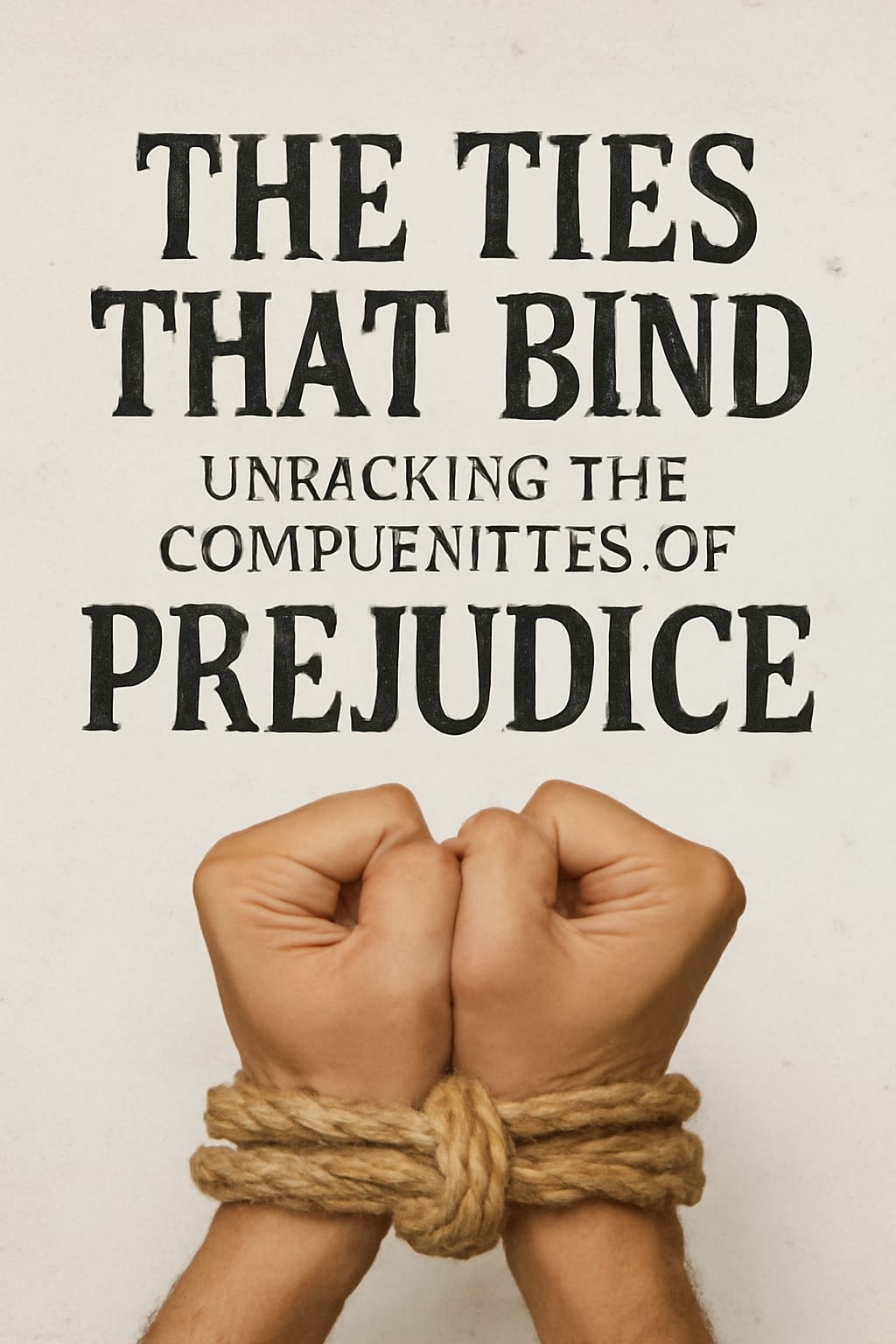
Introduction:
Every individual is shaped by their experiences, beliefs, and values, which guide how we view the world and the people around us. However, sometimes, our minds develop unfair assumptions or biases without our conscious awareness, forming prejudices. These prejudices are mental attitudes that lead us to make judgments about others based on stereotypes, past experiences, or societal influences. Whether it’s based on race, gender, religion, appearance, or social status, prejudice limits our ability to view others objectively, and it hinders our ability to build inclusive and respectful relationships.
Prejudice is not just a social issue—it’s a psychological phenomenon that impacts how we think, act, and interact in our daily lives. This article delves into the psychological roots of prejudice, explores its causes, and examines how it affects our relationships, decision-making, and society as a whole.
The Psychological Roots of Prejudice
Prejudice doesn’t just arise out of nowhere; it’s often deeply rooted in the way we’re conditioned to think. It can be shaped by our upbringing, our culture, and even unconscious biases that we’re not fully aware of. Understanding the psychological factors behind prejudice is crucial to addressing it in our personal lives and within society.
How Prejudice Develops:
1. Cultural and Societal Conditioning:
From an early age, individuals are influenced by the culture and society they are a part of. Cultural norms, media representations, and family teachings can all shape our views about other people. If society perpetuates harmful stereotypes or reinforces negative associations with certain groups, we internalize these beliefs and make assumptions about individuals based on these factors.
2. Past Experiences and Learned Behavior:
Our experiences with people from different backgrounds play a significant role in the development of prejudice. If a person has had negative experiences with a particular group or individual, they may begin to generalize that experience and develop biased views toward the entire group. These biases can be hard to shake, especially if the negative experiences are tied to strong emotions.
3. In-group Bias and Social Identity Theory:
Humans have a natural tendency to identify with groups they belong to—whether that be based on nationality, religion, race, or other shared characteristics. This social identity often leads to in-group favoritism (preferring people who are like us) and out-group bias (disliking those who are different). This phenomenon, known as social identity theory, explains why prejudice can be so deeply ingrained: we define ourselves by our group affiliations, and people outside those groups are often viewed with suspicion or disdain.
The Impact of Prejudice:
Prejudice doesn’t just affect the individuals who are targeted—it impacts society as a whole. From psychological effects on those who are discriminated against, to the way prejudice shapes our decisions, behaviors, and interactions, the ripple effects of prejudice are far-reaching.
1. Psychological Effects on Individuals:
Individuals who are the targets of prejudice often experience significant psychological distress. Feelings of inferiority, anxiety, depression, and isolation are common among those who face discrimination or bias. The constant awareness of being judged unfairly can erode self-esteem, leading to lower confidence in their abilities and potential.
2. Social Relationships and Communication:
Prejudice often leads to the fragmentation of social relationships. It creates barriers between individuals and groups, preventing open communication and mutual understanding. When people view others through the lens of prejudice, they fail to recognize them as unique individuals, and instead, categorize them based on stereotypes. This hampers the development of trust, cooperation, and healthy interpersonal connections.
3. Impact on Professional and Educational Opportunities:
Prejudice can significantly limit access to opportunities. Whether it’s in the workplace, education, or social environments, individuals from marginalized groups often face systemic discrimination. Unequal treatment in hiring practices, salary disparities, and restricted access to education based on biases can impact a person’s career and future prospects. As a result, prejudice perpetuates social inequality and hinders progress.
How Prejudice Affects Decision Making:
Prejudice operates on both a conscious and unconscious level, influencing our decisions in ways we may not even recognize. This can affect everything from the people we hire, to the people we befriend, to the policies we support in society. Let’s explore how prejudice can subtly guide our decisions.
1. Implicit Bias:
Implicit biases are unconscious attitudes or stereotypes that we hold toward certain groups. These biases often contradict our conscious beliefs and values, making them particularly insidious. For example, someone may believe in equality and fairness but still make biased decisions based on racial or gender stereotypes without realizing it. Implicit bias can influence hiring practices, healthcare decisions, law enforcement, and many other aspects of society.
2. Judgment and Decision-Making:
When we make decisions about people, we often rely on cognitive shortcuts, or heuristics, that help us process information quickly. However, these shortcuts can sometimes lead to biased decisions. Prejudice may affect decisions about who gets hired for a job, who gets the promotion, or who gets the opportunity for a scholarship. Stereotyping and making assumptions based on group identity can often lead to unfair outcomes, even if they were not intended.
Overcoming Prejudice: Steps Toward Change
While prejudice may be a deeply ingrained issue, it is possible to challenge and reduce its influence. Here are some effective steps individuals and society can take to combat prejudice and foster inclusivity.
1. Self-Awareness and Reflection:
The first step in addressing prejudice is acknowledging that we all hold biases, whether we are aware of them or not. Reflecting on our own thoughts and feelings toward different groups can help us become more self-aware of the prejudices we may harbor. It is important to examine where these biases come from and how they affect our interactions with others.
2. Exposure to Diversity:
One of the most effective ways to reduce prejudice is to engage with people from different backgrounds. When we interact with individuals from different races, cultures, and socioeconomic statuses, we gain a deeper understanding of their experiences and challenges. Exposure to diversity broadens our perspectives and can break down the stereotypes that fuel prejudice.
3. Education and Awareness Campaigns:
Educational programs focused on the importance of diversity and inclusion can be instrumental in changing societal attitudes. Schools, workplaces, and community organizations can implement anti-bias training to help individuals recognize their own prejudices and learn strategies for overcoming them. Knowledge is a powerful tool in dismantling stereotypes and promoting positive change.
4. Promoting Empathy and Understanding:
Empathy is essential in overcoming prejudice. When we put ourselves in others’ shoes, we can better understand their experiences and challenges. Creating spaces for open dialogue and sharing personal stories can help foster empathy and reduce negative stereotypes.
Conclusion:
Prejudice is not just a social issue—it’s a deeply psychological phenomenon that affects how we view ourselves and others. Its roots lie in our unconscious biases, societal conditioning, and personal experiences. The impact of prejudice is far-reaching, affecting everything from individual well-being to social cohesion and institutional fairness. However, by acknowledging and addressing our biases, increasing our exposure to diversity, and promoting empathy, we can work toward creating a more inclusive and equitable society. The journey to overcoming prejudice is a challenging one, but it is a necessary step in building a world where all individuals are judged by the content of their character, not the group they belong to.
About the Creator
The Insight Ledger
Writing about what moves us, breaks us, and makes us human — psychology, love, fear, and the endless maze of thought.
Keep reading
More stories from The Insight Ledger and writers in Psyche and other communities.
The Psychological Impact of Parents on Our Lives: Unseen Forces Shaping Our Future
Introduction: Parents are the first teachers in our lives. From the moment we are born, they shape our perceptions, beliefs, and behaviors, often without even realizing it. But have you ever stopped to think about how much of your personality, success, and challenges are influenced by the way your parents raised you? In this article, we’ll dive deep into the psychological impact that parents have on their children and explore why understanding this can be life-changing.
By The Insight Ledger 2 months ago in Psyche
The Age of Solitude: Why More People Are Choosing to Be Alone—and What It Means for Society
Introduction: The Quiet Revolution of Being Alone Being alone has never been easy. Throughout history, solitude has been conceived as loneliness—something to be pitied or feared, a condition of the rejected or unwanted. It was the opposite of belonging, an shadow cast by human failure to connect.
By The Chaos Cabinetabout 11 hours ago in Psyche
Miss Persephone's Manual to a Seemingly Ordinary Life
Miss Persephone was found at the dining table, her blue eyes swollen, her tears arriving and retreating like the tides of the ocean. Earlier that day, her family had visited her in the retirement home where she had lived for eight years. It was her eightieth birthday.
By Imola Tóth3 days ago in Fiction




Comments (1)
"This article dives deep into how prejudice shapes our thoughts and actions, often without us realizing. A powerful reminder of the impact of unconscious bias on our lives. 🤔💭 A must-read for building empathy and breaking down barriers. 💪🌍"