
PMDD and Productivity: Tips for Managing Symptoms at Work or School
PMDD and Productivity: Tips for Managing Symptoms at Work or School
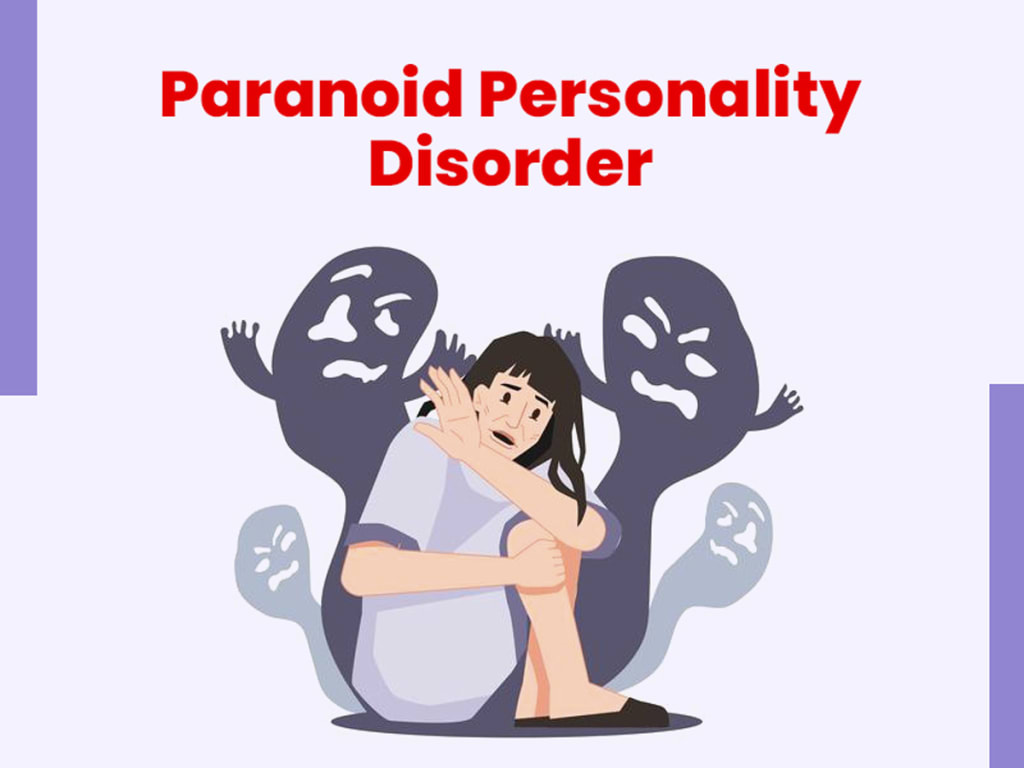
Premenstrual dysphoric disorder (PMDD) is a hormonal mood disorder that affects around 5-8% of menstruating women. PMDD is a severe form of premenstrual syndrome (PMS) that can significantly impact the quality of life for those who suffer from it. PMDD can cause mood swings, irritability, anxiety, depression, and physical symptoms such as bloating, cramps, and fatigue. While PMDD is often associated with adult women, it can also affect adolescents.
PMDD typically occurs in the two weeks leading up to a woman's period and improves once the period starts. The severity of PMDD symptoms can vary from month to month and can range from mild to severe. The exact cause of PMDD is not yet fully understood, but it is thought to be related to hormonal fluctuations during the menstrual cycle. PMDD is not the same as PMS, as PMS symptoms are typically less severe and do not significantly impact daily functioning.
PMDD can be particularly challenging for adolescents, who are already navigating the difficulties of puberty and hormonal changes. Adolescence is a time of significant physical and emotional development, and PMDD can exacerbate existing mental health issues or create new ones. Adolescents with PMDD may experience increased feelings of depression, anxiety, and low self-esteem, and they may struggle with academic performance and relationships with peers and family members.
Recognizing PMDD in Adolescents
Recognizing the signs of PMDD in adolescents is essential to provide the necessary support and treatment. PMDD symptoms can be easily confused with normal teenage mood swings, making tracking the timing and severity of symptoms essential. Adolescents with PMDD may experience the following symptoms:
Mood swings: Adolescents with PMDD may experience significant changes in mood, ranging from irritability and anger to depression and anxiety.
Physical symptoms: PMDD can cause physical symptoms such as bloating, breast tenderness, and fatigue, which can impact daily functioning.
Social withdrawal: Adolescents with PMDD may withdraw from social situations, avoid school or extracurricular activities, and struggle to maintain relationships with friends and family members.
Changes in appetite: PMDD can cause changes in appetite, including cravings for unhealthy foods, which can lead to weight gain.
Poor concentration: PMDD can make it difficult for adolescents to concentrate and complete tasks, which can impact academic performance.
If an adolescent experiences any of these symptoms in the two weeks leading up to their period, it is essential to speak with a healthcare provider to determine if PMDD is the underlying cause.
Treating PMDD in Adolescents
The treatment of PMDD in adolescents often involves a combination of medication and therapy. Medications such as antidepressants, birth control pills, and hormone therapies can be effective in managing PMDD symptoms. Antidepressants such as selective serotonin reuptake inhibitors (SSRIs) can help regulate mood and alleviate symptoms of depression and anxiety. Birth control pills and hormone therapies can regulate hormonal fluctuations and alleviate physical symptoms such as bloating and breast tenderness.
In addition to medication, therapy can help adolescents with PMDD manage their symptoms and develop coping mechanisms. Cognitive-behavioral therapy (CBT) can effectively address negative thought patterns and teach coping strategies. CBT can also help adolescents manage stress and improve their overall mental health.
Experiencing Trauma and PMDD
Experiencing trauma can significantly impact an adolescent's mental health and increase the likelihood of developing PMDD. Trauma can cause significant stress, leading to hormonal imbalances that can exacerbate PMDD symptoms. Trauma can also cause or contribute to other mental health issues, such as depression and anxiety, which can make PMDD symptoms more severe.
How to know if you have experienced trauma, it is essential to seek support from a healthcare provider or mental health professional. Symptoms of trauma can include flashbacks, avoidance of triggers, changes in mood and behavior, and physical symptoms such as headaches and stomachaches.
In conclusion, PMDD can significantly impact the quality of life for adolescents and should be recognized and treated promptly. With the right support and treatment, adolescents with PMDD can manage their symptoms and improve their mental health. It is essential to seek support from healthcare providers and mental health professionals, particularly if you have experienced trauma. By prioritizing mental health and self-care, adolescents with PMDD can thrive and overcome the challenges they face.
About the Creator
Keep reading
More stories from Mental Health Eaxperts 123 and writers in Psyche and other communities.
PMDD in Adolescents: Recognizing and Supporting Young Women with Hormonal Mood Disorders
Premenstrual dysphoric disorder (PMDD) is a hormonal mood disorder that affects women during their menstrual cycle. It is a severe form of premenstrual syndrome (PMS) and can cause significant emotional and physical symptoms that interfere with daily activities, relationships, and overall quality of life. While PMDD is more commonly associated with adult women, it is also prevalent among adolescents. In this article, we will discuss PMDD in adolescents, recognizing and supporting young women with hormonal mood disorders, and how to deal with paranoia in a relationship.
By Mental Health Eaxperts 1233 years ago in Psyche
Why Our Brains Remember Negative Experiences More Than Positive Ones
Have you ever noticed that a single criticism can overshadow a dozen compliments? Or that a stressful incident lingers in your memory far longer than a joyful moment? This phenomenon is known as negativity bias, a cognitive tendency where the brain prioritizes negative experiences over positive ones. It’s not a flaw — it’s an evolutionary adaptation that has helped humans survive for thousands of years.
By Games Mode On3 days ago in Psyche
Affection and Healing for Yourself
During the night of the last quarter moon, I gathered my ritual supplies. I carefully handled the chunk of black tourmaline that would protect me from your overall negative and narcissistic energy. I carefully walked the house with my stick of selenite in hand, asking the universe to cleanse our working space.
By Alisha Wilkins ✒️🦋🖋️2 days ago in Fiction


Comments
There are no comments for this story
Be the first to respond and start the conversation.