

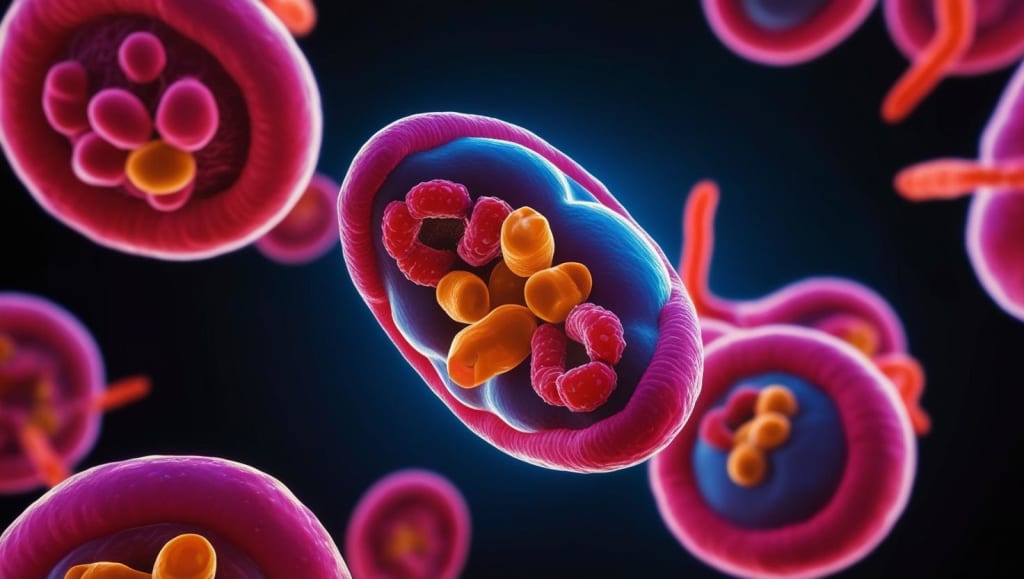
Stem Cells and the Future of Parkinson’s Treatment: Two Studies Point to a Breakthrough
For millions of people living with Parkinson’s disease, recent developments in stem cell research have sparked a new wave of hope. In a pair of groundbreaking studies, scientists reported that stem cell transplants into the brains of Parkinson’s patients not only survived but also produced dopamine—the chemical most affected by the disease. Even more encouragingly, early results showed that some patients experienced measurable improvements in their symptoms.
These results, while preliminary, suggest that a long-pursued goal in neuroscience—replacing lost or damaged neurons with healthy, lab-grown cells—is finally within reach.
Understanding Parkinson’s and the Role of Dopamine
Parkinson’s disease is a progressive neurodegenerative disorder that affects approximately 1 million people in the United States and over 10 million worldwide. It is caused by the gradual death of dopamine-producing neurons in a region of the brain called the substantia nigra. Dopamine is critical for regulating movement and coordination, and its loss leads to hallmark symptoms such as tremors, rigidity, slowness of movement, and balance issues.
While current treatments, including medications like levodopa and deep brain stimulation, help manage symptoms, they do not stop or reverse the disease. The dream of restoring lost dopamine function has remained elusive—until now.
Two Studies
Both studies, published in the prestigious journal *Nature*, aimed primarily to evaluate the safety of stem cell therapies. Yet the encouraging outcomes went beyond expectations.
One study, conducted by researchers in the U.S. and Canada, used human embryonic stem cells to create immature brain cells known as neuron progenitors. These cells were then surgically implanted into specific areas of the brain responsible for movement control.
The trial involved 12 participants who received either a low or high dose of the stem cell product developed by BlueRock Therapeutics, a subsidiary of Bayer. PET scans conducted 18 months post-surgery showed that the transplanted cells were not only surviving but also actively producing dopamine.
More strikingly, patients in the high-dose group experienced significant symptom improvement. According to Dr. Lorenz Studer, a stem cell biologist at the Sloan Kettering Institute and advisor to BlueRock, "The high-dose group got about 20 points better on the Parkinson's disease rating scale—a major reversal considering the typical patient declines two to three points each year."
The second study took place in Kyoto, Japan, and used a different type of stem cell—induced pluripotent stem cells (iPSCs). These are adult cells, often taken from a patient’s skin or blood, that have been genetically reprogrammed to an embryonic-like state. The appeal of iPSCs lies in their ability to sidestep ethical issues associated with embryonic stem cells and reduce the risk of immune rejection.
In this trial, seven patients received iPSC-derived dopamine neurons, injected into both sides of their brains. As with the U.S. study, the transplanted cells produced dopamine, and the patients reported symptom relief. Importantly, neither study observed serious adverse effects, a critical milestone in stem cell therapy.
The Long Road to Success
These studies mark a milestone in a journey that has taken decades. The idea of replacing dopamine neurons dates back to the 1980s when scientists first experimented with transplanting fetal brain tissue into Parkinson’s patients. While some patients benefited, the outcomes were inconsistent and occasionally troubling, with side effects like dyskinesia (involuntary movements).
Stem cells offered a more controlled, ethical, and scalable alternative, but the path forward was slow. Dr. Studer’s team spent over 25 years refining the techniques needed to reliably produce dopamine neurons from stem cells.
“It took us nearly 10 years to figure out the recipe—how to make specifically those dopamine cells,” Studer explained. “It took us another 10 years to produce a version we were confident enough to try in patients.”
Challenges ranged from biochemical complexity to engineering enough cells for human use. Creating large batches of stem cells that could be stored, transported, and safely implanted required breakthroughs in both biology and biotechnology.
The Promise and the Caution
Although these trials are small and still in early phases, they provide a tantalizing glimpse of what the future might hold. Dr. Mya Schiess, a neurologist at UTHealth Houston who was not involved in the studies, described the results as transformative: “Now we have the potential to really halt this disease in its tracks.”
However, researchers are careful to temper enthusiasm with realism. A Phase 3 trial—the final and most rigorous stage before potential FDA approval—is necessary to establish efficacy and monitor long-term safety. It will involve larger patient populations and potentially include comparative arms using standard therapies.
Ethical and logistical questions also remain. For instance, while embryonic stem cells offer a robust platform, they are not derived from the patient’s own body, raising the possibility of immune rejection. In contrast, iPSC-based treatments use a patient’s own cells, minimizing immune risk but introducing variability in cell quality and requiring more customization—making the process slower and more expensive.
Still, with the FDA already greenlighting one therapy for Phase 3 testing, the field may be closer than ever to offering a regenerative treatment for Parkinson’s.
Broader Implication
Success in treating Parkinson’s with stem cells could have ripple effects across neurology and regenerative medicine. The same principles might be applied to other neurodegenerative disorders like Alzheimer’s, ALS, or Huntington’s disease, all of which involve the progressive loss of specific brain cell types.
Furthermore, advances in iPSC technology are opening up personalized medicine approaches. Scientists could not only replace lost neurons but also test drugs on a patient’s own cells in the lab before administering them—a process known as “disease modeling.”
Looking Ahead
While a cure for Parkinson’s is not yet at hand, these new studies represent a critical leap forward. The potential to slow, stop, or even reverse the disease has transitioned from a dream into a viable scientific goal. And for patients and families facing the daily challenges of Parkinson’s, that possibility means everything.
As Dr. Viviane Tabar, a lead investigator on the U.S. trial, put it: “We’re not just treating symptoms anymore. We’re talking about restoration—about truly healing the brain.”
Only time will tell how far this research can go, but the momentum is undeniable. A new era in Parkinson’s treatment may be just around the corner.
About the Creator
Gabriela Tone
I’ve always had a strong interest in psychology. I’m fascinated by how the mind works, why we feel the way we do, and how our past shapes us. I enjoy reading about human behavior, emotional health, and personal growth.
Keep reading
More stories from Gabriela Tone and writers in Psyche and other communities.
The Rhythm of Little Stars
The Rhythm of Little Stars A Journey to Finding the Perfect Baby Schedule When Emma first brought baby Oliver home from the hospital, she thought she was ready. She had read the books, joined the forums, listened to every piece of advice from mothers, grandmothers, neighbors, and strangers in grocery store lines. "Sleep when the baby sleeps," they said. "Feed on demand." "Let them cry it out." "Never let them cry it out."
By Gabriela ToneExclusive • 11 months ago
The BAFTA Awards
By now, in a stunning departure from recent years, most of the world is aware of what happened at the BAFTA film awards. Social Media Headlines will tell you the bare bones: that John Davidson, a Tourette's Syndrome advocate, shouted a racial slur at two Actors of Colour, Michael B Jordan and Delroy Lindo.
By Natasja Rose6 days ago in Psyche
International Women’s Day: the freedom not to be perfect
Today is International Women’s Day, and I’m writing this from the dining table while listening to Radio 3 Unwind. I’m sitting down with my laptop and a going-cold cup of tea, after Virginia Woolf’s famous essay A Room of One’s Own popped into my head. In it, she reflects that for a woman to write fiction, she needed two things: money and a room of her own (ideally with a door that closes). What she really meant, perhaps, was time to think and the freedom to exist inside her own mind.
By Chelsea Brancha day ago in Psyche




Comments
There are no comments for this story
Be the first to respond and start the conversation.