
OCD and anxiety: How to differentiate between the two and find the right treatment
OCD and anxiety: How to differentiate between the two and find the right treatment
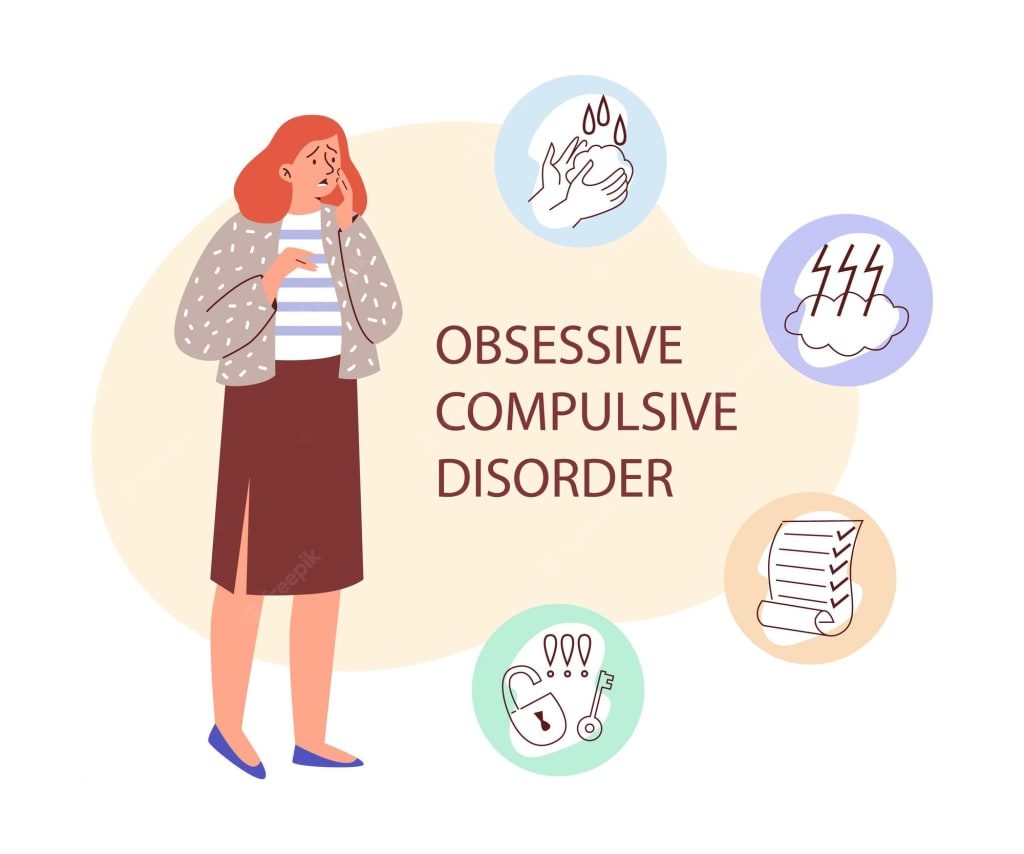
Experiencing anxiety is a normal part of human existence. It's our body's way of signaling danger, urging us to take action. However, when feelings of intense fear and distress become overwhelming and prevent us from doing everyday activities, an anxiety disorder may be the cause. One such disorder is Obsessive-Compulsive Disorder (OCD). Although OCD is classified under the umbrella of anxiety disorders, it is distinct enough to be separated out due to its unique symptoms. It is crucial to distinguish between general anxiety and OCD to seek appropriate treatment, such as traditional psychotherapy, medication, or emerging options like OCD online therapy.
Understanding OCD and Anxiety
Firstly, let's delve into understanding these two conditions.
Anxiety: Anxiety disorders involve more than temporary worry or fear. For a person with an anxiety disorder, the anxiety doesn't go away and can get worse over time. These feelings can interfere with daily activities such as job performance, school work, and relationships. Generalized Anxiety Disorder (GAD), panic disorders, and social anxiety are some examples.
OCD: Obsessive-compulsive disorder is a chronic and long-lasting disorder in which a person has uncontrollable, reoccurring thoughts (obsessions) and behaviors (compulsions) that they feel the urge to repeat over and over. Examples include fear of germs or contamination, unwanted forbidden or taboo thoughts involving sex, religion, and harm, or having things symmetrical or in a perfect order.
Differentiating OCD from Anxiety
To differentiate between OCD and anxiety, we must pay attention to the presence of obsessions and compulsions. OCD is characterized by cycles of obsessions and compulsions, while anxiety can be more generalized, characterized by a constant and overwhelming sense of worry that seems to arise from nowhere.
Individuals with OCD typically spend at least one hour a day on these thoughts or behaviors and don’t get pleasure from performing the rituals, but get brief relief from the anxiety the thoughts cause. On the other hand, anxiety might be more pervasive and constant, but less tied to specific rituals or intrusive thoughts.
It is also important to remember that it is possible to have both conditions simultaneously, and in such cases, the correct diagnosis can be complex.
Finding the Right Treatment
Once you've identified the nature of your condition, the next step is finding the right treatment. Both OCD and anxiety are treatable, and most people find relief from symptoms through professional care. But the treatment approach can differ.
Medication and Psychotherapy: Both OCD and general anxiety disorders can be treated with medication like selective serotonin reuptake inhibitors (SSRIs) and certain types of psychotherapy. Cognitive-behavioral therapy (CBT) has been found effective for both conditions.
Exposure and Response Prevention (ERP): For OCD specifically, a type of CBT known as Exposure and Response Prevention (ERP) is considered the most effective. This involves gradual exposure to fear-producing thoughts or situations and learning to cope with the anxiety they produce without resorting to compulsions.
OCD Online Therapy: With the advent of digital health, online therapy has emerged as a flexible, accessible, and effective treatment method for OCD. In an OCD online therapy setup, individuals meet with a licensed therapist via video calls or chat platforms. Patients can access the therapy from the comfort of their homes, which is particularly helpful for those who live in remote areas, have limited mobility, or prefer the privacy offered by online therapy.
OCD Online therapy follows the same principles as traditional face-to-face therapy and often involves components of ERP. It is typically structured and involves homework assignments for the patient between sessions. Research has found that online therapy can be just as effective as traditional therapy, and for some, it may be an even more comfortable and convenient option.
In conclusion, while OCD and anxiety disorders share some similarities, they each require a unique approach to treatment. Whether you opt for traditional psychotherapy, medication, or OCD online therapy, the important thing is seeking help. Mental health conditions like OCD and anxiety are not something that one needs to deal with alone. With the right help and support, you can manage your symptoms and lead a healthy, fulfilling life.
About the Creator
Keep reading
More stories from sanidhya sawant and writers in Psyche and other communities.
The Role of Therapy and Medications in Treating OCD
Introduction Obsessive-Compulsive Disorder (OCD) is a chronic and long-lasting mental health condition affecting millions worldwide. Those living with OCD struggle with uncontrollable, recurring thoughts or obsessions and behaviors they feel compelled to repeat, also known as compulsions. These symptoms can significantly impact an individual's quality of life and daily functioning. However, with the right therapeutic interventions and medications, these symptoms can be effectively managed. In this era of technological advancement, the availability of the best online therapy for OCD has emerged as a practical, accessible solution for many.
By sanidhya sawant3 years ago in Psyche
Let Grief Be Loud.
When I first started writing about grief, I thought it would be too hard, but it turns out to be the easiest thing I’ve ever done. It has been so easy reaching into my soul and spilling my feelings. Whether people read the poems or I’m posting without results, writing about grief and putting it out into the world has been so healing. Though I’ll never heal, I’m thankful for that, because it means I’ll always have something to write about.
By April Kirby.2 days ago in Psyche


Comments
There are no comments for this story
Be the first to respond and start the conversation.