
Migraines and Medication
Thoughts on My Experiences as a Medical Mystery Child

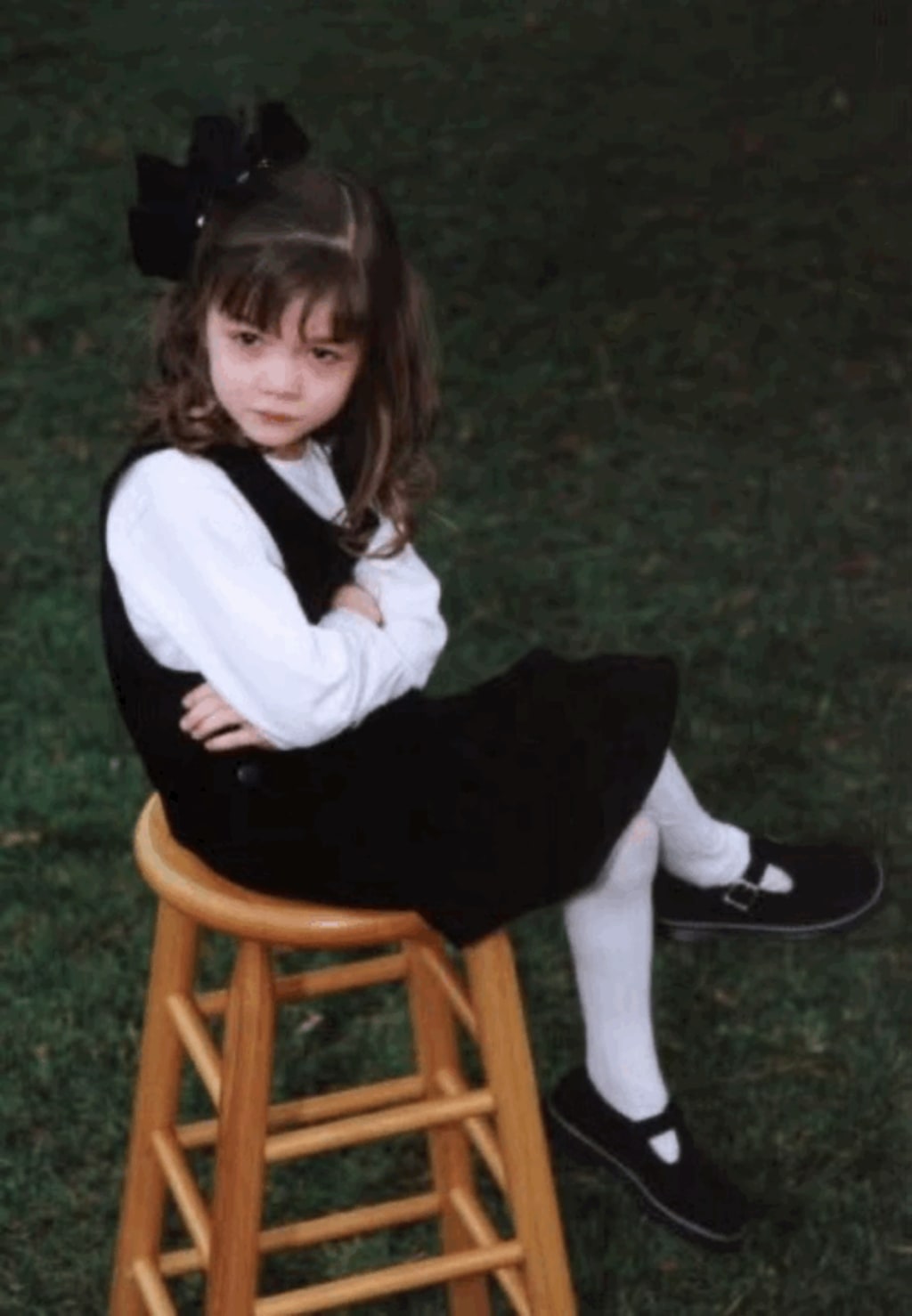
CW: References to severe chronic pain, dismissal by doctors, and drug addiction. This is a trauma dump in some ways.
It’s not really something you can understand unless you’ve lived it. So right now, for a few minutes, I invite you to live it with me: the dread and confusion of being a medical-mystery child.
I was probably nine the first time I had an actual migraine. I can’t say for sure: more normal headaches ceded space to migraines slowly, without my noticing the difference until, one day, I was at the neurologist’s office being told to touch my nose. Her finger. My nose.
But before that, before neurology would even look at me, there was the general practice doc. He was a good guy, and he’d seen me through flus and fevers plenty of times. A man limited by the era, I think, and maybe a bit jaded by the medical system. He was the first doctor I remember throwing pills at the misery that was my childhood chronic migraine problem.
Understand, please, that medicine was not the defining characteristic of my childhood. Not like kids who have to live in fear for their lives; not like kids that have to live in a bubble. It was simply that the pain was often real, and when it was there, it refused to be ignored. It became almost a character within me, a villain that would pop up screaming for attention and a bit of brain-stabbery. The best—the only— weapon I had in my own defense was the chemicals I was given to swallow, unintentionally shamed into tossing them down. All in all, my childhood was wonderful, my teen years mostly the same. Except that the phrase “she ought to rattle when she walks” referred to the amount of medication I was prescribed and pressured to take.
The pills. The first time I was prescribed something for pain, it was what I’d personally classify as “maybe mildly addictive.” I never played around with it, either— I’d been raised too well by people who loved me too much. It would knock a migraine flat in forty minutes—except when it didn’t—and, well, the next-level, only-when-necessary drugs made me feel just awful, so I avoided those when I could. That had to be the “better” of a bad situation, right? The side effects were minimal, and they included the upside of spot-treating my depression. Could’ve been much worse. Couldn’t it?
If you knew me in those days, my preteen through adult years, I can only say that I’m sorry— I didn’t know that what I was doing when I joked about my drugs was crying out for help. I thought I was being honest and straightforward about my medical problems. Maybe I was. But I look back at someone begging, babbling, for help. I’ve never known how to stop talking, so I didn’t. I just didn’t have the right words, didn’t know how to say that what was wrong was the treatment, and the attitude with which it was administered, as much as the pain itself.
Years passed. The headaches changed first—they got worse, more frequent, and thus more significant to my daily life. Other health problems arose; I don’t know causation vs correlation in those cases. But with each tick of the clock, each moment I grew, the monster of pain and of treatment grew. And as the headaches got worse—that was very much real and part of the problem—the medical community seemed to grow more exasperated that the little girl with the big pain wouldn’t shut up and get better.
Mom and Dad, especially, must have suffered—check that, did suffer—alongside me. They did everything in their power to help. They took me to good doctors, scheduled thorough tests, kept me on the cutting edge of migraine treatment. I can’t imagine the pain of watching your baby suffer like that. Or, I can, perhaps, but I don’t want to. Not today, not now.
The treatments that would help me, properly help, didn’t exist at that time. And maybe it wouldn’t have been so terrible, all in all, but for a few things:
I can’t remember a doctor who didn’t a) treat me like I was exaggerating, b) get frustrated when treatment didn’t work, or c) give up on my case entirely. Some doctors were a blend. Nobody was ever actually willing to see me through, to stick with me. That hurt, especially because they all seemed so caring at first. I wonder if some part of the doctors didn’t blame me for what they saw as their own failures. I don’t know. Ask their shrinks.
The other problem was the escalation issue. I kept asking for a solution—maybe that’s on me, for believing there was one just because trained medicos acted like there was. I did my best to stay hopeful; I don’t think that was a mistake, exactly, but neither was it quite the right course. I was searching for a piece of the puzzle, but the piece wasn’t there. And so, the prescriptions got stronger. Nastier, if you want to look at it that way. Harder on my body.
Side effects flew thick and fast in my early twenties. I fainted. Bruised like a peach. Vomited blood. Slept through my sister’s baby shower. Failed out of college because I had zero energy and tons of horrific pain. Through it all I tried to keep a smile pasted on and my hands busy.
I don’t mean to say that this was a bad time in my life. I got married, had kids. It was marvelous, mostly. But… I had this teacher once—English Lit. She told us that you had to know, reading Hamlet, that the sound of Fortinbras’ army marching ever closer to Denmark should echo in the back of our minds as we read every page. That was me and the pain, and the meds. I got married to a wonderful man I love and I broke down sobbing on our honeymoon because of a terrible drug interaction. I was pregnant and the doctor laughed at me for being afraid of giving the baby drug-induced birth defects. I had my kids and I worry every day that someday they’ll suffer migraines and drug addiction too. I enjoyed the growth of beautiful friendships and I had nightmares that my friends flushed my pills. I saw beauty and majesty and I don’t remember whole evenings of it because the medicines have erased them. Fortinbras’ army—the rising spectre of drug-addled days, my addiction.
And always, the echo of “I don’t know what’s wrong with you,” from doctors. From loved ones. “I wish I could help.” “How can I make it go away?”
You might think the sympathy was a good idea, and you would probably be right, except that sympathy wasn’t what I heard. Pity, judgement, abandonment. Not a lot of validation. Not a lot of “I’ll be with you whatever comes.” Not none, and I’m not trying to blame those close to me—if they tried, if they stayed, it means more than they can know. But the “I can’t, you’re too much, it’s too heavy”—those were the crushing times. The times that made it a little easier to swallow the pain pills, and push back every kind of pain.
This isn’t a tragedy. Keeping on the front lines of treatment has brought me to a solution that requires no drugs, and seems to actually be working (if you have migraines and ADHD, run to your eye doctor and ask for a BVD test.) But today I was walloped by the depth of the trauma I have left from twenty years of being a patient without effective help, without sincere hope. My daughter, at nine herself, is receiving better, more informed, more effective care than I ever could have, because it didn’t exist in my childhood. I cried tears of joy for her, and for me, when the doctor said she wasn’t going to just give my kid drugs. But some of the tears were because… because…
Because what all have I lost? What did I miss? What holes will never be filled in this life, and what gaps do I still have to span to make whole something that was taken away from me? What struggles will I carry ‘til the end of my days, and how many people out there have had it so much worse than I, in my ideal position, ever did?
I tried once to map out all the medications, tests, side effects, and procedures, from all the doctors, over all the years. I lost myself in hours of graphing and struggling to remember. I failed; I crumpled it up and threw it away.
I try every day to take a little less medication than I did yesterday. A little less than what my body and brain think they need. I’ve been told addiction never really dies, but I have hope that I can leave it behind me soon.
And you, why am I telling you this? For pity? Ha! I’ve had enough pity over all this, thank you. To educate you on the advances of pediatric neurology in the past twenty years? Not really, that isn’t my job. I guess, really, all I want is to be seen. To be heard. For that child, that teen, that young adult, that lives on in me, to be reached and healed like she deserves.
And maybe, just maybe, someone who reads this, someone who doesn’t have the words—the way I didn’t, then—maybe I can be a voice for them for a moment. Maybe they can hand it off and say, “this. I relate to this. I feel this.” And then—best of all—perhaps, the road for them won’t be as harsh as it was for me.
About the Creator
Brynne Nelson
I'm a writer. I'm a wife and a mom. I'm a human.
Keep reading
More stories from Brynne Nelson and writers in Psyche and other communities.


Comments
There are no comments for this story
Be the first to respond and start the conversation.