
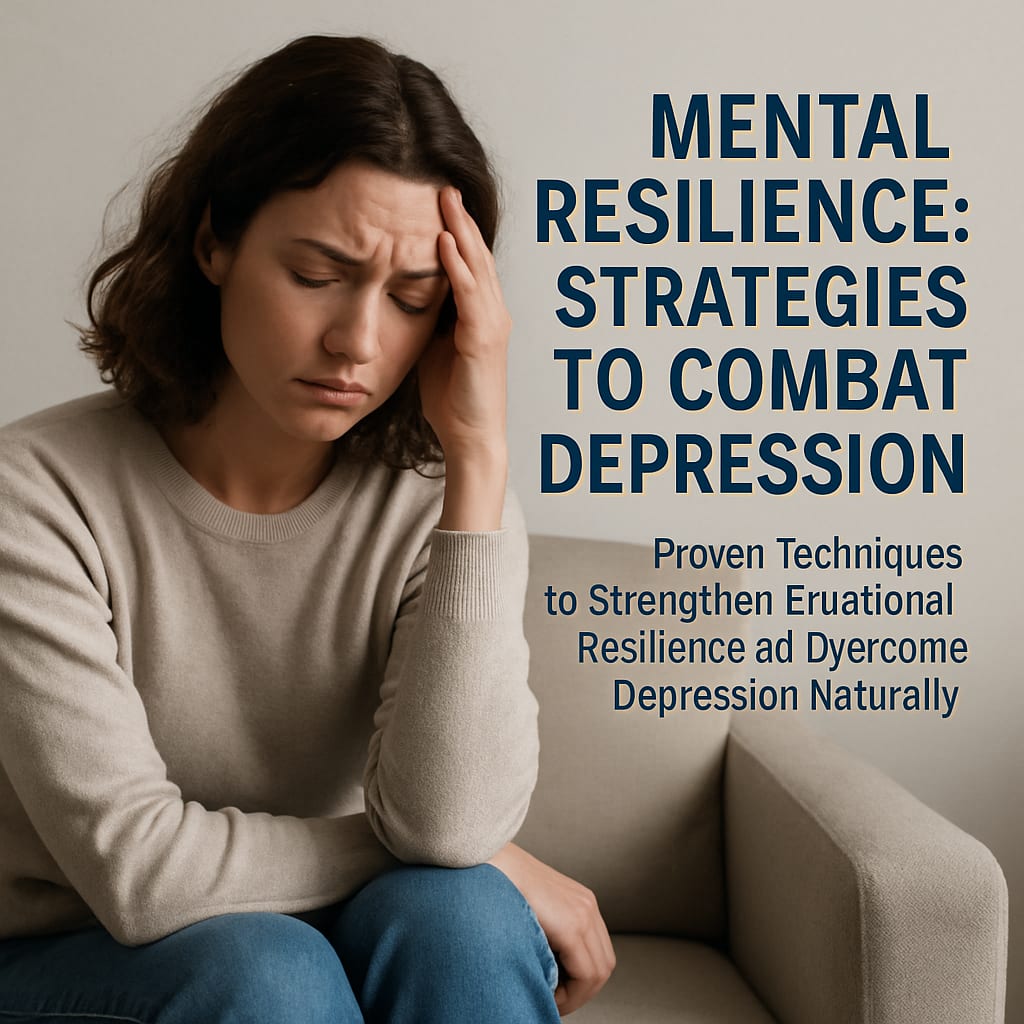
Mental Resilience: Strategies to Combat Depression
Proven Techniques to Strengthen Emotional Resilience and Overcome Depression Naturally

In a world filled with rapid change, increasing stressors, and emotional upheavals, the ability to maintain psychological well-being is more crucial than ever. Mental resilience, the capacity to bounce back from adversity, plays a vital role in combating depression.
Depression is not just a fleeting feeling of sadness; it is a pervasive mental health condition that can significantly impact one’s quality of life. Building mental resilience can help individuals manage symptoms, reduce the frequency of depressive episodes, and lead a more fulfilling life.
In this in-depth article, we explore scientifically backed strategies to enhance mental resilience and combat depression effectively.
Understanding Mental Resilience and Depression
Mental resilience is the psychological strength that allows people to cope with stress and hardship. Resilient individuals are not immune to difficulty, but they possess tools that help them recover faster.
Depression, on the other hand, is a common and serious mood disorder characterized by persistent feelings of sadness, loss of interest, and a range of physical and emotional problems.
The relationship between mental resilience and depression is inversely proportional: the higher the resilience, the better the chances of managing or avoiding depression. Factors that influence resilience include genetics, personality traits, early life experiences, and current support systems.
1. Cognitive Behavioral Strategies
Cognitive Behavioral Therapy (CBT) is one of the most effective evidence-based approaches for combating depression. It focuses on identifying and changing negative thought patterns and behaviors that contribute to depressive feelings.
Techniques to Try:
- Cognitive Restructuring: Challenge and reframe negative thoughts (e.g., "I'm a failure" becomes "I'm facing challenges, but I'm working through them").
- Behavioral Activation: Engage in activities that bring joy or a sense of accomplishment.
- Thought Journaling: Write down distressing thoughts and evaluate their validity objectively.
2. Building a Support Network
Social connections are a cornerstone of resilience. Having supportive relationships can provide emotional validation, reduce feelings of isolation, and encourage healthier coping mechanisms.
Strategies to Strengthen Social Support:
- Reach Out: Don’t hesitate to contact friends or family when feeling low.
- Join Support Groups: Online or local groups can provide a safe space to share experiences.
- Practice Active Listening: Strengthen relationships by being present and empathetic in conversations.
3. Mindfulness and Meditation
Mindfulness practices train the mind to stay present, reducing rumination and increasing emotional regulation. Regular mindfulness meditation can lower stress, enhance focus, and improve mood.
Ways to Incorporate Mindfulness:
- Daily Meditation: Start with 5-10 minutes of focused breathing or guided sessions.
- Mindful Activities: Practice mindfulness while eating, walking, or doing chores.
- Body Scan Exercises: Enhance self-awareness and physical relaxation.
4. Physical Health and Exercise
There is a strong link between physical and mental health. Regular physical activity releases endorphins, which are natural mood lifters, and helps regulate sleep and appetite, which can be disrupted in depression.
Exercise Tips for Mental Resilience:
- Aim for Consistency: Even 30 minutes of walking most days can make a difference.
- Choose Enjoyable Activities: Dancing, swimming, yoga, or sports increase adherence.
- Incorporate Strength Training: Builds confidence and physical stamina.
5. Establishing Healthy Routines
Predictability can provide comfort during emotionally turbulent times. Structured routines improve sleep, increase productivity, and reduce anxiety.
Key Routine Components:
- Sleep Hygiene: Maintain regular sleep-wake times and create a calming bedtime ritual.
- Balanced Nutrition: Eat meals rich in omega-3 fatty acids, complex carbs, and lean protein.
- Limit Stimulants: Reduce caffeine and alcohol intake, especially before bedtime.
6. Practicing Self-Compassion
Self-compassion involves treating oneself with kindness during times of failure or pain. It promotes emotional resilience and reduces self-criticism, a common feature in depression.
Ways to Cultivate Self-Compassion:
- Use Positive Affirmations: Replace self-critical thoughts with kind ones.
- Write a Self-Compassion Letter: Address yourself as you would a close friend.
- Acknowledge Common Humanity: Understand that suffering is a shared human experience.
7. Seeking Professional Help
Mental resilience does not mean doing everything alone. Therapists, counselors, and mental health professionals offer guidance, therapeutic interventions, and, when necessary, medication to support mental wellness.
When to Seek Help:
- If depressive symptoms persist beyond two weeks.
- If daily functioning is significantly impaired.
- If there are thoughts of self-harm or suicide.
Building mental resilience is not a one-time event; it's a lifelong journey of learning, adapting, and growing. While depression can be a formidable opponent, equipping oneself with the right strategies can make a profound difference.
From cognitive behavioral tools to lifestyle changes, mindfulness, and support systems, there are numerous pathways to fostering resilience. Remember, seeking help is a sign of strength, not weakness. With persistence and the right approach, it is entirely possible to rise above the darkness and live a vibrant, meaningful life.
About the Creator
Richard Bailey
I am currently working on expanding my writing topics and exploring different areas and topics of writing. I have a personal history with a very severe form of treatment-resistant major depressive disorder.
Keep reading
More stories from Richard Bailey and writers in Psyche and other communities.
Exploring Therapeutic Relationships: Building Trust in Depression Treatment
In the realm of mental health treatment, particularly for depression, the therapeutic relationship between a patient and their therapist is not merely a component of care—it is the cornerstone. Depression, with its multifaceted emotional, cognitive, and physiological symptoms, demands more than just clinical interventions; it necessitates empathy, understanding, and above all, trust.
By Richard Bailey10 months ago in Psyche
The BAFTA Awards
By now, in a stunning departure from recent years, most of the world is aware of what happened at the BAFTA film awards. Social Media Headlines will tell you the bare bones: that John Davidson, a Tourette's Syndrome advocate, shouted a racial slur at two Actors of Colour, Michael B Jordan and Delroy Lindo.
By Natasja Rose3 days ago in Psyche
Video Call Tarot Readings: An Evidence-Based Assessment of Format Effectiveness
The proliferation of video-based tarot consultations represents a significant structural shift in how divinatory services are delivered in the digital age. Video call tarot readings combine the visual transparency of in-person sessions with the geographic flexibility of remote consultations, creating a hybrid modality that merits careful evaluation against established formats such as telephone and text-based readings.
By Enrique Martinez5 days ago in Psyche



Comments
There are no comments for this story
Be the first to respond and start the conversation.