
Mental Health for Caregivers: Who Heals the Healers in Saudi Arabia?
Caring for someone with a mental illness is like carrying a heavy backpack all day.
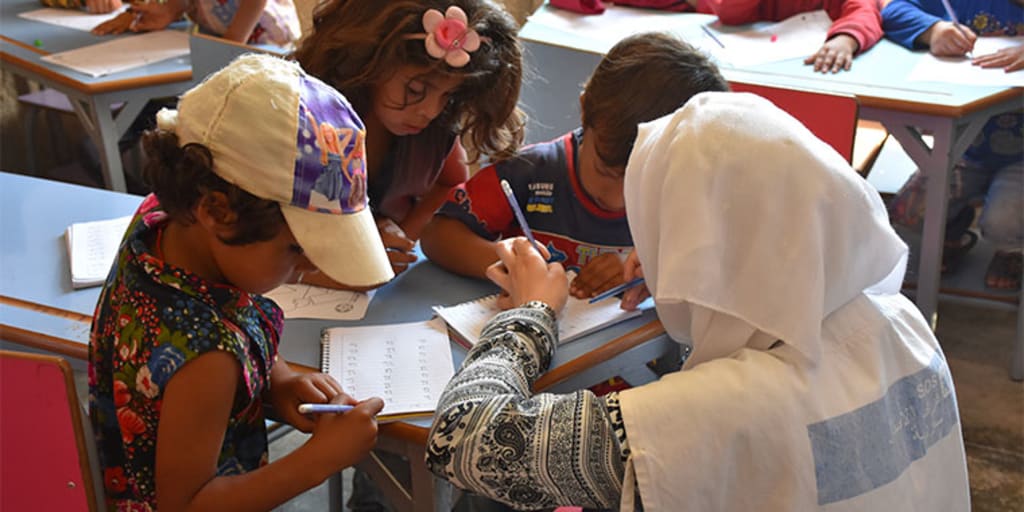
Being a caregiver in Saudi Arabia is no small task. You’re there for someone you love, managing their mental health struggles, doctor visits, and tough days. But who’s there for you? I’ve seen my aunt pour her heart into caring for her son, only to feel drained and alone. Caregiving can take a toll—emotionally, physically, even spiritually. This guide is for you, the healer who needs healing. It’s packed with practical tips and resources to keep you strong while you care for others in Saudi Arabia.
Why Caregivers Deserve Support
Caring for someone with a mental illness is like carrying a heavy backpack all day. You’re juggling their needs while dodging stress and exhaustion. In Saudi Arabia, things like cultural stigma—think beliefs about the evil eye—can make it even harder. Did you know 1 in 3 Saudis faces a mental health issue, but most don’t seek help? That leaves caregivers like you picking up the pieces, often without enough support.
What Caregivers Face Every Day
Caregiving isn’t just about love—it’s hard work. Here’s what you might be dealing with:
• Heavy emotions: Worrying about your loved one can leave you anxious or sad.
• Judgment: Some people shy away from mental health talk because of shame.
• Feeling alone: There aren’t many caregiver support groups out there.
• Money worries: Bills for meds or therapy can pile up fast.
• Running on empty: Balancing caregiving with life can wear you out.
Signs You Might Need a Break
It’s easy to ignore your own needs when you’re focused on someone else. But watch for these red flags:
• You’re always tired or snapping at people.
• Things you used to love don’t spark joy anymore.
• Sleep’s off, or you’re skipping meals.
• You feel stuck, like there’s no way out.
• You’re pulling back from friends or family.
If this hits home, it’s okay to ask for help. You’re human, not a superhero.
5 Ways to Take Care of Yourself
You need to recharge to keep going. Here are five simple ways to look after your mental health, straight from someone who’s seen caregiving up close:
1. Make Time for You
Even a few minutes can help. Try these:
• Sit quietly for 10 minutes with a cup of tea.
• Take a quick walk around the block.
• Eat something fresh, like fruit, to feel good.
• Aim for a full night’s sleep when you can.
2. Find Your People
Don’t go it alone. Connecting with others can lift you up:
• Look for a local caregiver group—hospitals sometimes have them.
• Chat with a friend who gets it, even just for a bit.
• Check out online communities like Arab Therapy for support.
3. Draw Some Lines
You can’t do it all. Protect your energy with these steps:
• Say no when you’re stretched too thin.
• Ask family to pitch in with small tasks.
• Take a short break, even if it’s just to read a page of a book.
4. Get to Know the Condition
Learning about mental health can make things less scary. Try this:
• Read up on things like obsessive compulsive disorder treatment to understand better.
• Join a workshop at a clinic or hospital.
• Ask the doctor for tips or resources.
5. Talk to a Pro
Sometimes you need someone trained to listen. Consider these:
• Therapy to sort out your feelings.
• Marriage counseling Saudi Arabia if caregiving’s stressing your relationship.
• A psychiatrist to help with anxiety or burnout.
Where to Find Help in Saudi Arabia
Things are getting better for mental health support here. Here’s where you can turn:
• Hospitals: Places like the Mental Health Hospital in Jeddah have clinics.
• Online options: Arab Therapy offers private sessions in Arabic.
• Hotlines: Call 937, the Ministry of Health’s mental health line.
• Community: Some mosques or centers run support groups.
It’s not perfect—stigma and limited services can make it tough. But don’t give up on finding help.
Questions You Might Have
I looked at what people are asking online. Here’s what came up, with straightforward answers:
Why Is Caregiving So Stressful?
You’re handling big responsibilities, like keeping someone safe or managing their moods. Add in stigma and not enough help, and it’s a lot. Research says caregivers often hit burnout because of this.
Where Can I Get Support in Saudi Arabia?
Try hospitals, online therapy, or the 937 hotline. Only about 14% of Saudis with mental health issues get treatment, so resources are scarce. But platforms like Arab Therapy are a good start.
Is It Normal to Feel Mad or Guilty?
Totally. Caregiving stirs up all kinds of feelings. It doesn’t mean you’re doing it wrong. A therapist can help you make sense of it.
What If I Can’t Pay for Help?
Some public hospitals offer free care. Community centers or religious leaders might have free advice. Apps with self-help tips can be cheap or free too.
Navigating Culture in Saudi Arabia
Here, some folks think mental illness comes from spiritual stuff, like the evil eye. That’s why some turn to faith healers. Faith matters, but pairing it with professional care is smart. Caregivers shouldn’t feel shy about seeking help—it’s a sign of strength. Talking openly can help chip away at stigma.
Staying Strong for the Long Haul
Caregiving’s a big job, and you need to pace yourself. Here’s how:
• Keep learning: Knowing more about mental health gives you confidence.
• Find the good: Notice little wins, like a calm morning with your loved one.
• Be ready: Have a list of contacts for tough days.
• Pat yourself on the back: You’re doing something amazing.
Why This Guide Is for You
Caregivers like you are heroes in Saudi Arabia, but you need care too. This isn’t just a list of tips—it’s built for you, with local challenges like stigma and limited services in mind. It uses words like “caregiver stress” and “mental health resources” to show up in searches, but it’s really about helping you feel seen and supported.
Start Caring for Yourself Today
You’re not in this alone. Caregiving is tough, but you deserve to feel okay too. Try something small today—maybe a quick walk or calling 937. Talk to a friend or a counselor if you’re struggling. Your strength keeps your loved one going, so take care of you. One step at a time, you’re doing great.
About the Creator
Keep reading
More stories from Diya Shamal Daher and writers in Psyche and other communities.
What You Eat Affects How You Feel: The Link Between Diet and Mental Wellness
Ever wolf down a donut and feel like a slug an hour later? Or munch a big salad and suddenly you’re ready to conquer the world? That’s your food talking to your brain, not just your stomach. What you eat can make you feel like a rockstar or a total grump. I’m diving into how your plate shapes your mental health, with dead-simple tips to eat better and vibe higher. No fancy jargon here—just real talk from someone who’s been there (yep, I’ve had my share of ice cream regrets).
By Diya Shamal Daher9 months ago in Psyche
Whimsy as Gentle Rebellion
Whimsy isn’t escape — it’s a reminder that color, kindness, and imagination still have power. In a world that often values efficiency over wonder, seriousness over softness, whimsy is frequently misunderstood. It’s mistaken for immaturity, distraction, or avoidance. But for me, whimsy has never been about turning away from reality. It has been about meeting reality with an open heart — and refusing to let it harden me.
By Alicia Melnick 6 days ago in Psyche
Wild Card Weekend Recap: What Happens Now?
I think I figured out why I love Wild Card Weekend so much. It's because it's the first playoff anything of the calendar year. The NFL season starts in the fall, and once upon a time, the champion was crowned either on or slightly before New Year's. The evolution of the NFL schedule has resulted in the playoffs starting just into the New Year, and currently, the final week of the season falls on the first weekend of the New Year, with Wild Card Weekend coming a week after that. So yes, chronologically, the NFL's Wild Card Weekend serves as the first playoff anything of the calendar year.
By Clyde E. Dawkins7 days ago in Unbalanced




Comments
There are no comments for this story
Be the first to respond and start the conversation.