
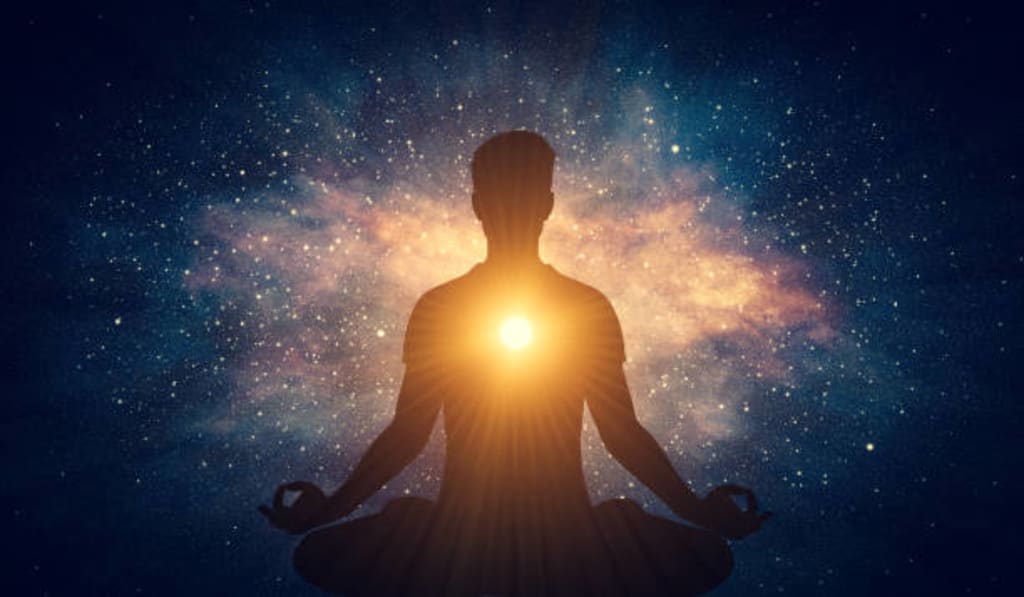
Spiritualism is a philosophy that believes in the existence of the soul and the spiritual world, and recognizes their significant role in human life. While expressed differently across various cultures and religions, spiritualism fundamentally emerged to give meaning and understanding to the world that humans inhabit.
At the core of spiritualism is the belief in the existence of a reality beyond the material world. This reality is thought to exist within the human mind or heart, as well as in a higher dimension, universal consciousness, or God.
Spiritualists attempt to develop themselves by connecting with the spiritual world through techniques such as meditation, prayer, and yoga. They also acknowledge that nature and the universe are one, and that by being aware of this unity, humans can exhibit positive behaviors that will affect themselves and their environment.
While spiritualism may be a religion or a way of life for some, it may be just a search for meaning for others. Since it is an area that can take on different meanings and practices according to each person's personal beliefs and experiences, there are no dogmas or rules regarding spiritualism.
I have an e-book for beginners in spiritualism if you are interested
How can you find yourself in spirituality?
To find yourself in spiritualism, you first need to embark on an internal journey. This journey can be achieved through meditation, yoga, prayer, or other spiritual practices. These practices can help you calm your mind, find emotional balance, determine your personal values, and find inner peace.
In addition, reading is also a way to find yourself in spiritualism. By reading books on spiritualism, learning about different philosophical and religious views, you can better understand yourself and the world. To find yourself, you need to take time for yourself, practice regularly, and be open-minded. Remember that finding yourself in spiritualism is a continuous journey of discovery, so you need to be patient and open to the process
How can I tell if I'm experiencing a spiritual awakening?
Spiritual awakening is a profound inner change that brings significant changes to your personal experiences and perceptions. While this experience can be different for everyone, some common signs may include:
Increased awareness: A sign of spiritual awakening is living with more awareness and attention in your life. You may notice details or events that you didn't previously notice or care about.
Emotional balance: Spiritual awakening can help you regain emotional balance. You may be better able to cope with situations that previously challenged you or dealt with negative emotions.
A sense of meaningful connection: During spiritual awakening, you may feel a deeper sense of connection between yourself, others, and the universe. This can give you a sense of meaning and purpose.
Self-discovery: During spiritual awakening, you can get to know yourself better and develop a clearer understanding of your personal values, beliefs, and goals.
A new perspective: Spiritual awakening can help you understand the world and life more deeply. You can look at your life and the world from a new perspective.
Change: Spiritual awakening can cause you to make changes in your personal behavior and thinking style. You may be able to give up negative habits or develop new and healthier habits.
Spiritual awakening can be a different journey and experience for everyone. If you recognize yourself in some of these signs, you are likely experiencing a spiritual awakening.
Unknown Negative Aspects of Spiritualism
Spiritualism is generally seen as an approach towards personal development, spiritual awakening, and seeking a higher understanding of existence. However, misusing or misunderstanding this approach can lead to some negative consequences. These can include:
Losing oneself: Some individuals may risk losing themselves during their spiritual quests. This can manifest in symptoms such as detachment from reality, losing emotional balance, and dissociating from their own personality.
Fake leaders: Spiritualism also attracts the attention of many fake leaders and fraudsters. These individuals may take advantage of people's spiritual quests to make money or manipulate them for other reasons.
Isolation: Some individuals may go to extremes in their spiritual quests, leading them to disconnect from society and social connections. This can lead to loneliness, depression, and other psychological problems.
Inappropriate practices: Some individuals may misuse spiritual practices. For example, they may view dangerous practices such as drug use or self-harm as a "spiritual journey."
Obsession: Some individuals may become obsessive during their spiritual quests, leading them to neglect other necessary aspects of a healthy life.
These are some of the negative consequences that may arise from misusing or misunderstanding spiritual quests. However, when used correctly, spiritualism can add great richness and meaning to people's lives.
Keep reading
More stories from writers in Psyche and other communities.
When Saying “No” Feels Strange
He did not plan to smoke that day. He was standing outside his school gate, bag on his back, waiting for the van. A boy from his class took out a vape. Another smiled and asked him to try. He refused at first. Everyone laughed, not loudly, not cruelly just enough to make him feel small.
By Muhammad Ayaan about 19 hours ago in Psyche
Wild Card Weekend Recap: What Happens Now?
I think I figured out why I love Wild Card Weekend so much. It's because it's the first playoff anything of the calendar year. The NFL season starts in the fall, and once upon a time, the champion was crowned either on or slightly before New Year's. The evolution of the NFL schedule has resulted in the playoffs starting just into the New Year, and currently, the final week of the season falls on the first weekend of the New Year, with Wild Card Weekend coming a week after that. So yes, chronologically, the NFL's Wild Card Weekend serves as the first playoff anything of the calendar year.
By Clyde E. Dawkins6 days ago in Unbalanced



Comments
There are no comments for this story
Be the first to respond and start the conversation.