
Into the Fade
A journey where reality blurs and identity dissolves in a world beyond the ordinary.

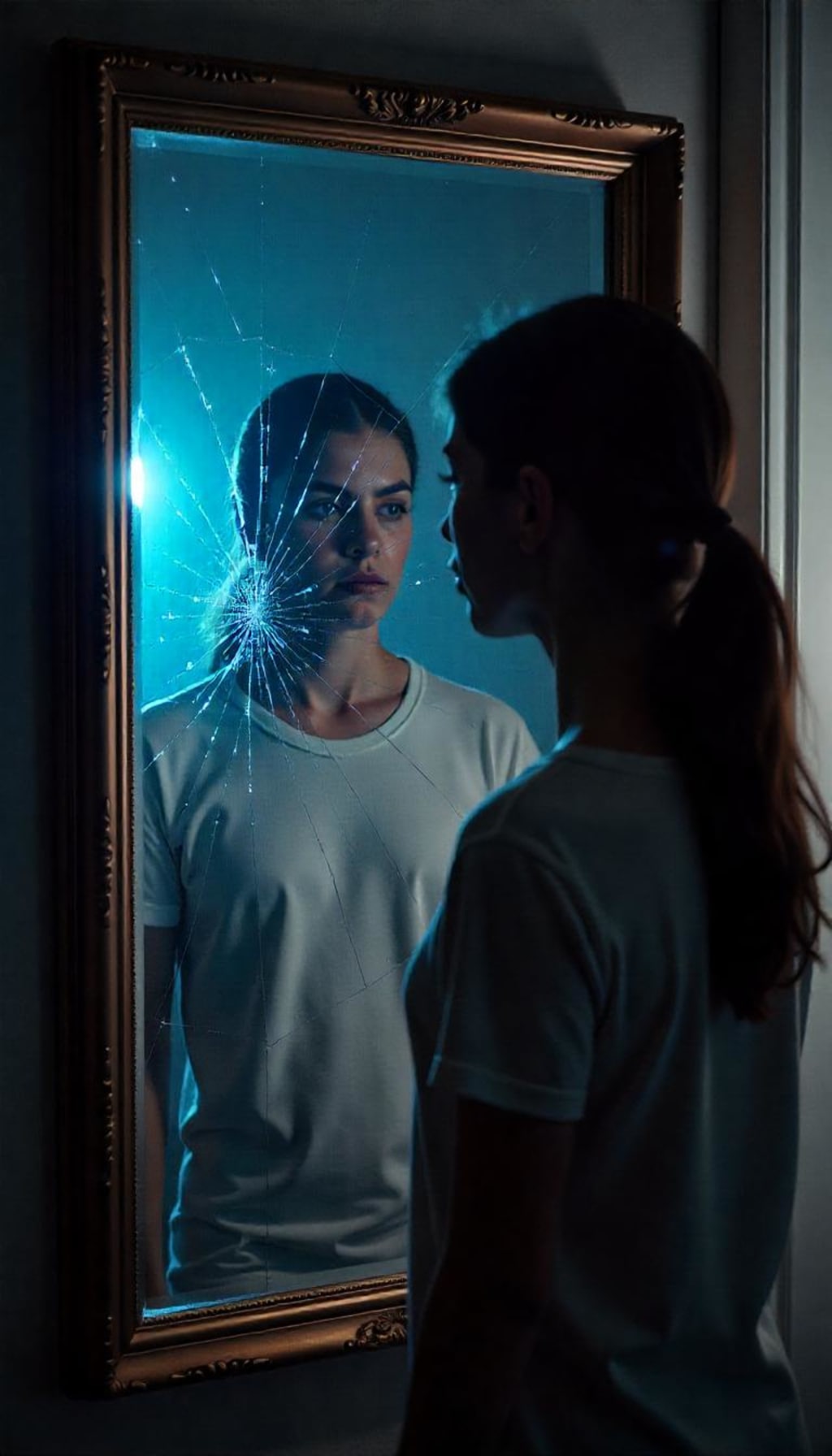
Have you ever felt the world slip through your fingers, as though reality itself had softened, becoming as fluid and ungraspable as a dream? “Into the Fade” is more than a poetic phrase it describes a profound psychological and spiritual journey, where the boundaries of self and world dissolve, revealing a reality beyond the ordinary.
In today’s fast-paced, hyper-connected world, many are seeking ways to break free from rigid identities and the limitations of everyday perception. Whether through deep meditation, psychedelic experiences, lucid dreaming, sensory deprivation, or even moments of extreme creativity, people are venturing into states where reality blurs and the ego loosens its grip. But what does this journey actually involve? And why is it so compelling?
The Dissolution of Identity: A Gateway to Freedom
At the heart of this phenomenon lies a fascinating process called identity dissolution a temporary fading away of the sense of a solid, unchanging “self.” Modern psychology and ancient spiritual practices both describe this experience as liberating and, at times, transformative.
When you step “into the fade,” the mental labels you’ve used to define yourself your name, your job, your social roles fall away. In their place, a pure, unfiltered awareness often emerges. This is the core of many altered states of consciousness: the understanding that identity is fluid, constructed, and ultimately illusory.
Neuroscientific studies have shown that under the influence of certain psychedelics, such as psilocybin or DMT, brain activity shifts from tight, compartmentalized patterns to a state of dynamic interconnectedness. This mirrors ancient reports from mystics and sages, who described reaching enlightenment as “losing oneself to find everything.”
Blurring Reality: Perception Beyond the Five Senses
Alongside identity dissolution often comes the phenomenon of reality distortion or blurring. This doesn’t mean losing touch with the real world in a harmful way, but rather experiencing reality through an expanded lens.
In this state, time may feel elastic minutes stretch into hours, or entire lifetimes flash by in a moment. Visual, auditory, and even tactile sensations might blend, a phenomenon known as synesthesia. Colors become richer, sounds feel more layered, and emotions resonate at an almost physical level.
Many artists, philosophers, and spiritual seekers have documented these experiences, claiming that they unveil deeper truths about existence, consciousness, and the universe. From Aldous Huxley’s “Doors of Perception” to modern VR explorations, humans have long been fascinated by the question: What lies beyond ordinary perception?
The Lure of Transcendence: Why We Seek the Fade
Why do people crave these experiences where identity dissolves and reality blurs? Psychologists suggest that it fulfills a deeply rooted human need for transcendence the desire to rise above the mundane, to feel part of something greater than oneself.
When people describe being “in the fade,” they often recount feelings of unity, oneness, and unconditional peace. This is why many turn to practices like:
Meditation and mindfulness: Practices that quiet the thinking mind and allow pure awareness to emerge.
Psychedelic exploration: Under controlled, safe settings, substances like LSD, psilocybin, or ayahuasca are known to induce identity dissolution and expanded perception.
Extreme sports and flow states: Activities that fully absorb attention, pushing the self into the background and enhancing present-moment awareness.
Dream exploration and lucid dreaming: Conscious interaction with dream worlds where normal rules of reality dissolve.
In these moments, people often report not only pleasure but deep healing, insight, and a lasting sense of connection to something larger and more enduring than the self.
Into the Fade and Back: Integrating the Experience
While the experience of stepping “into the fade” can be euphoric, it’s equally important to integrate these insights into daily life. The goal is not to escape reality, but to enrich it.
Those who’ve journeyed beyond the boundaries of identity often return with newfound humility, creativity, and empathy. They see themselves not as isolated beings but as threads in a vast, interconnected tapestry. This shift can lead to improved mental health, reduced anxiety, and a more grounded sense of purpose.
It’s important to note that while these journeys can be profound, they should be approached with respect and preparation. Whether through meditation, plant medicine, or other pathways, guidance and self-reflection are crucial.
The Future of Fading: Technology Meets Transcendence
As we move further into the 21st century, new technologies are offering even more avenues for entering altered states of consciousness. Virtual reality (VR), brainwave entrainment, and neurofeedback are now being used not just for entertainment but for consciousness exploration. These tools allow for safe, controlled entry into states where the ordinary fades and the extraordinary emerges.
Imagine slipping on a VR headset and entering a world designed not to distract, but to dissolve your sense of self guiding you gently into the fade, and back again with new eyes.
Conclusion: The Beauty of Dissolving
“Into the Fade” isn’t just about escape. It’s about rediscovery. In a world obsessed with defining, labeling, and dividing, the journey into blurred reality and dissolved identity reminds us of the truth: beneath it all, we are boundless, interconnected, and whole.
Whether you embark on this path through meditation, art, psychedelics, or advanced technology, the invitation is always the same: let go, dissolve, and discover the world beyond the ordinary.
About the Creator
Fahad Khan
I’m a passionate writer focused on empowering individuals to create positive change in their lives. Through my articles, I explore practical strategies for personal development, productivity, mental health, and mindfulness.
Keep reading
More stories from Fahad Khan and writers in Psyche and other communities.
Why ‘Good Vibes Only’ is Toxic (And How to Embrace Negative Emotions)
Introduction We live in a world that celebrates the mantra of "good vibes only." The idea that we must constantly stay positive, happy, and upbeat permeates everything from social media to self-help books. But what happens when we ignore our negative emotions and force ourselves to only feel good? In truth, this "good vibes only" mentality is not only unrealistic it can be downright toxic.
By Fahad Khan11 months ago in Psyche
The BAFTA Awards
By now, in a stunning departure from recent years, most of the world is aware of what happened at the BAFTA film awards. Social Media Headlines will tell you the bare bones: that John Davidson, a Tourette's Syndrome advocate, shouted a racial slur at two Actors of Colour, Michael B Jordan and Delroy Lindo.
By Natasja Rose7 days ago in Psyche


Comments
There are no comments for this story
Be the first to respond and start the conversation.