
Inside the Mind: Breakthroughs That Are Rewiring What We Know About the Brain
How Modern Neuroscience Is Decoding the Brain’s Mysteries — and What That Means for You

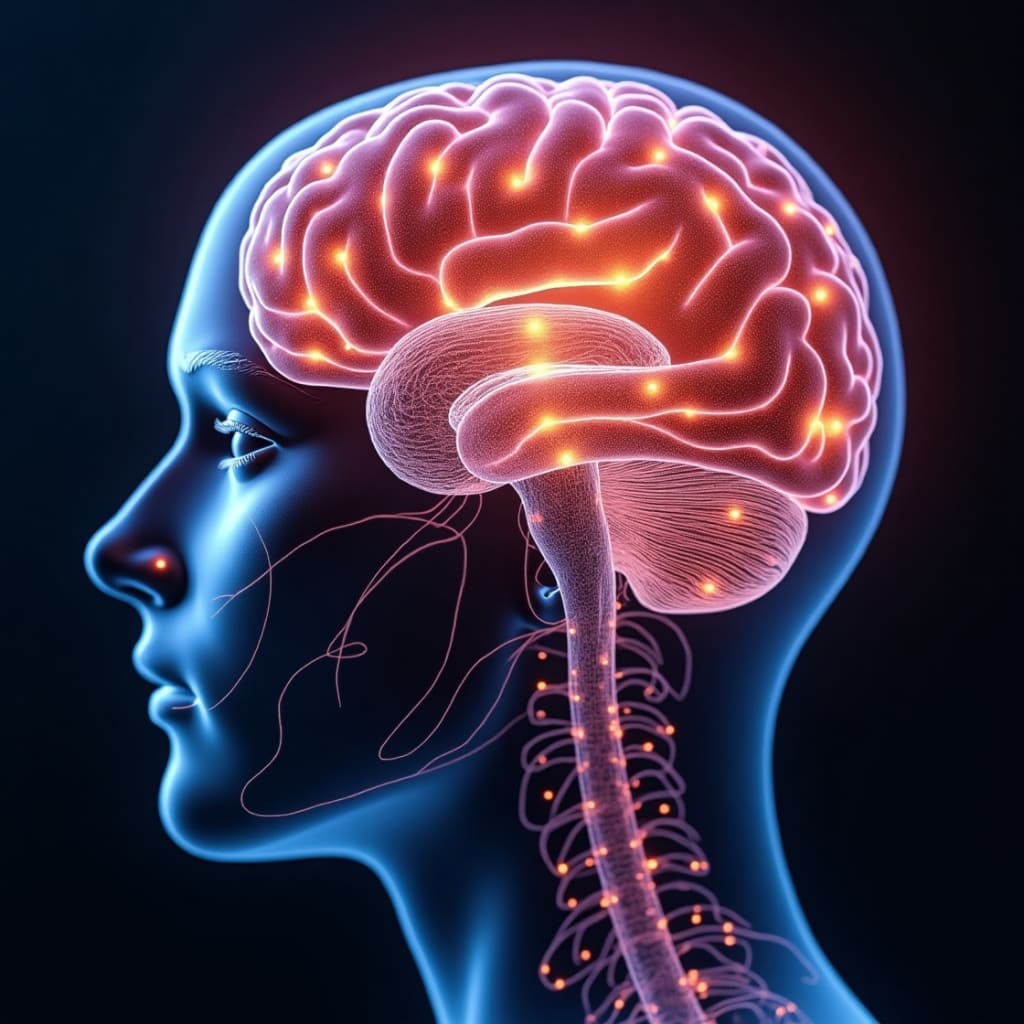
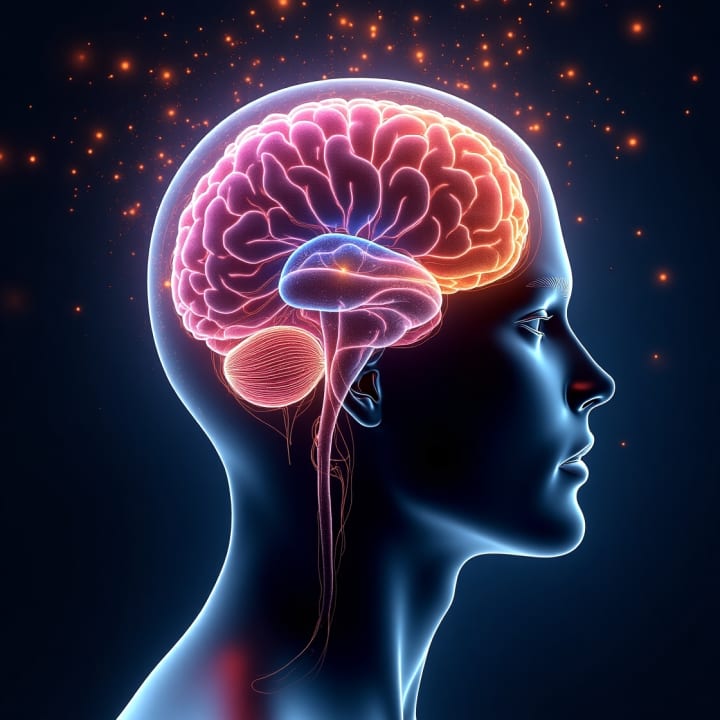
It’s been said that the human brain is the most complex structure in the known universe. And yet, for centuries, it was also one of the most mysterious. That’s changing fast.
In the last few decades — and especially in the last few years — neuroscience has entered a golden era. With cutting-edge technologies like brain imaging, AI modeling, and neurostimulation, scientists are not only observing the brain in action but also influencing it, decoding it, and in some cases, even repairing it.
But this isn’t just about science — it’s about you. Because understanding how the brain works has real-life consequences: how we think, how we feel, how we heal, and even how we connect with others. This article explores the fascinating advances in neuroscience, and more importantly, the lessons we can apply in our own lives.
1. The Brain Isn’t Hardwired — It’s Rewiring Itself Every Day
For most of the 20th century, people believed the brain was “fixed” after a certain age. If you lost brain cells or neural connections, too bad. That was the end of the road.
Today, thanks to research in neuroplasticity, we know that’s not true. The brain is adaptable — constantly forming new connections and even creating new neurons (in certain regions) throughout life.
What does this mean for you?
It means you’re not stuck with the mind you think you have. Whether you want to learn a new skill at 60, bounce back from a trauma, or break a bad habit, your brain has the capacity to change. The key is repetition, focus, and emotional engagement.
💡 Lesson: Start treating your brain like a muscle. Challenge it, train it, and give it time. Just like your body, it will respond.
2. Technology Is Reading — and Sometimes Writing — the Brain’s Code
One of the most jaw-dropping breakthroughs in recent neuroscience is brain-computer interfaces (BCIs). These devices connect the brain directly to external computers, allowing people to control machines with their thoughts — and even restore lost functions.
In 2023, a man who had been paralyzed for over a decade walked again using a combination of a brain implant and a spinal stimulator. Elon Musk’s company Neuralink also implanted its first BCI in a human, allowing the user to control a cursor on a screen with thoughts alone.
But beyond the flashy headlines, this tells us something profound: the brain is electrical, logical, and legible — we’re beginning to understand its “language.”
What does this mean for you?
We’re moving into an era where thoughts might be recorded, memories restored, and mental illnesses treated at the neural circuit level.
💡 Lesson: Stay curious — not fearful — about neurotechnology. In the coming years, it could help not just heal injuries but also enhance creativity, empathy, and learning.
3. Mental Health Is Brain Health — and Science Is Finally Catching Up
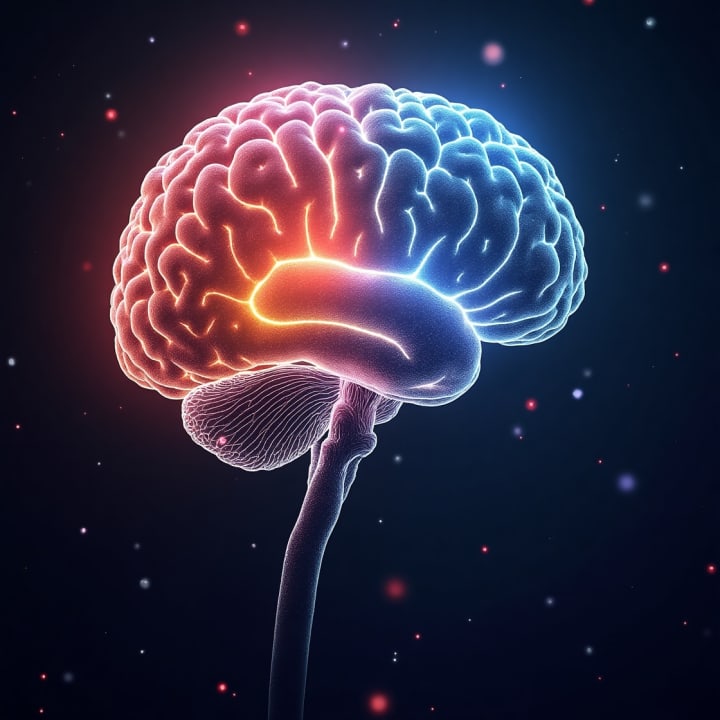
For too long, mental health was seen as something separate from physical health. You had a "mental issue" or a "chemical imbalance," and treatment was mostly guesswork.
That’s changing with functional brain imaging, genetic analysis, and biomarker tracking. Researchers are starting to identify physical patterns in the brain that correlate with conditions like depression, anxiety, PTSD, and even ADHD.
In some clinics, doctors now use brain scans to personalize treatment — prescribing medications based on how a patient’s brain is wired rather than trial-and-error.
What does this mean for you?
It’s not “all in your head” — it’s in your brain. And that distinction matters. When you realize that mood, focus, and energy are linked to brain circuits, inflammation, sleep, and gut health, you begin to see mental health as something you can work on like any other part of the body.
💡 Lesson: Don’t settle for “just coping.” Seek out resources that support your whole brain health — from therapy to exercise, nutrition, mindfulness, and sleep hygiene.
4. Sleep, Food, and Exercise: The Brain’s Daily Dose of Power
Modern neuroscience has confirmed what ancient wisdom long suspected: lifestyle shapes the brain.
Sleep is when your brain consolidates memories, clears waste proteins, and resets emotional regulation.
Food affects the brain’s neurotransmitters and inflammation levels — your gut is often called your “second brain” for a reason.
Exercise, especially aerobic movement, stimulates the production of BDNF (brain-derived neurotrophic factor), a compound that boosts learning, memory, and mood.
What does this mean for you?
You don’t have to hack your brain — you just have to support it. Daily choices are more powerful than any supplement or gadget.
💡 Lesson: Treat your brain like a garden. Water it (sleep), feed it (nutrients), and move it (exercise). You’ll be amazed at how much better you think and feel.
5. Empathy, Love, and Connection Aren’t Just Feelings — They’re Neural Networks
In a world driven by technology, we sometimes forget the power of human connection. Neuroscience reminds us that empathy, touch, and social bonding aren’t just soft skills — they’re hardwired into the brain.
Studies show that when people experience empathy, their mirror neurons fire in response. Acts of kindness and love activate the oxytocin system, reducing stress and increasing trust.
And here’s the most beautiful part: these systems can be strengthened with practice. Just like learning a language or lifting weights, you can train your brain to be more compassionate.
What does this mean for you?
Relationships aren’t just emotional — they’re neurological. Isolation weakens the brain; connection strengthens it.
💡 Lesson: Invest in people. Hug more. Listen deeper. Be present. Your brain — and your heart — will thrive.
Final Thoughts: The Brain Is Not a Mystery — It’s a Miracle in Progress
As we unlock more secrets of the human brain, we’re discovering not just new treatments, but new truths about ourselves.
We are adaptable. We are resilient. We are wired for love, learning, and growth.
The future of neuroscience is not just about labs and machines — it’s about giving people the tools to live fuller, healthier, more connected lives.
So the next time you’re doubting yourself — your memory, your focus, your emotions — remember: your brain is not fixed. It’s waiting to be shaped by how you live, love, and learn.
🧠 Your Takeaway:
You don’t have to be a scientist to benefit from neuroscience. Start small:
Sleep 7–8 hours.
Learn something new.
Move your body daily.
Eat brain-boosting foods.
Practice mindfulness.
Connect deeply with others.
Your brain will thank you — and you’ll feel it.
About the Creator
From Dust to Stars
From struggle to starlight — I write for the soul.
Through words, I trace the quiet power of growth, healing, and becoming.
Here you'll find reflections that rise from the dust — raw, honest, and full of light.
Keep reading
More stories from From Dust to Stars and writers in Psyche and other communities.
🧱 Walls That Touch the Sky: Exploring China’s Ancient Marvel
There’s something humbling about standing before a wall that stretches beyond the horizon. A wall so massive, it snakes over mountains, weaves through deserts, and clings to cliffs with the persistence of a legend that refuses to die. That wall is none other than the Great Wall of China, often called the longest man-made structure in the world. But beyond its physical grandeur lies a story—one that echoes resilience, sacrifice, and the powerful will of a civilization determined to defend itself and define its identity.
By From Dust to Stars9 months ago in Wander
Top tipple tricks
Been thinking a lot about drinking, lately. Not least because of a recent episode of over-indulgence and the inevitable after effects. Some readers may recall the earlier articles I wrote about beating the booze. Here I set out an experiment in techniques for cutting down on my alcohol intake. The experiment was successful, the techniques worked, and I have armed myself with an arsenal of weapons in the war against the demon drink. I have yet to fire the first round however. It's all a question of timing (perhaps procrastination).
By Raymond G. Taylor6 days ago in Psyche
International Women’s Day: the freedom not to be perfect
Today is International Women’s Day, and I’m writing this from the dining table while listening to Radio 3 Unwind. I’m sitting down with my laptop and a going-cold cup of tea, after Virginia Woolf’s famous essay A Room of One’s Own popped into my head. In it, she reflects that for a woman to write fiction, she needed two things: money and a room of her own (ideally with a door that closes). What she really meant, perhaps, was time to think and the freedom to exist inside her own mind.
By Chelsea Branch7 days ago in Psyche




Comments
There are no comments for this story
Be the first to respond and start the conversation.