
I Used a Binaural Beats App for 30 Days and This Is What Happened to My Focus
I tested daily binaural beats sessions for a month to see if they could actually sharpen my focus — and found a few surprises along the way."

I Used a Binaural Beats App for 30 Days and This Is What Happened to My Focus
When I first heard about binaural beats, my reaction was basically, “Sounds nice, but does it actually work?”
I’ve been down the wellness rabbit hole before—meditation apps, focus playlists, breathing timers. Some helped for a bit, but nothing stuck. My mind tends to wander the second I try to sit still.
But a few months ago, I decided to run my own experiment. I selected a binaural beats app (the kind that allows you to choose exact frequencies, not just random YouTube loops) and committed to using it every day for 30 days. I wanted to see if it could actually make a noticeable dent in my focus levels during work.
Week 1: Figuring Out What Works (and What Doesn’t)
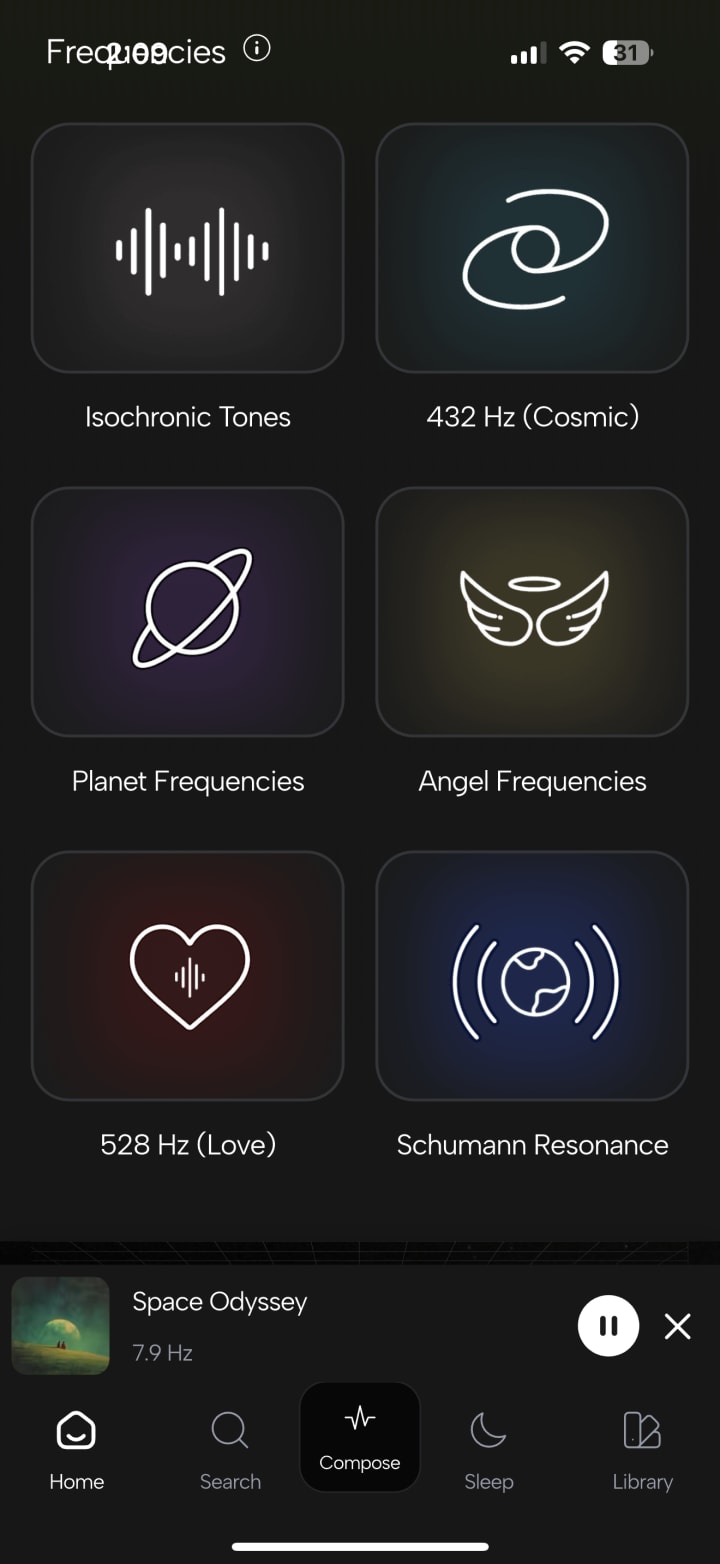
The first few days were clumsy. I had no idea which frequency to use. The app offered Binaural, Monaural, Isochronic, and even 3D sound. I started with the “Focus” presets, which were set around 14–20 Hz, supposedly in the beta range linked with concentration.
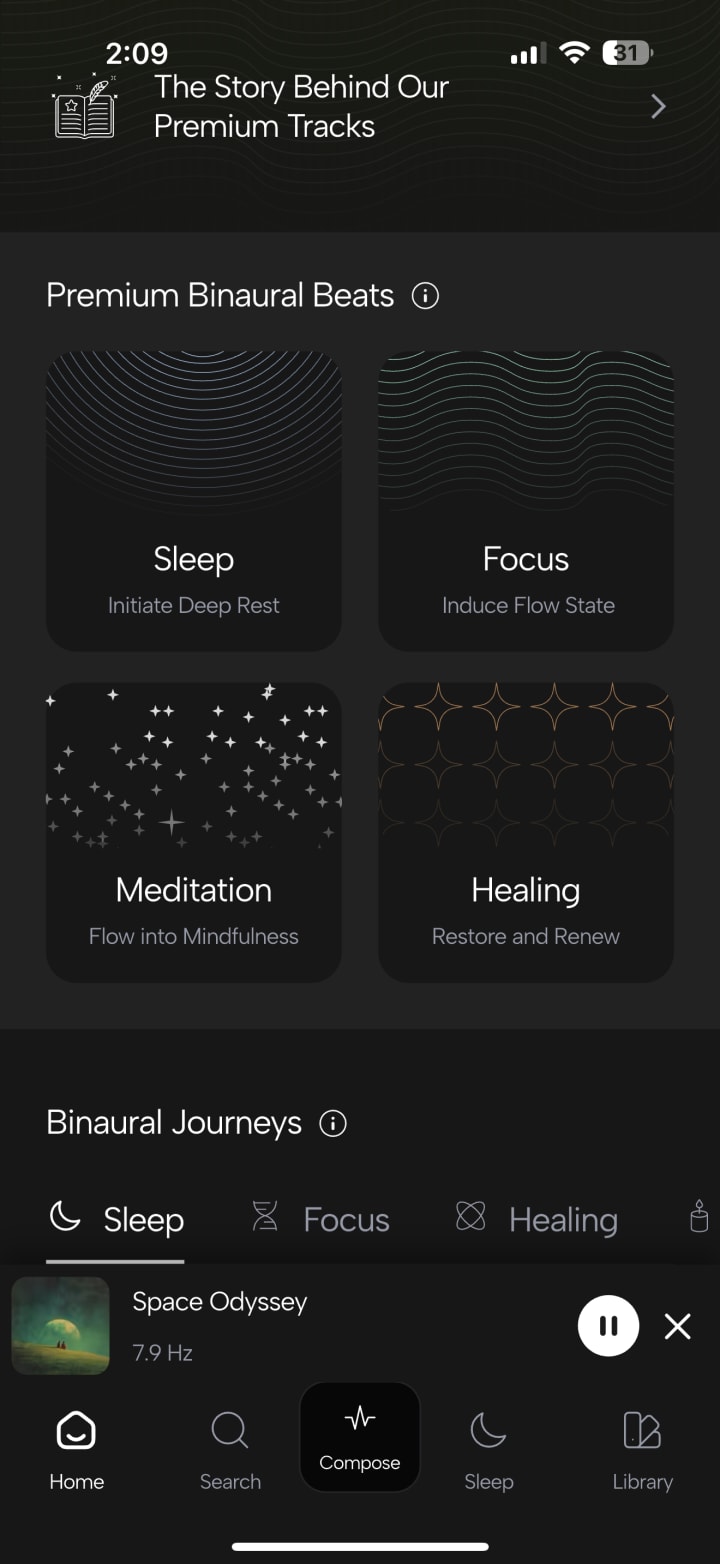
I learned quickly that not every setting worked for me. For example, deep bass binaural therapy made me feel like my brain was wrapped in a heavy blanket. Great for zoning out, not so great for finishing a spreadsheet. On the other hand, 8D mode with a light background noise (pink noise, in my case) actually kept me locked in for longer stretches.
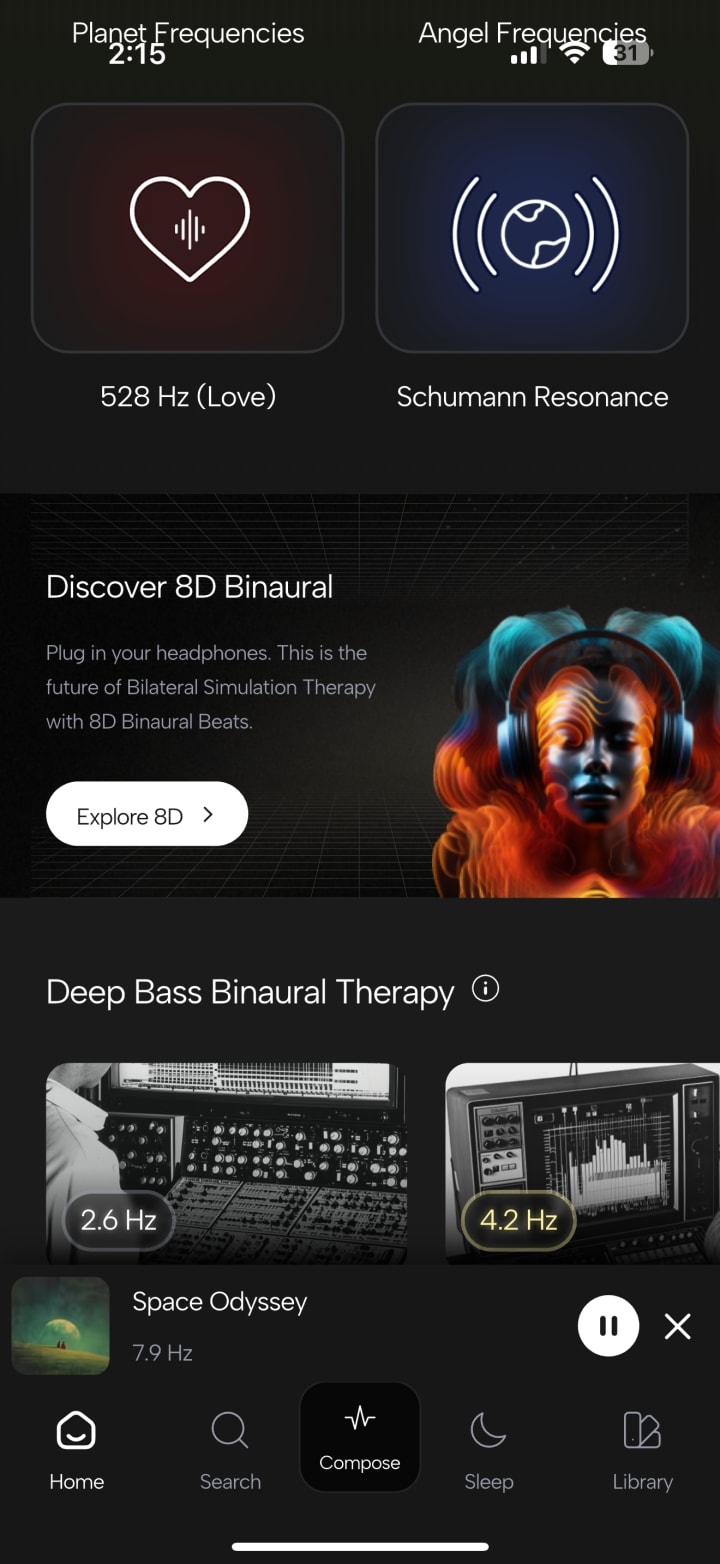
Mistake number one? Trying to layer too many extra sounds. I thought adding forest rain plus Tibetan bowls plus subtle chanting would be “more calming.” It wasn’t. It was just distracting. By day five, I stripped it back to one beat frequency plus a light background noise, and that’s when I started noticing changes.
Week 2: The Afternoon Slump Test
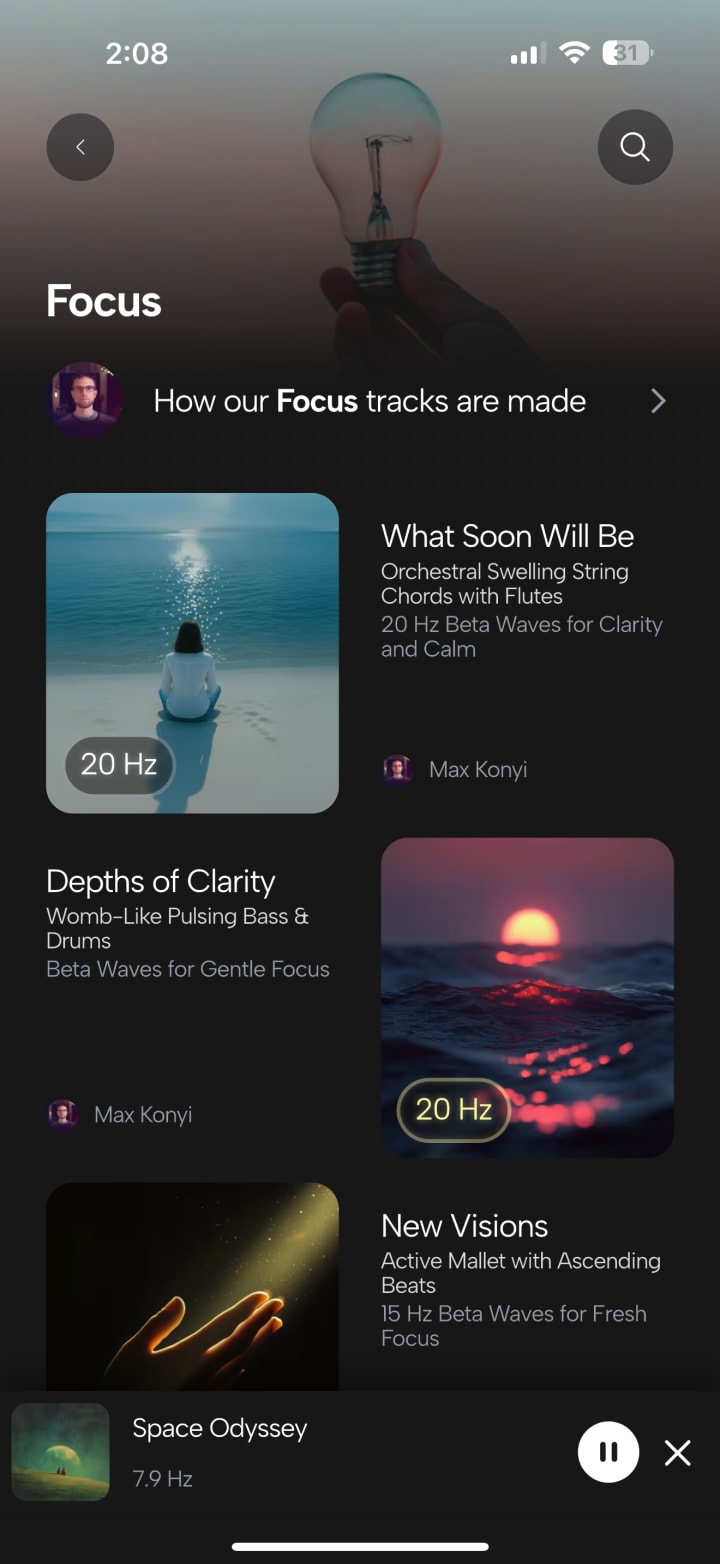
By week two, I started using the app in a more targeted way. Instead of just hitting play whenever, I reserved it for my most distracted time of day—the 2 p.m. to 4 p.m. slump. Usually, that’s when my mind starts wandering to emails, snacks, or random thoughts about whether I remembered to pay the water bill.
This is where I noticed the first real shift. The beats seemed to create a sort of mental “zone.” Not in an over-the-top way, but enough that I was able to stay with one task for longer before my attention wandered. I also timed my work blocks with the track length—most were around 30 minutes—which made it easy to combine with a Pomodoro-style workflow.
Interestingly, I found that certain frequencies helped more, depending on the type of work. If I were doing something creative, like writing, the slightly slower beats around 10 Hz worked better. For detailed, logic-heavy work like grading or reviewing data, the higher beta range felt sharper.
Week 3: Adding It Into Other Routines
By the third week, I realized the app had more than just focus tracks. There were sections for mindfulness, healing, and even mantras with Gregorian or Sanskrit chanting. I didn’t think these would help with focus, but on days when my stress was high, starting with a 10-minute calming track before diving into work made a huge difference.
I also started experimenting with the “Backdrop Mode,” which let me keep the beats running while using other apps. This meant I could write, research, or even answer emails without breaking the audio stream. That continuity seemed to make the sessions more effective—less start-and-stop meant my brain stayed in the same rhythm.
Week 4: The Long-Game Effect
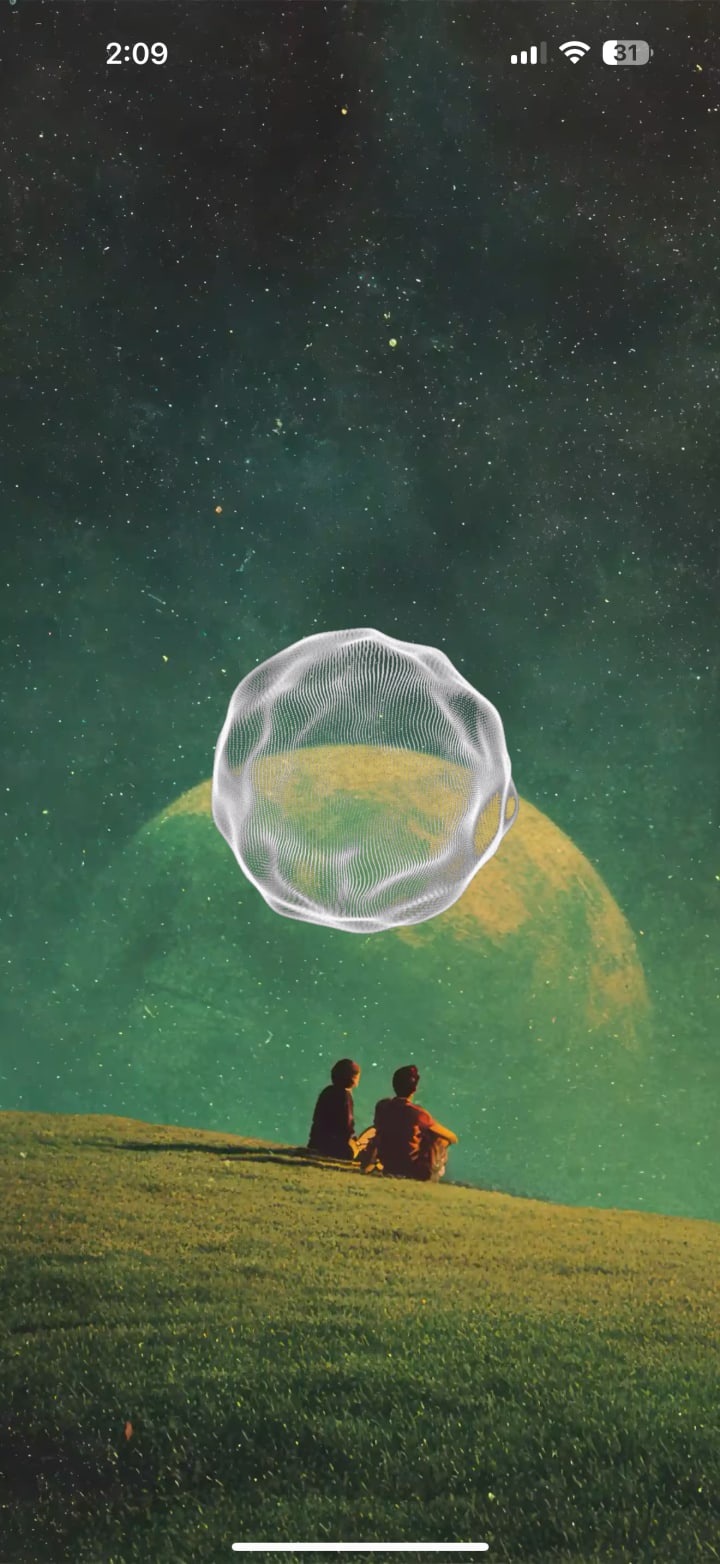
By the final week, the biggest change I noticed wasn’t just in focus during a session—it was that I could slip into focus faster. It’s like my brain had started associating the beats with “work mode.” Even on days I wasn’t feeling sharp, putting on the right track gave me that nudge to get going.
And while this wasn’t the main goal, I also found myself using the app’s sleep tracks at night. The 432 Hz “cosmic frequency” and the Schumann resonance playlist helped me unwind, and better sleep meant sharper mornings.
My Honest Take
Do binaural beats work for everyone? Probably not. But after 30 days, I’m convinced they’re more than just a placebo. The key was using the right frequency for the right task, and not overwhelming my brain with too much going on.
If you want to try it, I’d say:
- Start with one simple beat and light background noise.
- Use it at the same time of day for at least a week to build the habit.
- Match the beat frequency to the type of work you’re doing.
For me, this experiment turned binaural beats from a “sounds nice” idea into a practical tool I actually keep using. If you’ve been curious, it’s worth giving it a shot for a month and tracking your results.
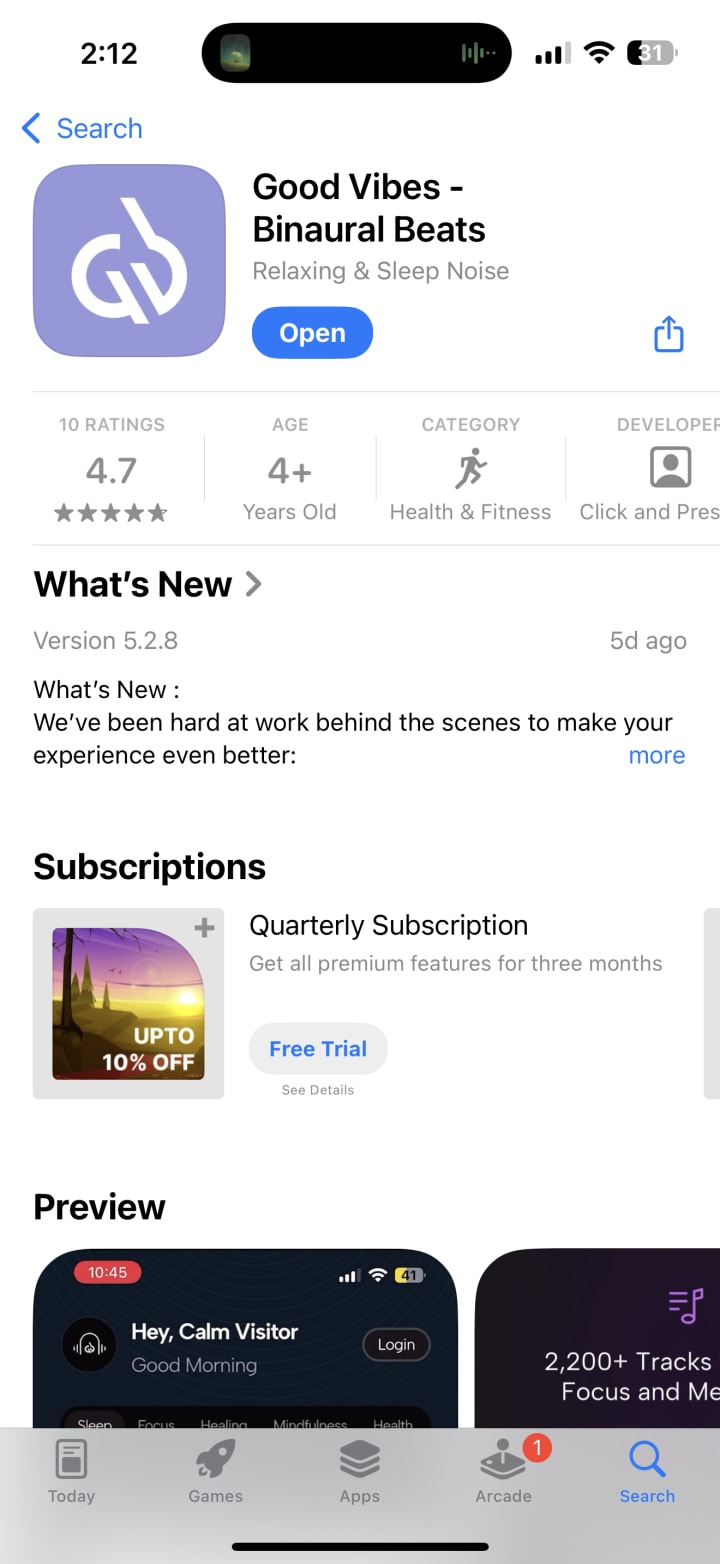
On that note, the app I ended up sticking with was Good Vibes - Binaural Beats . They even have a YouTube channel where you can listen to some of their tracks for free if you just want to dip your toes in. But honestly, the app itself offers a completely different experience. It’s not just looping audio — you can pick between modes like Binaural, Isochronic, and 3D, tweak the beat and center frequencies, and even layer in different background sounds until you find your sweet spot.
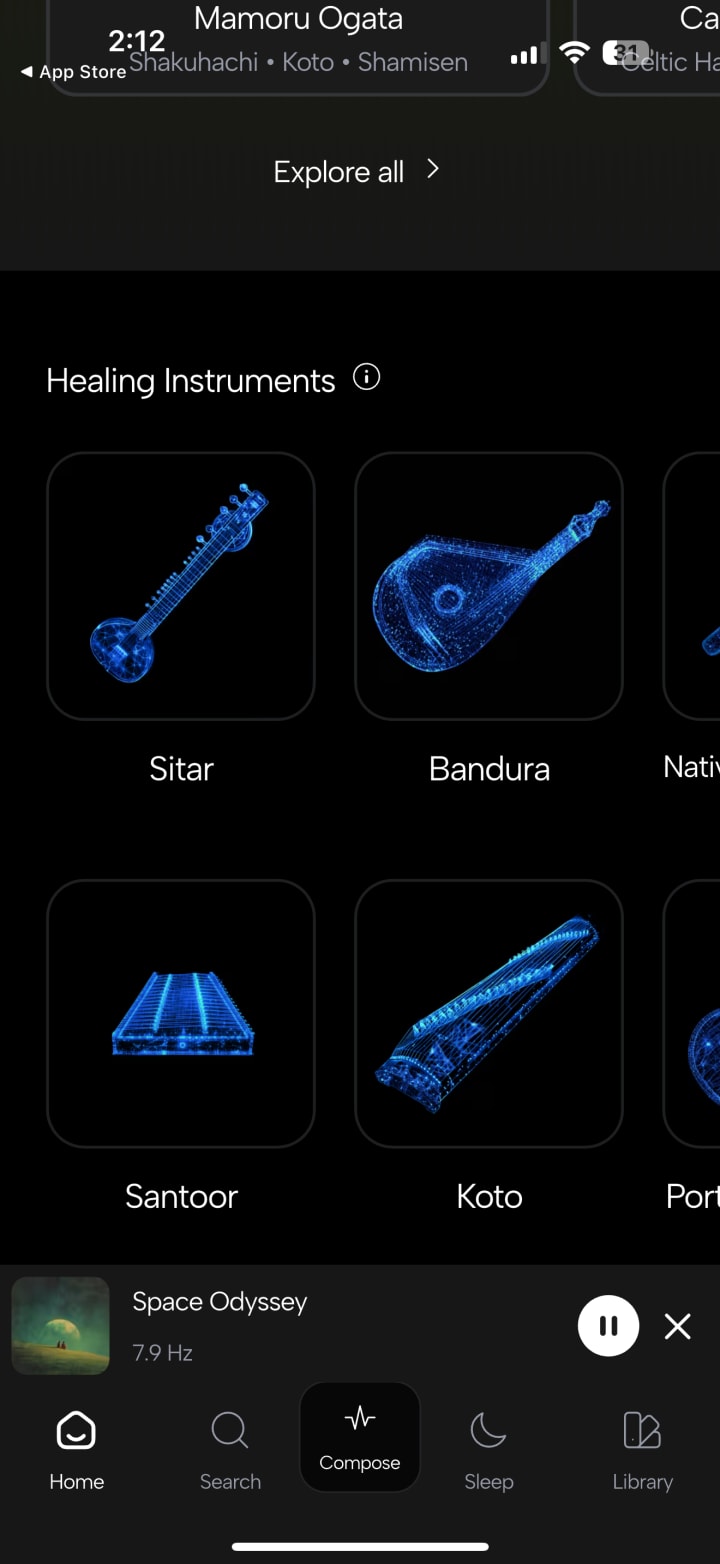
Some of the premium tracks in there are seriously well-produced. They have that “studio quality” feel you don’t get from random uploads, and the ability to fine-tune the frequency makes it way easier to match the sound to whatever task you’re working on. That’s what kept me using it long after the 30 days were over — it didn’t just give me sound, it gave me control over the sound.
Sources & References
https://pmc.ncbi.nlm.nih.gov/articles/PMC10198548/
https://www.webmd.com/balance/what-are-binaural-beats
https://www.youtube.com/@GoodVibesMusic
https://apps.apple.com/us/app/good-vibes-binaural-beats/id1454917657
Disclaimer
The references to the Good Vibes app and the Good Vibes YouTube channel in this article are not promotional. No payment, sponsorship, or other compensation was involved. I have personally tested the app, reviewed the YouTube channel content, and verified the information shared here based on my firsthand experience. This article is intended solely to share accurate and reliable information.
About the Creator
Hawrry Bhattarai
I am a Freelance Travel Blogger & Enthusiast. I love to share travel tips, guides in a witty & informal way more often. I inspire fellow travelers to go out to explore & make memories.
Keep reading
More stories from Hawrry Bhattarai and writers in Psyche and other communities.
Best Binaural Beats App: My Top Picks
Confession: the first time I tried a binaural beats app, I thought my headphones were broken. One ear sounded slightly “off” compared to the other, and I spent ten minutes fiddling with the audio settings before realizing that was the whole point. Not my proudest tech moment.
By Hawrry Bhattarai6 months ago in Psyche
Top tipple tricks
Been thinking a lot about drinking, lately. Not least because of a recent episode of over-indulgence and the inevitable after effects. Some readers may recall the earlier articles I wrote about beating the booze. Here I set out an experiment in techniques for cutting down on my alcohol intake. The experiment was successful, the techniques worked, and I have armed myself with an arsenal of weapons in the war against the demon drink. I have yet to fire the first round however. It's all a question of timing (perhaps procrastination).
By Raymond G. Taylor7 days ago in Psyche
The Night I Stayed Awake
Most nights pass quietly and without much thought. We finish our daily routines, turn off the lights, and drift into sleep, hoping to wake up refreshed for another day. But sometimes there are nights that feel different. Nights when sleep refuses to come. Nights when the mind becomes louder than the world around it. For me, it was the night I stayed awake, staring at the ceiling while countless thoughts moved through my mind. When Sleep Refuses to Come It began like any ordinary evening. I finished dinner, spent some time on my phone, and prepared to go to bed. The house was quiet, and the lights were off. Normally, this is the moment when my mind begins to slow down. But that night, something felt different. I turned off the lamp beside my bed and closed my eyes, expecting sleep to arrive within minutes. Instead, my mind began replaying the entire day. Small conversations. Things I should have said differently. Tasks I had postponed. Worries about the future. The more I tried to ignore these thoughts, the louder they became. The Silence of the Night There is something unique about the middle of the night. During the day, life moves quickly. There are distractions everywhere—phones, work, conversations, and responsibilities. These distractions keep our minds busy and prevent us from thinking too deeply. But at night, when everything becomes quiet, those thoughts return. As the hours passed, the silence in my room felt heavier. I could hear the faint ticking of the clock on the wall and the occasional sound of a car passing outside. It felt like the world had paused. But my mind hadn’t. Thinking About Life Lying awake in the darkness gives you a strange perspective on life. Without the distractions of the day, you begin to think about things you usually ignore. Questions appear that you don’t normally ask yourself. Am I moving in the right direction? Am I making the most of my time? Am I appreciating the people around me enough? These questions are not always comfortable, but they are important. That night, I realized how rarely we allow ourselves to pause and reflect on our lives. The Weight of Worries Part of what kept me awake that night was worry. Everyone carries some level of worry—about work, family, finances, or the uncertainty of the future. Most of the time, we push these worries aside because we are busy dealing with daily responsibilities. But when the world becomes quiet, those worries often return. The challenge is learning how to face them without letting them control us. As I lay there staring at the ceiling, I slowly began to understand that worrying endlessly doesn’t solve anything. It only steals the peace of the present moment. A Different Kind of Night Eventually, I stopped trying to force myself to sleep. Instead, I sat up in bed and looked out the window. The street outside was calm, illuminated only by a few distant lights. For a moment, everything felt still. And in that stillness, something unexpected happened. My thoughts began to settle. The worries that had seemed overwhelming earlier now felt smaller, almost manageable. Sometimes the mind simply needs time to process everything it has been carrying. A Lesson From a Sleepless Night That night taught me something valuable. Sleep is important, of course. But occasionally, a sleepless night can also offer a rare opportunity for reflection. It allows us to step away from the noise of daily life and reconnect with our thoughts. It gives us the chance to examine our worries, our goals, and the direction we are heading. In a strange way, that quiet night helped me feel more clear about my life than many busy days ever had. Morning Arrives Eventually, the sky outside began to brighten. The first light of morning slowly filled the room, and the world started waking up again. Birds began to chirp, and distant sounds of early traffic appeared. Ironically, that was the moment when sleep finally began to arrive. But by then, I didn’t feel frustrated anymore. Instead, I felt calm. Final Thoughts We often think of sleepless nights as something negative, something to avoid at all costs. And while rest is essential for our health, not every restless night is meaningless. Sometimes, those quiet hours allow us to reflect on our lives in ways we rarely do during the day. The night I stayed awake reminded me that life is not only about rushing from one task to another. Sometimes, it’s about pausing, listening to our thoughts, and learning from the silence. And occasionally, the lessons we discover in the quiet darkness of the night stay with us long after the sun rises.
By Shoaib Afridi4 days ago in Psyche
Why Didn't Anyone Tell Us
Men, move along. This is not for you. This is for the women. I was forty-five when I began menopause. It is pretty young for that to be going on in a woman’s life, but I had undiagnosed PCOS, my entire life. Thank you to all the gynecologists I had seen my entire life. That in itself should encourage women to keep seeking second opinions, especially when you are not getting correct answers or any at all.
By Alexandra Grant6 days ago in Humans



Comments
There are no comments for this story
Be the first to respond and start the conversation.