
How Understanding ADHD Changed My Life — And Why It Might Help You Too
Discovering the Truth Behind My Brain Helped Me Heal, Grow, and Thrive — Here's What It Could Do for You.
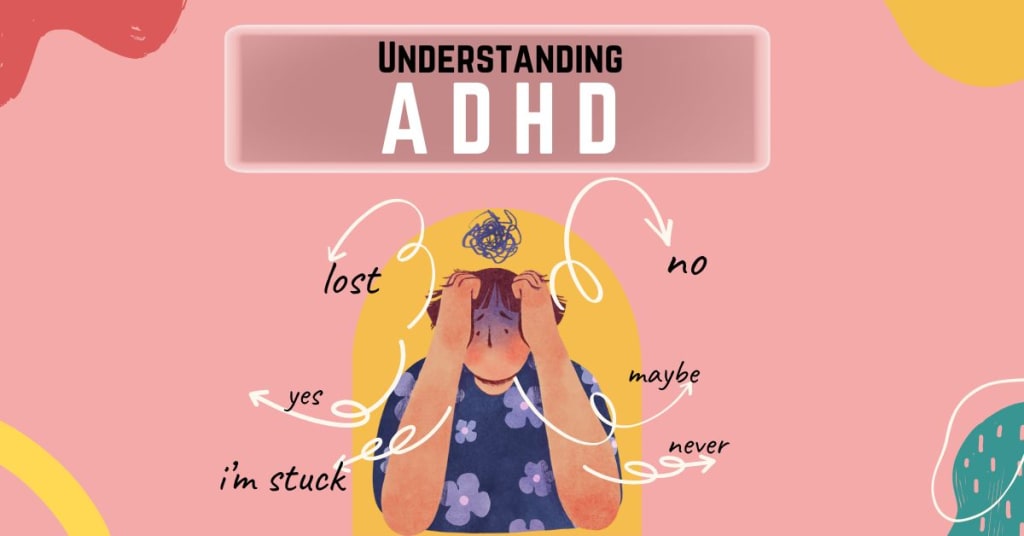
For years, I wondered why I couldn’t seem to keep my focus in check. I struggled with distractions, forgetfulness, and feeling like I was always falling behind. I blamed myself, thinking I just wasn’t organized or disciplined enough. But everything changed when I discovered ADHD.
If you’ve ever felt like your mind is racing, bouncing from one thought to the next, or if you struggle with tasks that seem easy for others, you might be dealing with ADHD, too. I’m here to share how recognizing ADHD in my life has led to a greater understanding of myself and how it can help you, too.
What Is ADHD?
Before I began researching ADHD, I had a lot of misconceptions. I thought of it as something that only affected kids who couldn’t sit still in school. But after learning more, I realized that ADHD is a lifelong condition that affects people of all ages — including adults.
ADHD stands for Attention Deficit Hyperactivity Disorder, and it’s characterized by three primary symptoms:
Inattention: Difficulty staying focused, following through with tasks, and staying organized.
Hyperactivity: Restlessness, constant movement, and trouble sitting still.
Impulsivity: Acting without thinking, making decisions quickly, and sometimes without regard for the consequences.
Many people, like me, don’t realize they have ADHD until adulthood because the symptoms can be subtle or misdiagnosed as other issues. But understanding these symptoms is the first step toward managing them.
How I Discovered I Had ADHD
I didn’t discover that I had ADHD until I was well into my adult years. I always thought that my struggles with focus, procrastination, and forgetfulness were just personal shortcomings — something I could just “fix” with more discipline. But after years of frustration, I finally decided to get an evaluation at Pats Consultants.
The process of getting diagnosed wasn’t as scary as I thought. It started with a thorough evaluation that included a personal interview, a series of tests, and feedback from people close to me. It turned out that my symptoms fit the ADHD criteria, and that knowledge was both a relief and an eye-opener.
Once I understood that ADHD was affecting me, I stopped blaming myself for things that weren’t within my control. It gave me a new perspective on my challenges, and it was empowering to finally have answers.
What I Learned from the ADHD Diagnosis
Here are some of the key things I learned through my ADHD diagnosis:
1. It’s Not About Willpower — It’s About Management
One of the biggest myths I believed was that ADHD could be overcome with enough willpower or effort. But after my diagnosis, I realized that ADHD isn’t about lacking discipline; it’s a neurodevelopmental disorder that affects how the brain processes information. What I needed was not more willpower, but better management strategies.
My therapist at Pats Consultants introduced me to several tools and techniques that helped me better manage my symptoms. For example, breaking down tasks into smaller chunks and using timers for focus were strategies that worked wonders.
2. I’m Not Alone
I spent a lot of time feeling isolated because I thought I was the only one struggling with these issues. But after being diagnosed with ADHD, I learned that many people experience similar challenges. It’s a relief to know that I’m not alone, and there’s a whole community of people who understand what I’m going through.
3. ADHD Affects More Than Just Work
I used to think that ADHD only affected my ability to perform at work or school. But as I learned more, I realized that ADHD impacts almost every area of life — relationships, daily tasks, time management, and even emotional regulation. Understanding how ADHD affects me on a deeper level has helped me develop better coping strategies for all areas of my life.
4. There’s No One-Size-Fits-All Approach
What works for one person with ADHD may not work for another, and that’s okay. I had to experiment with different strategies, medications, and lifestyle changes to find what worked for me. It’s a process, but being open to trying new things made a huge difference.
Common Misconceptions About ADHD
Before I learned about ADHD, I had several misconceptions about it. These myths can often prevent people from seeking help or understanding their own symptoms. Let me debunk a few of them:
“ADHD is just an excuse for being lazy.”
This is one of the most damaging myths. ADHD isn’t about laziness or a lack of effort — it’s a real condition that affects how the brain functions. People with ADHD often work harder than others to accomplish the same tasks, and it’s not their fault.
“ADHD only affects kids.”
While ADHD is often diagnosed in childhood, many adults live with it without realizing it. I didn’t receive my diagnosis until I was an adult, and I’m not alone. In fact, the symptoms of ADHD can become more pronounced as an individual enters adulthood and faces more responsibilities.
“People with ADHD are hyperactive all the time.”
While hyperactivity is one of the symptoms of ADHD, it doesn’t mean that everyone with the condition is constantly on the go. In fact, many people with ADHD experience more internal restlessness than physical hyperactivity, which can be just as challenging to deal with.
How ADHD Affects Daily Life — And How to Manage It
Now that I understand my ADHD, I’ve learned that managing it is all about developing strategies that work for my specific symptoms. Here are some of the strategies I use:
1. Breaking Tasks into Small, Manageable Pieces
I’ve learned that breaking down large tasks into smaller steps helps me stay focused and avoid feeling overwhelmed. For example, instead of sitting down to write a report all at once, I break it into sections: research, writing the introduction, drafting the body, etc.
2. Using Timers and Reminders
One of the biggest challenges for me was staying on task. Now, I use timers to keep track of how long I work on each task. I also set reminders for appointments, deadlines, and even daily routines like eating meals and exercising.
3. Setting Up a Structured Routine
Having a predictable routine has been a game-changer for me. Knowing what to expect each day and having a clear structure for my tasks has helped me stay on track and avoid procrastination.
4. Seeking Support
One of the most important things I’ve done is reach out for support. Whether it’s working with a therapist or talking to a friend about my struggles, having people around who understand my ADHD has made a huge difference.
Why You Should Consider an ADHD Evaluation
If you’re reading this and recognize some of your own struggles in my story, you might be wondering if you have ADHD too. If you’ve been living with challenges like inattention, impulsivity, or hyperactivity, it might be worth considering an ADHD evaluation. At Pats Consultants, they offer comprehensive evaluations that can help you understand whether ADHD is affecting your life.
Getting diagnosed with ADHD isn’t about labeling yourself — it’s about understanding your brain and finding strategies that can help you live a more fulfilling, successful life. If you’ve been struggling with focus, organization, or completing tasks, an evaluation could be the first step toward a clearer, more manageable path.
Final Thoughts
Discovering that I had ADHD wasn’t just about getting a diagnosis — it was about finally understanding why I’d struggled with certain aspects of my life for so long. It gave me the tools I needed to manage my symptoms and thrive in a way I hadn’t thought possible.
If you think ADHD might be affecting you, don’t wait. Reach out to Pats Consultants to get an evaluation and begin your journey toward a better understanding of yourself. Trust me — it’s worth it.
About the Creator
Keep reading
More stories from writers in Psyche and other communities.
Silver Screen Magic with Mae West
American actress and singer Mae West became a popular film actress during the Great Depression. She started entertaining in vaudeville, then performed on Broadway, and finally went to Hollywood. She signed up with Paramount Pictures and made her debut in the 1932 film “Night After Night.” She also starred in musicals, comedies, and crime dramas. The American Film Institute named her one of the best classic Hollywood actresses.
By Rasma Raisters6 days ago in Geeks




Comments
There are no comments for this story
Be the first to respond and start the conversation.