
How to Create a Mental Health Emergency Plan Before You Need One
A Step-by-Step Guide to Building a Crisis Plan That Supports Your Mental Health When It Matters Most

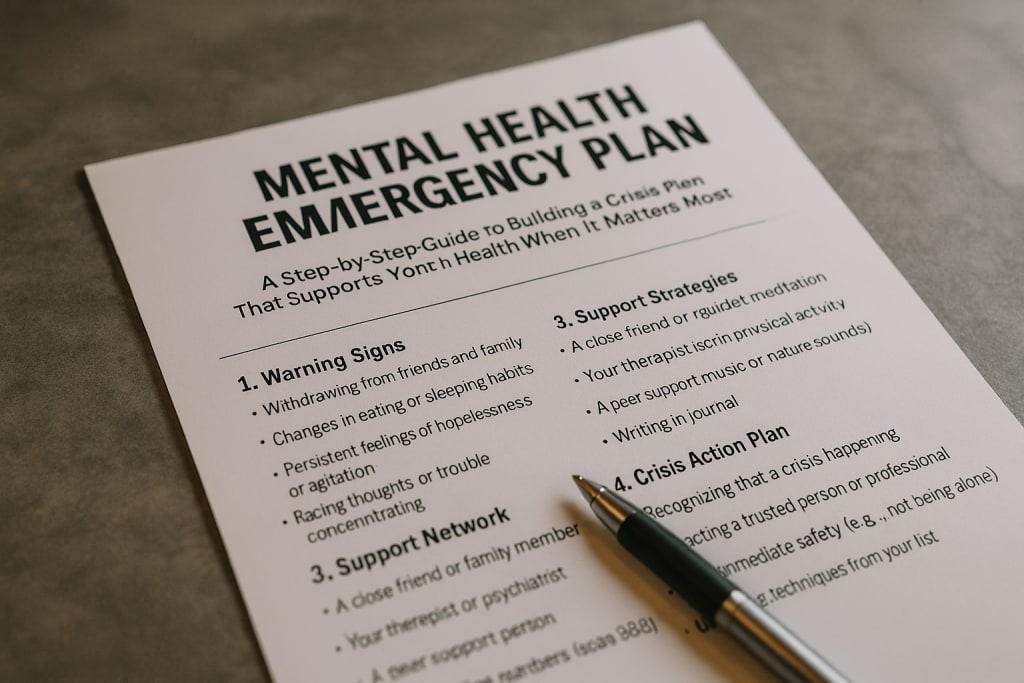
Mental health crises can be sudden, intense, and overwhelming — making it difficult to think clearly or make safe decisions in the moment. That’s why having a mental health emergency plan is not just smart; it’s essential.
Much like we create plans for natural disasters or medical emergencies, a mental health emergency plan provides a framework for safety, support, and self-care when things feel out of control.
In this article, we’ll walk you through exactly how to create a personalized mental health emergency plan — before you need it. You’ll learn what to include, how to communicate it with others, and how it can protect your well-being in moments of crisis.
What Is a Mental Health Emergency Plan?
A mental health emergency plan is a written document that outlines what you or someone else should do if you experience a severe mental health episode.
This could include panic attacks, suicidal thoughts, manic episodes, psychosis, or severe depression. The plan provides step-by-step guidance for recognizing signs of crisis, identifying coping strategies, and getting immediate support from professionals, loved ones, or emergency services.
Why It Matters
In the middle of a mental health emergency, it can be hard to remember what steps to take, who to contact, or what coping techniques work best for you. A proactive plan makes sure those decisions are already made — reducing confusion, fear, and risk during a difficult time.
Who Should Have a Mental Health Emergency Plan?
Everyone can benefit from a mental health emergency plan, but it’s especially important for:
- Individuals diagnosed with mental health conditions (e.g., depression, bipolar disorder, PTSD, schizophrenia)
- People with a history of suicidal thoughts or attempts
- Those who are in recovery from substance use disorders
- Caregivers of someone with mental health challenges
- Individuals undergoing major life transitions or chronic stress
Even if you’ve never had a mental health emergency, creating a plan can prepare you or your loved ones to act quickly if one ever arises.
Step-by-Step Guide to Creating a Mental Health Emergency Plan
1. Identify Early Warning Signs
List the emotional, behavioral, and physical signs that typically signal you’re heading into a mental health crisis. These are unique to you, but may include:
- Withdrawing from friends and family
- Changes in eating or sleeping habits
- Persistent feelings of hopelessness or agitation
- Racing thoughts or trouble concentrating
- Excessive crying or emotional numbness
Tip: Reflect on past experiences or ask a trusted friend or therapist to help identify patterns.
2. List Coping Strategies That Work for You
Write down techniques that have helped you stay grounded or reduce emotional distress. This might include:
- Deep breathing exercises or guided meditation
- Taking a walk or engaging in physical activity
- Listening to calming music or nature sounds
- Writing in a journal
- Using grounding techniques (e.g., 5-4-3-2-1 sensory exercise)
Keep this list handy. In the moment, even simple strategies can make a huge difference.
3. Create a Support Network
Include contact information for trusted individuals who can help during a crisis. This can be:
- A close friend or family member
- Your therapist or psychiatrist
- A peer support person
- Crisis hotline numbers (such as 988 Suicide & Crisis Lifeline in the U.S.)
Bonus Tip: Inform these individuals ahead of time that they are listed in your plan so they can be ready to respond appropriately.
4. Establish a Safe Environment
List steps to make your environment physically and emotionally safe during a crisis:
- Remove or secure potentially harmful items (medications, sharp objects, etc.)
- Designate a safe space (a quiet room or calming area)
- Post crisis hotline numbers or affirmations on the wall or fridge
- Have an emergency kit with comforting items (e.g., blanket, stress ball, favorite tea)
5. Detail a Crisis Action Plan
Clearly outline what to do — step by step — when a crisis occurs. This should include:
- Recognizing that a crisis is happening
- Contacting a trusted person or professional
- Taking immediate safety measures (e.g., not being alone)
- Using coping techniques from your list
- Calling emergency services if danger is imminent
Pro Tip: If you take medication, list what you’re currently on and keep this updated in case emergency responders or doctors need it.
6. Include Legal and Medical Information
If applicable, include:
- Medical history and current diagnoses
- List of medications and dosages
- Insurance information
- Psychiatric advance directives (if you have one)
- Emergency contact details
- Health care proxy or power of attorney info
Having this in writing can prevent delays in treatment and help medical professionals make informed decisions.
7. Keep It Accessible
Make sure your mental health emergency plan is easy to find and share. Store copies:
- On your phone or tablet
- With a trusted friend or family member
- In your wallet or purse
- With your therapist or health care provider
- Consider using apps like Notion, Google Docs, or a printable PDF to store and share your plan securely.
Free Mental Health Emergency Plan Template
To make things easier, here’s a basic template you can copy or adapt:
Mental Health Emergency Plan
Name:
Date of Last Update:
1. Warning Signs:
- [List personalized warning signs]
2. Coping Strategies:
- [List calming techniques and grounding exercises]
3. Support Contacts:
- [Name, phone number, relationship]
4. Medication Info:
- [Medication name, dosage, prescriber]
5. Action Plan:
- [Step-by-step process during a crisis]
6. Emergency Numbers:
- 988 Suicide & Crisis Lifeline
- Local emergency services (911)
- Crisis Text Line (Text HOME to 741741)
7. Additional Notes:
- [Any other relevant details]
When to Update Your Plan
Review and revise your plan regularly—especially if:
- You’ve experienced a new type of crisis
- Your medication or treatment changes
- You change doctors or therapists
- You move to a new location
Your plan should grow with you and reflect your current needs.
Be Proactive, Not Reactive
Creating a mental health emergency plan is a proactive act of self-care and empowerment. It helps you take control of your mental health journey, even when things feel out of control.
While it may feel uncomfortable to think about the possibility of a crisis, having a plan in place can ultimately bring peace of mind — for you and for those who care about you.
Remember, mental health challenges are nothing to be ashamed of. And preparing for them is a sign of strength, not weakness.
Additional Resources
About the Creator
Richard Bailey
I am currently working on expanding my writing topics and exploring different areas and topics of writing. I have a personal history with a very severe form of treatment-resistant major depressive disorder.
Keep reading
More stories from Richard Bailey and writers in Psyche and other communities.
Why PTSD Isn’t Just a Military Problem: Understanding Civilian PTSD
When people hear the term Post-Traumatic Stress Disorder (PTSD), they often picture a soldier returning from war, haunted by battlefield memories. While PTSD is indeed prevalent among veterans, this common association has unintentionally overshadowed a broader and equally urgent reality: PTSD affects millions of civilians who have never served in the military.
By Richard Bailey10 months ago in Psyche
The BAFTA Awards
By now, in a stunning departure from recent years, most of the world is aware of what happened at the BAFTA film awards. Social Media Headlines will tell you the bare bones: that John Davidson, a Tourette's Syndrome advocate, shouted a racial slur at two Actors of Colour, Michael B Jordan and Delroy Lindo.
By Natasja Rose4 days ago in Psyche


Comments
There are no comments for this story
Be the first to respond and start the conversation.