
Here are a few suggestions for reducing screen time
Here are a few suggestions for reducing screen time

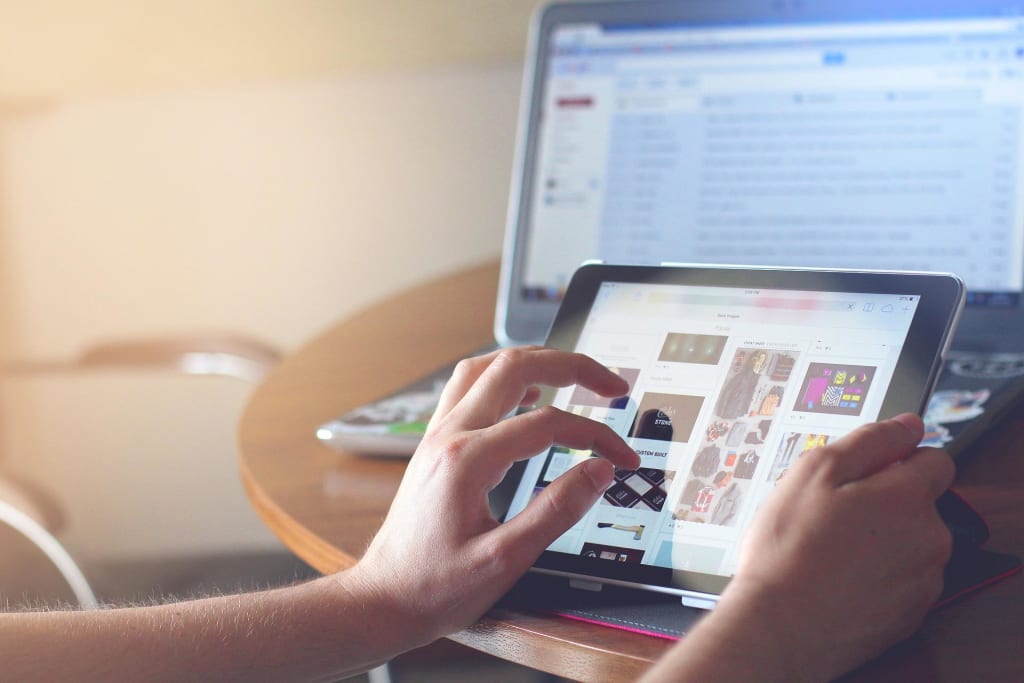
Every day, we pick up our phones, tablets, or laptop computers.
We scour the internet and social media, wasting time in the process.
We can communicate with almost anyone on the planet in an instant.
We used to have letters delivered by horse-drawn carriage, but now we have WhatsApp, which allows us to see if our message was delivered and read.
We are always connected. We are constantly bombarded with new videos, articles, and information.
And it’s fantastic.
When before you only had a certain group of people who had access to literature and text, now everyone has the capability to access nearly all information recorded in human history.
However, we’re not made for this.
We can over work and overwhelm our minds easily by trying to take in too much information too quickly or too frequently.
Yes the human brain has the capabilities of learning new things, and it’s great to learn something new every day, but too much can put too much pressure on it.
Being constantly connected never allows your mind a break.
There is more awareness about the time we spend on our screens — especially with ScreenTime being introduced so that we can track exactly how we are using that time.
But just because you can track it doesn’t mean you actually do anything about it.
So here’s a few things that you can do to reduce your screen time:
Don’t use any screen an hour after waking up
I’m not sure of your routine, but then again you can, and should, adjust it to make sure you don’t look at a screen for the first hour of the day.
When you wake up, don’t turn over to look at your phone.
Instead, roll out of bed, splash some cold water on your face and get to making breakfast or working out, whatever it is you do, you can most likely do it without a screen.
Don’t use your phone as an alarm, buy a radio or separate alarm that can wake you up instead, then you no longer need your phone in the bedroom to tempt you to look at it.
I have my alarm through my radio so that I wake up to a different song each day — this helps as well as sometimes we get used to alarms and sleep through them, this doesn’t allow for that — and then I splash some water on my face and get to making breakfast. I listen to the radio as I eat breakfast and then, once finished eating, I move on to drinking my coffee and reading. It’s only when I’ve finished reading after about an hour of waking up, that I will pick up my laptop to write.
Personally, I notice how different my eyes feel if I use a screen when I wake up, they feel strained and tired, whereas if I don’t then I have that time to wake up with natural light around me to adjust my eyes after being closed for 8 hours.
Don’t use any screen an hour before sleeping
Similarly to the last point, using a phone within an hour before going to sleep can affect the quality of your sleep as the light affects they eyes and the brain.
Instead of scrolling through Tik Tok or Instagram, or watching Netflix before bed, grab a book instead. Use a soft, warm lamp in your room and read. Your eyes will feel tired much more naturally and you will have a much better sleep, and wake up feeling rested, than if you were to look at screens before bed.
There are two things you could do; make sure you have a different alarm so you don’t need to use your phone — therefore you could leave your phone in a different room during the night to stop temptation to look at it — and you could move any other screens, like a TV, out of your room so you don’t find yourself clicking ‘Next Episode’ and falling into a Netflxix black hole before bed.
Not only will this improve your quality of sleep and health, but you could strengthen your mind through reading more and more books.
Delete Social Media from your phones
I recently found myself scrolling through Instagram quite a fair bit during the day, using it as a form of procrastination and allowing myself to fall into a black hole of Reels.
After a few weeks of this I decided that I didn’t need to spend my time watching this type of content so I deleted Instagram from my phone.
However, I had recently started using Twitter again after a long while and soon realised that the time I used to spend on Instagram was now being spent scrolling through Twitter.
So I decided to delete that too.
I can still access both on my laptop — which means I am much more intentional and aware of when I am using them as I don’t have them saved or easily accessible so I have to type in either Twitter or Instagram to open them up. There is time there to realise what I am doing and stop myself from mindlessly scrolling.
I still have WhatsApp and Messenger on my phone for communication but I turned notifications off so that I am not tempted to check them with every message I receive.
Think back to when we had to write and send letters by post — the technology has made this far better in terms of contacting someone easily, but it’s also led us to believe that we need to be online all the time and to respond to messages quickly.
We don’t.
We are allowed to not check our messages until we want to.
If something was urgent the person would call us.
You are allowed to not check and respond to messages instantly. The world won’t fall apart if you don’t.
Use technology as the tool it is meant to be
We have all fallen trap to using technology constantly.
Be that for messaging, social media, searching on google, buying clothes, buying anything, watching videos — you name it and technology has made it accessible to us all through relatively small screens.
But instead of using our phones for social media, or for playing games, see it as a tool.
You can have apps like DuoLingo to learn another language, or Spotify to listen to music and podcasts, or Medium to read articles — whatever it is, your phone can be used as a tool.
By eliminating all the unnecessary apps, all the junk that clogs up your phone and time, you can instead just fill it with things you are going to learn from, to improve your knowledge and skills.
In my recent bid of deleting social media apps, I also scoured through and deleted anything extra that didn’t truly add something to my life or was helpful.
I still kept things like my banking apps, car parking apps — things that I may not use daily but come in handy when I need them. And then everything else left were things such as Audible, the Kindle App, Medium — things that when I use them I can learn from them.
By eliminating the extra things that aren’t tools, you will find yourself checking your phone less often to procrastinate or to fill time as you know that what’s on your phone isn’t meant to fill time, it’s meant to be used proactively.
Give yourself a day off a week
Maybe that sounds a bit radical.
No phone, no TV, no gaming.
But give your eyes and your mind a rest.
You can go a day without contacting your friends and family — I bet you accidentally do it quite a lot when you’re busy anyway so you can do it purposefully for you.
You can go a day without watching any TV or gaming. Instead read a book or go out for a walk or a cycle. Do some gardening. Visit somewhere in town or go to the beach or a lake.
I would mostly recommend getting outdoors but the weather isn’t always the best so pick up that book or find something to bake perhaps.
Whatever it is, a day off of screens each week will do you wonders.
It will give your eyes and mind a break from the unnatural light and also give yourself space from constant online consumption.
These are just a few ways you ca reduce your screen time and spend less time in the black holes of Twitter, Instagram, Tik Tok and YouTube.
It’s important to take breaks away from your screen. To read books instead. To go outside in natural light and enjoy breathing fresh air. To people watch on the Tube instead of craning your neck down to stare at a 5" screen.
There are many more ways that can help you reduce your screen time, so I urge you to seek those out if the ones above don’t work with you, but I recommend implementing some into your life, to take back control.
About the Creator
Keep reading
More stories from writers in Psyche and other communities.
This Show Makes You Suspicious on Purpose
At first, it feels harmless. You sit down to watch His & Hers the way you sit down to watch any thriller. Lights dimmed. Phone face-down. A body on screen. A mystery to solve. Two people telling the same story in different voices. You tell yourself this is entertainment. Suspense. Craft.
By Aarsh Malik7 days ago in Psyche
So You Decided To Become a Nurse Practitioner:
So you decided to become an "Advanced Practice" nurse. Congratulations!... is what I would say if this was a good idea. Grad school? In this economy? What were you thinking? Likely it was something along the lines of either 1) “I've seen these other chucklefucks do it— Why can't I?” or even 2) “I've got a nice career, I should shake it up. I miss feeling like I have no clue what I'm doing.”
By Sandor Szabo5 days ago in Fiction


Comments
There are no comments for this story
Be the first to respond and start the conversation.