
Everything you need to know about autism spectrum disorder(ASD)
A simple guide to know everything about autism
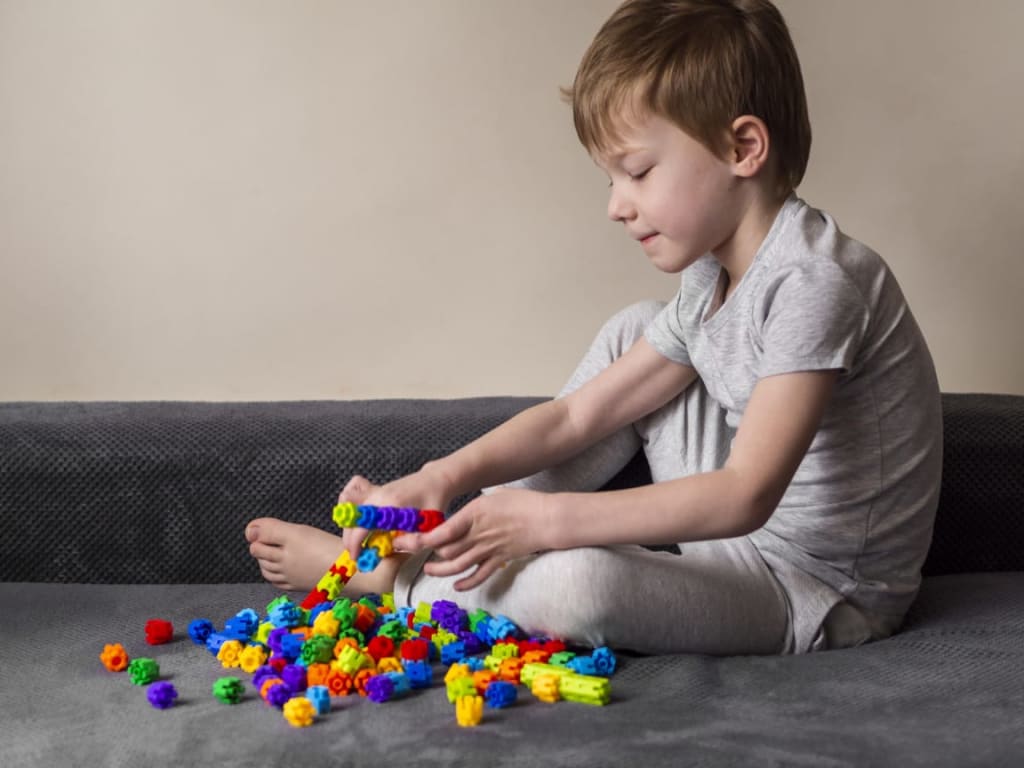
Everything You Need to Know About Autism Spectrum Disorder (ASD)
Autism, also known as Autism Spectrum Disorder (ASD), is a lifelong developmental neurological condition that typically appears in early childhood. It influences how a person thinks, communicates, interacts, and experiences the world around them. While it comes with certain challenges, it also presents unique strengths and perspectives. In this article, we'll explore in detail what autism is, its causes, symptoms, and the lives of individuals who live with it.
1. Causes of Autism
There is currently no single, clear cause of autism. Instead, research suggests that a combination of factors contributes to its development. These include:
Genetic Factors: Autism tends to run in families. Specific genetic mutations or changes—either inherited or occurring spontaneously—can increase the likelihood of a child being diagnosed with ASD.
Environmental Factors: Prenatal exposure to certain chemicals, air pollutants, or infections during pregnancy may raise the risk. Though these factors don’t directly cause autism, they might influence brain development.
Neurological Factors: Studies have shown differences in brain structure and connectivity in individuals with autism. Certain areas of the brain may develop or function differently, affecting communication and behavior.
2. Common Symptoms
Autism is a spectrum, meaning symptoms vary widely from person to person. However, some common signs include:
Communication Challenges: Delayed speech, repetitive language, or using unusual gestures instead of words.
Behavioral Patterns: Repetitive behaviors, strong attachment to routines, or deep interest in specific subjects.
Social Difficulties: Avoiding eye contact, struggling with empathy, or finding it difficult to form friendships or engage in typical social interactions.
3. Positive Traits of People with Autism
While challenges exist, individuals with autism often have admirable traits that should be recognized and celebrated:
Exceptional Focus: Many autistic people have a high level of concentration, especially on tasks or topics they enjoy. This can lead to exceptional abilities in fields like mathematics, art, music, or computer science.
Excellent Memory: Some individuals possess outstanding memory for facts, routines, numbers, or visual patterns.
Sincerity and Honesty: People with autism are often described as being genuine, direct, and honest. They tend to say exactly what they mean and avoid manipulation or deceit.
4. Challenges Faced
Living with autism can come with hurdles, particularly in a society that may not always accommodate differences:
Social Isolation: Difficulty in making connections may lead to loneliness or feeling misunderstood.
Educational Barriers: Some children need specialized teaching strategies tailored to their individual needs and learning styles.
Parental and Family Pressure: Families may face emotional, financial, and practical challenges in ensuring their child gets proper care, therapy, and support.
Workplace Challenges: Adapting to workplace environments, dealing with communication expectations, or navigating social dynamics at work can be difficult, leading to higher unemployment rates.
5.Diagnosis and early intervention
Identifying autism early can make a significant difference. Early diagnosis allows for timely support and therapy, which can improve communication, behavior, and learning outcomes.
Behavioral Therapy: Structured programs help build communication, social, and behavioral skills.
Occupational Therapy: Supports the development of daily life skills, sensory processing, and motor coordination.
Speech Therapy: Aids in improving verbal communication and understanding language.
Family Involvement: One of the most crucial factors for success is the support of family members, who play a key role in the child’s growth and emotional well-being.
Conclusion
Autism Spectrum Disorder is not a disease—it’s a different way of experiencing the world. Understanding and acceptance are vital. Every person with autism is unique, and when we create inclusive environments, we allow everyone to thrive. By raising awareness and supporting neurodiversity, we can build a society that embraces all individuals for who they are.
Creating awareness is not just about sharing facts—it's about changing perspectives. Schools, workplaces, and communities play an essential role in ensuring that people with autism are included, respected, and given the opportunities they deserve. Education and empathy can break down stereotypes and misconceptions, allowing for deeper connections and better support systems.
As autism becomes better understood, more tools and resources are being developed to help individuals on the spectrum lead fulfilling lives. Whether through therapy, education, or community involvement, support can make a tremendous difference.
Now it's your turn:
Have you ever met or interacted with someone on the autism spectrum? What did you learn from the experience? Share your thoughts and help spread awareness.
About the Creator
Keep reading
More stories from Walid Salah and writers in Psyche and other communities.
Will artificial intelligence replace humanity in the future?
Artificial Intelligence In recent years, the world has witnessed numerous technological developments and entered an era of unprecedented rapid progress. Among the most significant and transformative innovations is artificial intelligence (AI), which has emerged as one of the most visible and impactful advancements in modern science and technology. AI has deeply influenced various aspects of life, from our daily routines to the most advanced fields of industry and research. In this article, we will explore everything related to artificial intelligence in more detail. But first, let us begin by understanding what artificial intelligence truly is.
By Walid Salah9 months ago in Journal
Miss Persephone's Manual to a Seemingly Ordinary Life
Miss Persephone was found at the dining table, her blue eyes swollen, her tears arriving and retreating like the tides of the ocean. Earlier that day, her family had visited her in the retirement home where she had lived for eight years. It was her eightieth birthday.
By Imola Tóth4 days ago in Fiction



Comments (1)
The article will please you 😊😊