
Deadly Hantavirus: Symptoms, Spread & How to Stay Safe
Learn about hantavirus symptoms, transmission, and prevention. Stay informed and protect yourself from this rare but deadly virus.

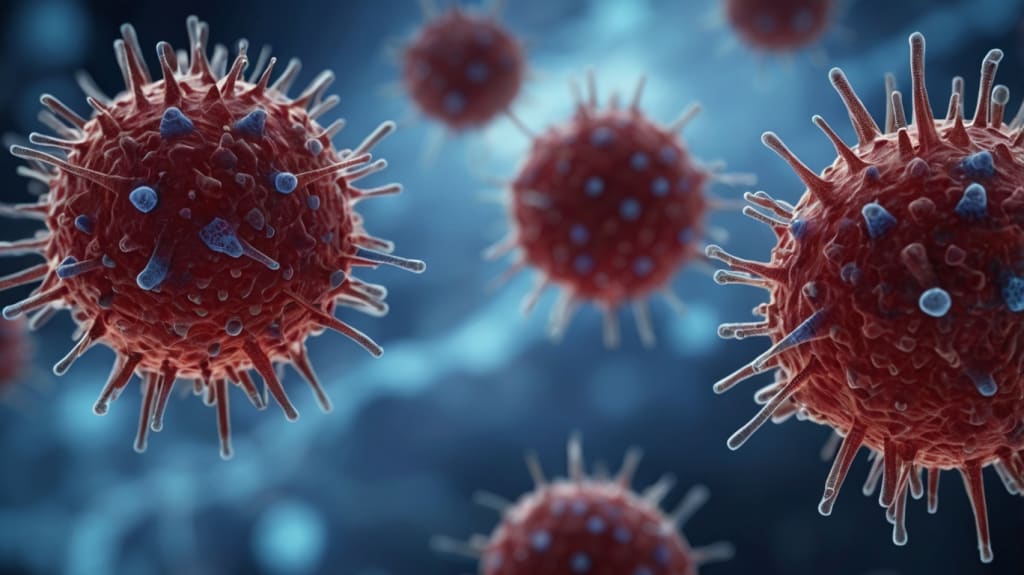
Understanding Hantavirus: Symptoms, Transmission, and Prevention
Hantavirus has recently gained attention following the tragic death of Betsy Arakawa, the wife of legendary actor Gene Hackman. Arakawa’s death from hantavirus pulmonary syndrome (HPS) has sparked widespread concern and curiosity about this rare but deadly virus. Although hantavirus infections are uncommon, the severity of the disease and the lack of direct treatment make it a significant public health issue. This article explores the nature of hantavirus, how it spreads, its symptoms, and the essential steps to prevent infection.
What is Hantavirus?
Hantavirus is a family of viruses primarily spread by rodents, particularly deer mice. The virus can cause a severe and sometimes fatal respiratory disease known as hantavirus pulmonary syndrome (HPS). The first confirmed outbreak of hantavirus in the United States occurred in 1993 in the Four Corners region, where Arizona, New Mexico, Colorado, and Utah meet. Since then, sporadic cases have been reported, mostly in rural areas with high rodent activity.
Unlike some other viruses, hantavirus is not transmitted from person to person. Instead, people become infected by inhaling aerosolized particles from rodent urine, droppings, or saliva. Direct contact with contaminated surfaces or being bitten by an infected rodent can also result in infection, though these cases are rare.
How Hantavirus is Transmitted?
The primary route of hantavirus transmission is through exposure to contaminated rodent waste. When rodent urine or droppings dry, the virus can become airborne, making it easy to inhale the infectious particles. Activities that disturb rodent nests or droppings, such as cleaning barns, sheds, or attics, increase the risk of exposure.
Rodents carrying the hantavirus typically live in rural areas, especially in forests, fields, and farms. However, they can also invade homes, garages, and storage spaces. The most common rodents known to carry hantavirus in North America are deer mice, white-footed mice, rice rats, and cotton rats.
It’s important to note that hantavirus is not spread through casual contact, coughing, or sneezing. Therefore, human-to-human transmission is highly unlikely, which differentiates it from other viral infections like the flu or COVID-19.
Symptoms of Hantavirus Infection
Hantavirus symptoms can develop one to eight weeks after exposure to the virus. The early signs of infection are often nonspecific and resemble flu-like symptoms, which can make early diagnosis difficult.
- Fever
- Fatigue
- Muscle aches (especially in the thighs, hips, and back)
- Headaches
- Dizziness
- Chills
- Nausea, vomiting, and diarrhea
- Progressive Symptoms
Early Symptoms
- If left untreated, hantavirus infection can rapidly progress to severe respiratory distress. The hallmark of hantavirus pulmonary syndrome is the sudden onset of difficulty breathing caused by fluid accumulation in the lungs. Other late-stage symptoms include:
- Severe coughing
- Shortness of breath
- Low blood pressure
- Rapid heartbeat
In severe cases, hantavirus can cause respiratory failure, which may lead to death. The mortality rate for hantavirus pulmonary syndrome is approximately 36%, highlighting the seriousness of the disease.
Why Hantavirus is Dangerous?
Hantavirus poses a significant threat due to the rapid progression of symptoms and the lack of a targeted antiviral treatment. The disease can escalate from mild flu-like symptoms to life-threatening respiratory distress within hours.
Medical intervention is primarily supportive, focusing on maintaining oxygen levels and blood pressure while the body fights the virus. Mechanical ventilation may be required in severe cases. Early hospitalization and supportive care can improve survival chances, but early diagnosis remains challenging due to the nonspecific nature of initial symptoms.
The death of Betsy Arakawa due to hantavirus underscores the importance of recognizing symptoms early and seeking immediate medical attention if hantavirus infection is suspected.
How to Prevent Hantavirus Infection?
Since there is no vaccine or specific treatment for hantavirus, prevention is the best defense against the virus. Reducing exposure to rodents and their droppings is the most effective way to prevent infection. Here are key steps to minimize the risk of hantavirus:
1. Seal Entry Points
Seal holes and gaps around doors, windows, and walls to prevent rodent entry.
Use steel wool, caulk, and metal flashing to close off small openings.
2. Maintain Cleanliness
Keep food in sealed containers and clean up food spills immediately.
Remove clutter and nesting materials from attics, basements, and storage areas.
Avoid leaving pet food or birdseed exposed, as they can attract rodents.
3. Handle Rodent Droppings Safely
Wear gloves and a mask when cleaning areas with suspected rodent activity.
Spray rodent droppings and nests with a disinfectant before cleaning.
Avoid vacuuming or sweeping droppings, as this can release the virus into the air.
4. Eliminate Rodent Habitats
Keep woodpiles, brush, and debris away from your home.
Mow grass and remove weeds to reduce hiding spots for rodents.
5. Use Traps and Rodent Control Methods
Set traps in areas where rodent activity is suspected.
Use bait stations and rodenticides cautiously, following manufacturer guidelines.
Hantavirus Cases and Risk Factors
- Between 1993 and 2022, the Centers for Disease Control and Prevention (CDC) reported 864 cases of hantavirus pulmonary syndrome in the United States. Most cases occurred in rural areas, particularly in western states like New Mexico, Colorado, Arizona, and California.
- Risk factors for hantavirus infection include:
- Living in rural or wooded areas
- Cleaning or renovating old buildings
- Camping or hiking in areas with high rodent activity
Handling firewood or working in barns or sheds
Although hantavirus infections are rare, the high mortality rate underscores the importance of prevention and early detection.
What to Do if You Suspect Hantavirus Exposure?
If you experience symptoms consistent with hantavirus and have had recent exposure to rodent-contaminated areas, seek medical attention immediately. Early hospitalization and respiratory support can significantly improve the chances of recovery.
Healthcare providers may conduct blood tests to confirm hantavirus infection and assess lung function using chest X-rays and oxygen saturation levels. There is no specific antiviral treatment for hantavirus, but supportive care can help manage symptoms and reduce complications.
Conclusion
Hantavirus remains a rare but dangerous disease with potentially life-threatening complications. The tragic death of Betsy Arakawa has drawn public attention to the risks associated with rodent-borne viruses. Understanding how hantavirus spreads, recognizing early symptoms, and taking proactive measures to prevent rodent exposure are essential steps in protecting yourself and your family from infection.
About the Creator
Madi Speaks
Welcome to My blog channel where i (Madi Speaks) post daily trending content.
Discover engaging content on motivation, success, lifestyle, and trends. Stay inspired, informed, and curious as we explore stories that matter!
Keep reading
More stories from Madi Speaks and writers in Psyche and other communities.
Empowering Women: Women’s Day 2025 and the Road Ahead
Women’s Day 2025: Celebrating Progress and Accelerating Action International Women’s Day (IWD) 2025, observed on March 8, is more than just a celebration — it’s a global call to action for advancing women's rights and promoting gender equality. This year’s theme, "Accelerate Action," underscores the urgency to tackle persistent challenges while building on the progress made over the decades. As women around the world continue to break barriers in politics, business, sports, and society, Women’s Day 2025 serves as a reminder that while milestones have been achieved, there’s still a long road ahead toward true equality.
By Madi Speaksabout a year ago in Viva
Top tipple tricks
Been thinking a lot about drinking, lately. Not least because of a recent episode of over-indulgence and the inevitable after effects. Some readers may recall the earlier articles I wrote about beating the booze. Here I set out an experiment in techniques for cutting down on my alcohol intake. The experiment was successful, the techniques worked, and I have armed myself with an arsenal of weapons in the war against the demon drink. I have yet to fire the first round however. It's all a question of timing (perhaps procrastination).
By Raymond G. Taylor5 days ago in Psyche
How to Get Cocaine Out of Your System Safely and Effectively
Cocaine is a powerful stimulant drug that can have serious effects on both the body and mind. While some individuals may initially use cocaine for its short-term feelings of energy or euphoria, repeated use can quickly lead to dependence and addiction. Over time, cocaine can impact physical health, emotional stability, and overall well-being.
By Jordan Blakea day ago in Psyche




Comments
There are no comments for this story
Be the first to respond and start the conversation.