
How to Get Cocaine Out of Your System Safely and Effectively
Cocaine Out of Your System

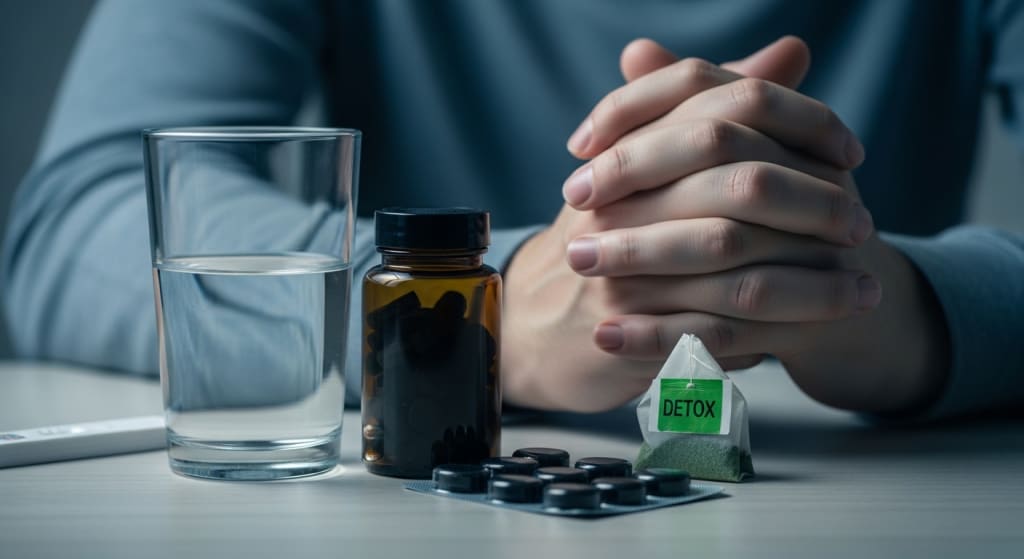
Cocaine is a powerful stimulant drug that can have serious effects on both the body and mind. While some individuals may initially use cocaine for its short-term feelings of energy or euphoria, repeated use can quickly lead to dependence and addiction. Over time, cocaine can impact physical health, emotional stability, and overall well-being.
When someone decides to stop using cocaine, a common concern is how long the drug stays in the body and what steps can help support the detox process. While the body naturally eliminates cocaine over time, safe and effective recovery often requires professional guidance and support. Understanding how to get cocaine out of your system can help individuals make informed decisions about treatment and recovery.
Understanding How Cocaine Affects the Body
Cocaine works by increasing dopamine levels in the brain, creating intense feelings of pleasure and stimulation. However, these effects are short-lived, which often leads to repeated use in order to maintain the high.
Over time, cocaine use can interfere with the brain’s natural reward system. This can make it difficult for individuals to feel pleasure without the drug and may contribute to dependence.
Cocaine can also affect several areas of the body, including the heart, nervous system, and respiratory system. Long-term use may lead to complications such as cardiovascular issues, anxiety, depression, and cognitive difficulties.
Because of these risks, stopping cocaine use and allowing the body to detox is an important step toward recovery.
How Long Cocaine Stays in the Body
The body processes and eliminates cocaine through the liver and kidneys. While the immediate effects of cocaine usually last less than an hour, the drug can remain detectable in the body for a longer period.
Several factors influence how long cocaine stays in the system, including:
- Frequency of drug use
- Dosage and method of use
- Individual metabolism
- Overall health and hydration levels
- Body composition
In general, cocaine can be detected in blood for about a day, in urine for several days, and in hair for a much longer period. However, these timelines can vary depending on individual circumstances.
The Role of Detox in Cocaine Recovery
Detoxification is the process through which the body eliminates drugs and toxins. When someone stops using cocaine, the body begins to restore its natural balance.
Although cocaine withdrawal is usually not life-threatening, it can cause uncomfortable symptoms such as fatigue, irritability, depression, and strong cravings. These symptoms may make it difficult for individuals to stop using without professional support.
Medical detox programs provide supervision and care during this stage of recovery. Healthcare professionals monitor symptoms, provide emotional support, and ensure that individuals detox safely.
Detox is an important first step, but long-term recovery also requires addressing the psychological aspects of addiction.
Why Professional Treatment Is Important
Many individuals try to stop using cocaine on their own, but professional treatment programs can significantly improve the chances of long-term success. Addiction often involves complex psychological and behavioral factors that require structured treatment.
Professional treatment programs provide therapy, education, and recovery strategies that help individuals understand the root causes of substance use.
According to the Substance Abuse and Mental Health Services Administration (SAMHSA), treatment programs that combine medical support with behavioral therapies are among the most effective approaches for substance use recovery.
These programs focus not only on detox but also on building healthy habits that support lasting sobriety.
Evidence-Based Therapies for Recovery
Effective cocaine addiction treatment programs rely on evidence-based therapies that address the mental and emotional components of addiction.
Some commonly used therapies include:
- Cognitive Behavioral Therapy (CBT)
- Dialectical Behavior Therapy (DBT)
- Individual counseling
- Group therapy and peer support
These therapies help individuals identify triggers, manage cravings, and develop healthier ways to cope with stress.
Through therapy, individuals also learn how to rebuild relationships, improve emotional resilience, and maintain long-term recovery.
Lifestyle Changes That Support Recovery
In addition to professional treatment, certain lifestyle changes can support the body’s natural recovery process. Healthy habits can help restore physical health and improve emotional well-being.
Some helpful lifestyle practices include:
- Maintaining a balanced diet
- Staying hydrated
- Getting regular exercise
- Practicing stress management techniques
- Establishing consistent sleep routines
While these habits cannot instantly remove cocaine from the body, they can support the body’s healing process and improve overall health during recovery.
The Importance of Emotional Support
Recovery from cocaine addiction is not only a physical process but also an emotional one. Many individuals benefit from strong support systems during their recovery journey.
Support may come from family members, friends, therapists, or recovery groups. Sharing experiences with others who understand addiction can provide encouragement and motivation.
Group therapy and peer support programs are especially helpful because they allow individuals to connect with others facing similar challenges.
These supportive environments can reduce feelings of isolation and strengthen commitment to recovery.
Preventing Relapse After Detox
Completing detox is a major step toward recovery, but it is only the beginning. Without continued support, individuals may struggle with cravings and emotional triggers that could lead to relapse.
Relapse prevention strategies often include ongoing therapy, lifestyle changes, and participation in recovery programs. Treatment teams may also help individuals identify triggers and develop coping strategies for difficult situations.
By continuing treatment and building healthy routines, individuals can strengthen their recovery and reduce the risk of returning to substance use.
Moving Toward a Healthier Future
Stopping cocaine use is a powerful decision that can lead to improved physical health, emotional stability, and overall quality of life. While the body naturally eliminates cocaine over time, recovery involves more than simply detoxing.
Professional treatment, therapy, and supportive environments help individuals develop the skills needed to maintain long-term sobriety. With the right resources and support, individuals can rebuild their lives and move toward a healthier and more fulfilling future.
Recovery is a journey, but each step toward healing creates new opportunities for growth and positive change.
Final Thoughts
Getting cocaine out of the system safely involves more than waiting for the body to detox. Professional treatment, therapy, and supportive recovery programs can help individuals manage withdrawal symptoms and address the deeper causes of addiction.
With the right guidance and commitment to recovery, individuals can regain control of their health, build stronger coping skills, and create a foundation for long-term wellness and lasting change.
Frequently Asked Questions
How long does cocaine stay in your system?
Cocaine typically remains detectable in blood for about 24 hours and in urine for several days, though this can vary depending on individual factors.
Can you detox from cocaine at home?
Some individuals attempt detox at home, but professional supervision is recommended to manage withdrawal symptoms safely.
What are common cocaine withdrawal symptoms?
Withdrawal symptoms may include fatigue, depression, irritability, anxiety, and strong drug cravings.
What treatments help cocaine addiction recovery?
Therapies such as Cognitive Behavioral Therapy, Dialectical Behavior Therapy, and support groups are commonly used in recovery programs.
Why is professional treatment recommended?
Professional treatment provides structured care, therapy, and medical support that improve the chances of long-term recovery.
About the Creator
Jordan Blake
Jordan Blake is a medical content writer focused on mental health and addiction recovery, delivering research-driven, reader-friendly healthcare content.
Keep reading
More stories from Jordan Blake and writers in Psyche and other communities.
Why Inpatient Mental Health Rehab in Wilmington NC Is Effective
Mental health challenges can affect many areas of life, including relationships, work performance, and emotional well-being. When symptoms become severe or difficult to manage, traditional outpatient therapy may not provide the level of support some individuals need. In these situations, inpatient mental health rehabilitation programs can offer a structured and supportive environment for recovery.
By Jordan Blakeabout 7 hours ago in Psyche




Comments
There are no comments for this story
Be the first to respond and start the conversation.