
Daring Greatly: Lessons from the Arena of Mental Health Battle
Man From the Arena

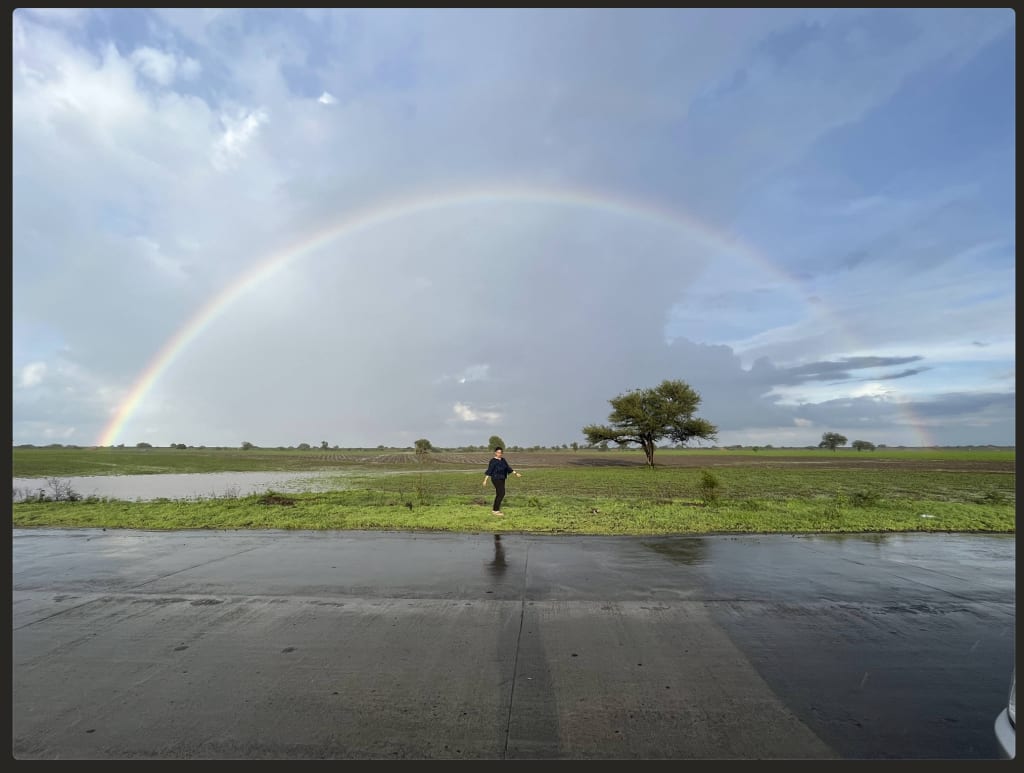
I’m sitting in a room after resigning from my dream job. Reading Daring Greatly by Brene Brown where I found this speech. This is Roosevelt’s famous speech about the man in the arena that I first heard from Brene Brown. Today it felt like he is directly talking to me.
“It is not the critic who counts; not the man who points out how the strong man stumbles, or where the doer of deeds could have done them better. The credit belongs to the man who is actually in the arena, whose face is marred by dust and sweat and blood; who strives valiantly; who errs, who comes short again and again because there is no effort without error and shortcoming; but who does actually strive to do the deeds; who knows great enthusiasms, the great devotions; who spends himself in a worthy cause; who at the best knows in the end the triumph of high achievement, and who at the worst, if he fails, at least fails while daring greatly so that his place shall never be with those cold and timid souls who neither know victory nor defeat.” Or empathy.
I’ve written seven personal challenges I’ve faced during my depression. Writing about my struggles and sharing them publicly on social media was difficult, but I believe in the power of vulnerability and sharing. I wanted to see if I could help at least one person. My gut feeling was right - many connected with my experiences, and some friends and colleagues reached out about their struggles. I’ve always encouraged them to seek professional help, such as psychiatric consultations, therapy, or other appropriate support.
There's still a stigma around seeking help for mental health issues. People often ask, "Can't I deal with this on my own?" or "Are medications necessary?" While I can provide basic medical information, I'm not a mental health professional. I always encourage everyone to seek help from qualified experts.
Since I can't help those unwilling to seek treatment, I decided to write about the strategies and approaches that helped me overcome my own depression.
I was diagnosed with major, treatment-resistant depression with anxiety, and my psychiatrist said I had minor depression since I was 10 years old. It started mild but worsened until a tipping point. It took two years to start to recover, feel "normal" again, to no longer have suicidal thoughts, and experience happiness. That decade-long struggle made me feel like I hadn't lived my life to the fullest.
Even now, in recovery, I'm dealing with lingering depression effects. I've joined and left a dream job due to anxiety. I've tried and failed repeatedly. But I know I've come a long way. It's been months since my last suicidal thought, and I can enjoy normal conversations with friends and activities like movies, dining, and shopping. They don't feel like chores. Although I'm not ready for a full-time job, I recently worked a 6-hour shift, which felt like a major victory - like winning a second chance at life.
That made me realize I need to write things that helped me in my darkest phase. So those in depression, or who know someone, will know they’re not alone and that it’s possible to escape that pit.
With a medical background, I gained a deeper understanding of depression's causes and mechanisms. This knowledge helped me understand my condition and inspired me to explore approaches beyond medication and traditional therapy. I'll share personal experiences that aided my recovery, along with scientific evidence to support these, hoping to benefit others facing similar challenges.
The stigma around seeking treatment is unfortunate, but your well-being is too important. Don't hesitate to reach out for support. Before sharing my strategies, I want to issue an important disclaimer: This is not a blog written by a medical expert. It's my personal experience and perspective, informed by my background. If you're struggling with mental health challenges and have doubts that something is wrong, I urge you to find the courage to see a professional.
It's a common misconception that sadness or low mood is always tied to a specific life event. But underlying depression can manifest in ways that may not be obvious decreasing our quality of life. I made that mistake, assuming my feelings were a normal response to my challenges. It's important to let a qualified professional assess whether you're experiencing typical sadness, grief, anxiety, or something more serious that requires treatment.
The price of suffering in silence is greater than the effort to seek help. I know it can be daunting, but. It may be the most important thing you do for your well-being. It was a game-changer for me, and I believe it will be for you.
In the following sections, I'll share the strategies and approaches that aided my recovery. I'll be honest about my mistakes and successes, covering a broad range of areas:
Reaching out to family and friends for support
Exploring medication and therapy
Engaging in activities like reading, exercise, and creative pursuits
Adjusting my diet and lifestyle
I'll detail how these elements helped me stay grounded, cope with my symptoms, and avoid falling back into depression. I hope to offer a menu of options for others struggling in the darkness.
Reflecting on my journey, I'm reminded of the Roosevelt speech that opened this piece - the "man in the arena" who strives valiantly, despite failure and shortcoming. That sentiment resonates deeply with me, because I know the challenges of being in that arena.
During my depression, plagued by suicidal thoughts, I experienced the full spectrum of human reactions. I was dismissed, made fun of, and called names like "drama person" or "mentally unstable." The stigma and lack of understanding made me feel small and ashamed.
I received immense compassion and support. Loved ones cared for me like a newborn, coming to my aid at night to help me sleep. Colleagues took on extra shifts so I could focus on my recovery. In those darkest moments, I learned the true meaning of unconditional love and the power of a strong support system.
Despite the pain and setbacks, I persevered. While I stumbled and fell short at times, I refused to give up. I was determined to keep striving and daring greatly - because my place was never with those "cold and timid souls" who never experience the struggle let alone the triumph of overcoming great adversity.
Yes, people are looking down at me because they aren’t in the Arena. They haven’t suffered or have the empathy to understand. This blog isn’t for them. It’s for those suffering to get up every day and make it through. Those who rise again to face the same demons and try again. Even if we fail, we fail daring greatly.
About the Creator
Smita
After enduring the depths of depression, I can now say with conviction: “I am not a depressed person. I have depression—it's a disease, not a choice, and it does not define me."
Not All Fear Is Real
The first breath of dawn is a quiet thing, as though the world itself is holding its breath, waiting to exhale. But for Nadia, the morning air felt like a sharp slap against her skin, cold and biting. Her fingers trembled as she clutched the edge of her jacket, the wind tugging at her hair. She stood on the edge of the cliff, her gaze cast over the valley below, the dark outline of the forest stretching far into the horizon. The shadows of night still clung to the trees, but the first threads of daylight were beginning to seep through, spilling gold onto the earth.
By Jhon smitha day ago in Psyche



Comments
There are no comments for this story
Be the first to respond and start the conversation.