
Coping with Narcissism
Modern Psychological Insights into Narcissism

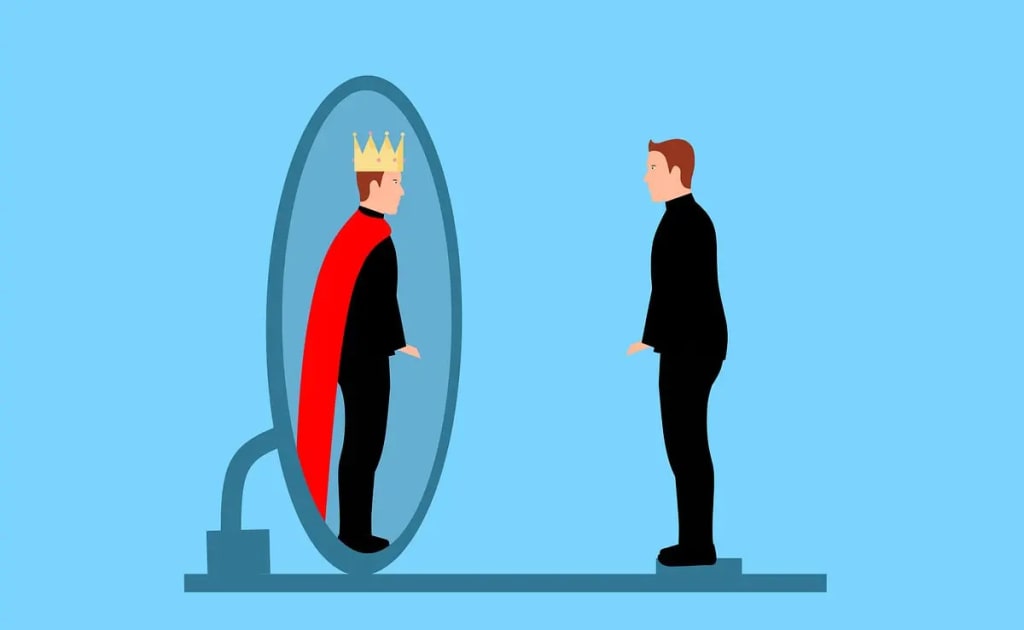
Long before the advent of selfies, the ancient Greeks and Romans had a myth about someone excessively obsessed with his own image. This myth was about Narcissus, a handsome young man who wandered the world in search of someone to love. After rejecting a nymph named Echo, Narcissus caught a glimpse of his own reflection in a river and fell in love with it. Unable to tear himself away from his reflection, he eventually drowned. A flower, which we now call the narcissus, marked the spot where he died. This myth captures the essence of narcissism: elevated and sometimes detrimental self-involvement.
In contemporary psychology, narcissism isn't just a personality type that appears in advice columns; it's a set of traits that psychologists have classified and studied. The psychological definition of narcissism is an inflated, grandiose self-image. To varying degrees, narcissists think they're better looking, smarter, and more important than others, and believe they deserve special treatment. Psychologists recognize two forms of narcissism as personality traits: grandiose and vulnerable narcissism. There is also a more extreme form called narcissistic personality disorder, which we'll discuss shortly.
Grandiose narcissism is the most familiar type, characterized by extroversion, dominance, and attention-seeking. Grandiose narcissists pursue attention and power, sometimes becoming politicians, celebrities, or cultural leaders. Of course, not everyone who seeks positions of power is narcissistic; many do so for positive reasons, such as reaching their full potential or helping improve others' lives. However, narcissistic individuals seek power for the status and attention it brings. They are often charming and charismatic, using these traits to manipulate others and achieve their goals.
On the other hand, vulnerable narcissists can be quiet and reserved. They have a strong sense of entitlement but are easily threatened or slighted. Unlike grandiose narcissists, they might not seek the spotlight, but they still crave admiration and validation. In both cases, the dark side of narcissism manifests over the long term. Narcissists tend to act selfishly, leading narcissistic leaders to make risky or unethical decisions and narcissistic partners to be dishonest or unfaithful. When their idealized self-image is challenged, they can become resentful and aggressive. It’s like a disease where the sufferers feel pretty good, but those around them suffer.
In extreme cases, this behavior is classified as narcissistic personality disorder (NPD), affecting 1-2% of the population, more commonly men. NPD is a diagnosis reserved for adults, as young people, especially children, can exhibit self-centeredness as a normal part of development. The fifth edition of the American Psychiatric Association's Diagnostic and Statistical Manual (DSM-5) describes several traits associated with NPD, including a grandiose view of oneself, problems with empathy, a sense of entitlement, and a need for admiration or attention. These traits become a true personality disorder when they dominate people's lives and cause significant problems. Imagine using your spouse or children solely as sources of attention or admiration, or rejecting constructive feedback by telling everyone they're wrong.
So what causes narcissism? Twin studies indicate a strong genetic component, although the specific genes involved remain unknown. However, environment also plays a crucial role. Parents who place their child on a pedestal can foster grandiose narcissism, while cold, controlling parents can contribute to vulnerable narcissism. Additionally, narcissism tends to be higher in cultures that value individuality and self-promotion. In the United States, narcissism as a personality trait has been rising since the 1970s, when the communal focus of the 60s gave way to the self-esteem movement and increased materialism. More recently, social media has multiplied opportunities for self-promotion, though there's no clear evidence that social media causes narcissism. Instead, it provides narcissists a platform to seek social status and attention.
Can narcissists improve these negative traits? Yes, they can! Anything that encourages honest self-reflection and care for others, such as psychotherapy or practicing compassion, can be helpful. However, it can be challenging for people with narcissistic personality disorder to consistently work on self-improvement. For a narcissist, self-reflection is difficult from an unflattering angle.
In conclusion, the myth of Narcissus offers an early glimpse into the traits that define narcissism, a concept now well-studied in psychology. Whether grandiose or vulnerable, narcissists share a common thread of self-importance and a need for admiration, often to the detriment of those around them. Understanding the roots and manifestations of narcissism can help in developing strategies for managing and mitigating its more harmful effects, fostering healthier relationships and communities.
About the Creator
Horace Wasland
Research analyst, writer & mystical healer. Exploring the edge where science meets mystery. From mystery/the mystical, to facts, news & psychology. Follow for weekly insights on all four and please leave a tip if you like what you read :)
Reader insights
Nice work
Very well written. Keep up the good work!
Top insight
On-point and relevant
Writing reflected the title & theme
Keep reading
More stories from Horace Wasland and writers in Psyche and other communities.
Become Irresistibly Attractive
Social interactions can sometimes feel like a high-stakes performance. Whether you’re at a party, on a date, or navigating the workplace, the pressure to be engaging and charismatic can be overwhelming. You might find yourself stuck in your own head, questioning if people like you or wondering how others seem so effortlessly charming. But what if you could transform your social skills and make a lasting impression in just 10 minutes? Dale Carnegie’s timeless advice, from his nearly century-old book, offers practical tips that can instantly enhance your social interactions and make you more attractive to others. Here’s a deep dive into four effective strategies:
By Horace Wasland2 years ago in Psyche
Early March 2026: 4 Goals Accomplished
It's early March and I've now accomplished my 4th writing goal for the year of 2026. Before diving into the behind-the-scenes of it... why not tell you up front what that accomplishment was? I was published in a 2nd publication for this year. Published in Helix Literary Magazine out of Central Connecticut State University. You can read it for free right now!
By Stephen Kramer Avitabilea day ago in Writers



Comments (1)
Awesome and interesting