
Causes of Anxiety
Understanding Anxiety: Causes, Triggers, and Paths to Relief

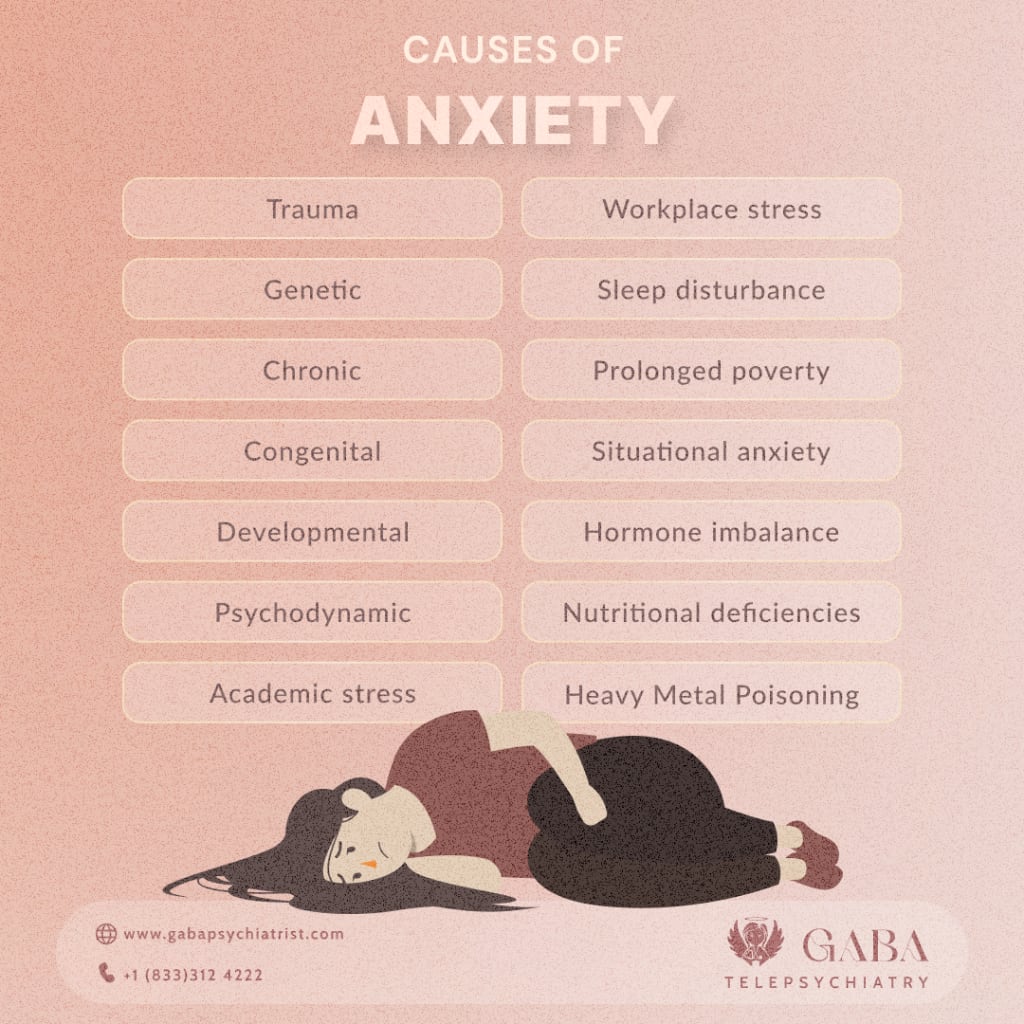
Anxiety is a common mental health condition that can stem from various factors, including stress, trauma, genetics, health issues, and life changes. It affects daily life, making even simple tasks feel overwhelming.
The American Psychological Association (APA) defines anxiety as "an emotion characterized by feelings of tension, worried thoughts, and physical changes like increased blood pressure."
Anxiety often results from a complex mix of brain chemistry, past experiences, and environmental stressors. Many individuals who seek treatment for anxiety report that they have always felt anxious to some degree, but a recent event or stressor has made their symptoms unmanageable. Identifying the root causes of anxiety can be an essential first step in managing or preventing it.
Anxiety can arise from one or multiple factors, and understanding these triggers can help individuals develop coping strategies. Here are some of the most common causes:
- No Clear Cause (Congenital or Idiopathic): Some individuals develop anxiety without an obvious reason. Their symptoms may appear suddenly or gradually over time without a clear triggering event.
- Genetics: A family history of anxiety or other mental health conditions can increase the likelihood of developing anxiety. Genetic predisposition can influence brain chemistry and stress responses.
- Childhood and Development: Early life experiences, including attachment styles and upbringing, shape how a person processes stress. A lack of emotional support or an overly strict environment can contribute to anxiety later in life.
- Trauma: Experiencing physical, emotional, or sexual abuse, assault, or significant loss can lead to persistent anxiety. Trauma can alter brain function, making individuals more prone to heightened stress responses.
- Medical Conditions: Chronic illnesses such as anemia, thyroid disorders, heart disease, and chronic pain conditions can contribute to anxiety. The physical symptoms of these conditions can mimic or exacerbate anxiety symptoms.
- Long-Term Financial Stress: Struggling with financial insecurity, including difficulties in affording basic needs like food and shelter, can cause ongoing anxiety and stress.
- Relationships and Communication Issues: Unhealthy relationship dynamics, such as codependency, emotional abuse, or difficulty expressing emotions, can increase anxiety. Fear of confrontation or abandonment may also contribute to persistent worry.
- Academic Pressure: School-related stress, particularly for individuals with undiagnosed conditions like ADHD, can make academic performance feel overwhelming, leading to anxiety.
- Hormonal Imbalances: Fluctuations in hormones due to pregnancy, postpartum changes, menopause, polycystic ovary syndrome (PCOS), or thyroid disorders can influence mood and anxiety levels.
- Sleep Problems: Conditions like insomnia, sleep apnea, and narcolepsy can worsen anxiety symptoms. Poor sleep affects brain function and emotional regulation, making it harder to manage stress.
- Life Changes: Major transitions, such as moving to a new city, financial instability, divorce, or caring for a sick family member, can be stressful and contribute to anxiety.
- Workplace Stress: High-pressure jobs, toxic work environments, unrealistic expectations, and job insecurity can lead to chronic stress and anxiety.
- Nutrient Deficiencies: Deficiencies in essential vitamins and minerals, including magnesium, vitamin B12, and omega-3 fatty acids, can negatively impact brain function and mood.
- Toxic Exposure: Exposure to environmental toxins, such as heavy metals and air pollutants, has been linked to an increased risk of mental health issues, including anxiety.
Since anxiety often results from multiple overlapping causes, effective treatment may require a combination of lifestyle changes, therapy, and medical support. Identifying the sources of anxiety allows individuals to develop targeted coping strategies, whether through mindfulness techniques, medication, or changes in daily habits.
Understanding anxiety’s origins helps individuals take proactive steps toward managing their symptoms. Seeking professional help, practicing self-care, and addressing underlying health concerns can all contribute to long-term well-being. Anxiety may be a challenge, but with the right tools and support, individuals can work toward reducing its impact on their lives.
To learn more about anxiety and its treatment, visit our page or call +1(833)312-4222 to book your first session.
About the Creator
Gaba Telepsychiatry
GABA Telepsychiatry is a unique practice, where our online psychiatrist will offer the closest possible approximation to traditional psychiatric services in a convenient online format.
Keep reading
More stories from Gaba Telepsychiatry and writers in Psyche and other communities.
Effects of Parental Alienation Syndrome
Parental alienation is the intentional attempt by one parent to weaken the bond between their child and the other parent. This can significantly impact both the parents and the child and typically occurs during challenging divorces or separations.
By Gaba Telepsychiatryabout a year ago in Psyche
The BAFTA Awards
By now, in a stunning departure from recent years, most of the world is aware of what happened at the BAFTA film awards. Social Media Headlines will tell you the bare bones: that John Davidson, a Tourette's Syndrome advocate, shouted a racial slur at two Actors of Colour, Michael B Jordan and Delroy Lindo.
By Natasja Rose7 days ago in Psyche
Early March 2026: 4 Goals Accomplished
It's early March and I've now accomplished my 4th writing goal for the year of 2026. Before diving into the behind-the-scenes of it... why not tell you up front what that accomplishment was? I was published in a 2nd publication for this year. Published in Helix Literary Magazine out of Central Connecticut State University. You can read it for free right now!
By Stephen Kramer Avitabile5 days ago in Writers



Comments
There are no comments for this story
Be the first to respond and start the conversation.