
Can Anxiety Cause Bad Dreams?
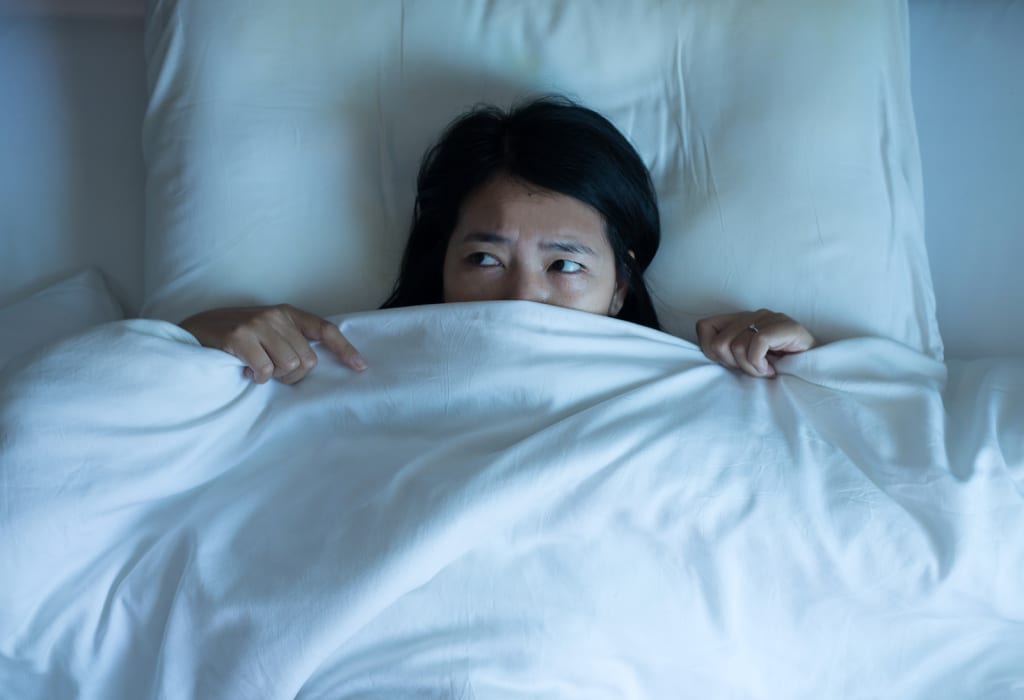
Like a vicious circle, teen anxiety can cause sleep disturbances, such as bad dreams and more.

By Arastou Aminzadeh, Founder, BNI Treatment Centers
Like a vicious circle, teen anxiety can cause sleep disturbances, such as bad dreams, which leave them feeling sleep deprived—and that only exacerbates the anxiety the next day. Because getting quality sleep is so central to adolescent wellbeing, getting to the bottom of the stress or anxiety causing the sleep disturbance should be the primary focus.
About Teen Anxiety Disorder
The teen years are a stressful chapter of life. Teens are under ever-increasing pressure, with heavy academic workloads and multiple extracurricular activities. While some teens have good time management skills and well-developed coping mechanisms, some will have a difficult time. Those who struggle may find themselves overwhelmed, which can result in anxiety.
School pressures are not the only source of teenage anxiety. Some teens may develop an anxiety disorder due to a variety of stressors. These might include:
- Struggling socially
- Being bullied
- Feeling pressure to do it all, and do it all perfectly
- History of abuse
- Covid-19 related anxiety
- Family issues, such as parents getting divorced
- Relocating or starting at a new school
- Death of a parent
Common Types of Teen Anxiety
An estimated 32% of teens between the ages of 13-18 experience some form of an anxiety disorder, according to the National Institute of Mental Health. The following are the more common types of anxiety disorders among adolescents:
Generalized Anxiety Disorder
Teens with generalized anxiety disorder struggle with excessive worry and fear in daily life. Symptoms include irritability, insomnia, sweating, racing heart, shallow breathing, and muscle tension. The teen will often have somatic symptoms, such as recurrent headaches, gastrointestinal distress, and fatigue.
Specific Phobia
Teens with an intense fear of an object or situation may be diagnosed with specific phobia. Teen phobias might be a fear of spiders, fear of certain animals, fear of public speaking, fear of heights, fear of germs, or fear of enclosed spaces. When they encounter the object of their fear they become intensely anxious. In order to avoid the encounter, the teen may begin to isolate.
Social Anxiety
At the core of adolescent social anxiety is a deep fear of rejection, especially by their peers. Teens that suffer with social anxiety are fearful of being judged harshly or publicly humiliated. This can hinder both their academic and athletic performance.
Panic Disorder
Teens that experience recurrent panic attacks often feel an overwhelming lack of control. This disorder can cause chest pain, shortness of breath, a racing heart, sweating, shaking, headache, nausea, and dizziness.
How Does Stress or Anxiety Cause Bad Dreams?
When someone struggles with anxiety they almost always have sleep issues. They may have trouble falling asleep or staying asleep. They may suffer from nightmares, night sweats, sleepwalking, or nighttime panic attacks. In other words, the anxiety seeps into the subconscious and adversely impacts the quality of sleep.
A teen may internalize the fears they live with on a daily basis. While they may manage to function fairly well, at least on the outside, when they fall asleep that fear and anxiety can percolate up and cause bad dreams. Anxiety dreams are common for adolescents who battle anxiety disorder. Their anxiety dream may involve some conflict or struggle that they are unable to manage. They experience intense frustration in the dream, which can cause them to awake in a highly agitated state.
What are Night Terrors?
Night terrors are usually seen in children and young adolescents. These are episodes that occur during the night during which the teen will wake up screaming, crying, or thrashing about in their bed. The child or teen seems terrified, and may experience a racing heart, sweating, and rapid breathing. These events emerge about 90-minutes into the sleep cycle and tend to recur again nightly over a period of time.
Trauma-Related Nightmares
Trauma is another underlying factor in sleep disturbances. Teens with a history of trauma or abuse may suffer from nightmares. Even though the teenager may be able to suppress memories of the traumatic event, the emotions related to it can emerge in the form of bad dreams or nightmares. They may dream about the actual trauma, or of something tangentially related to the trauma, such having a dream about the death of a parent.
How Teens Can Prevent Bad Dreams
There are multiple actions a teenager can take to help reduce the incidence of nightmares. All of these involve relaxation techniques and stress reduction before bedtime. Consider these tips for your teen:
- Avoid watching violent or scary movies late at night
- Avoid playing video games late at night
- Avoid loud music late at night
- Stick to a daily sleep schedule
- Get regular exercise during the day
- Create a relaxing bedtime routine, such as taking a warm bath
- Use aromatherapy with lavender, valerian, or bergamot, to help induce relaxation and aid sleep
- Sip chamomile tea prior to bedtime
- Avoid sugary treats before bed
- Avoid drugs and alcohol
Parents can help their teen to better manage their stress by remaining engaged with them. Ask them how things are going with their friends, about whether they need any academic support, if they need help prioritizing their tasks, or if they are feeling overwhelmed in general. Giving them a safe, nonjudgmental space to discuss their current mental state can yield important information that will allow you to help them.
Teen Anxiety Treatment
If the teen seems to be struggling with an anxiety disorder, it is probably impacting all areas of life, including their grades, relationships, and general health. One of the common symptoms of anxiety is sleep disturbance. If a parent suspects their teen is dealing with an anxiety disorder, make an appointment with the family physician to rule out a medical condition first.
If no health issue is identified, the teen will be referred to a mental health practitioner who can provide further guidance and support. Treatment will include talk therapy, holistic techniques, and possibly a teen support group. If outpatient care is not sufficient, a residential treatment program for teens can provide a more intensive treatment approach.
About the Author
Dr. Arastou Aminzadeh is a triple board certified physician in psychiatry, child and adolescent psychiatry, and addiction medicine, and is the co-founder of BNI Treatment Centers in Agoura Hills, California. Dr. Aminzadeh is a fellow of the American Society of Addiction Medicine and also a fellow of the American Psychiatric Association. A well respected leader in the field, he also holds an adjunct faculty position at the University of Southern California, Keck School of Medicine, where he completed his residency and fellowship.
About the Creator
Arastou Aminzadeh
BNI Treatment Centers for Teens is a comprehensive residential behavioral health treatment program for ages 12-17. BNI is dedicated to empowering teens struggling in various facets of their lives due to their specific conditions or issues.
Keep reading
More stories from writers in Psyche and other communities.
Phobia
Defining Specific Phobia Specific phobia can be defined as a continual fear that is constrained to a circumscribed stimulus either item or scenario (American Psychiatric Association, 2013). Without delay on exposure, the stimulus is prevented each time feasible or is persevered only with extreme anxiety happening. Besides, the intensity of fear commonly is extreme enough to exhibit interference in individuals functioning educationally, socially including family activities. Usually, the most normal reaction towards specific phobia would be flight or avoidance in terms of motor or known as behavioral system (Silverman & Moreno, 2005).
By Ng Teck Sen4 days ago in Psyche
Autonomy Is The Real Privilege
Good morning, freedom-seekers! Today we’re gonna be looking at autonomy. A strange word, I know; one many would probably look at blankly and run away from on sight. We’re gonna figure out what it actually means, consider how it’s achieved, and decipher just how deeply most of us are tangled up in dependence without realising it.
By That ‘Freedom’ Guy4 days ago in Humans




Comments
There are no comments for this story
Be the first to respond and start the conversation.